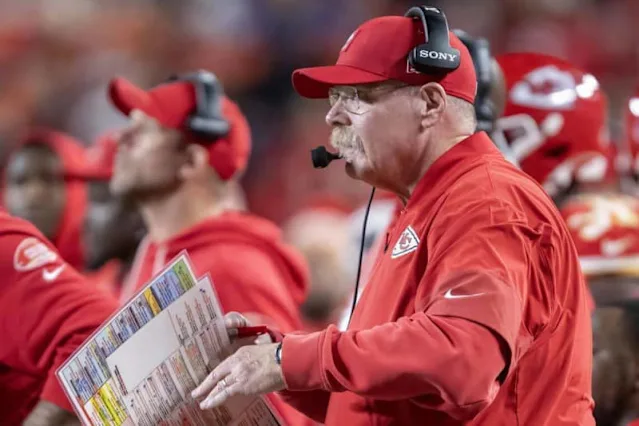
Andy Reid has built a Hall of Fame career on solving problems before they spiral. This offseason, however, he’s staring at one that refuses to make sense.
On paper, the Kansas City Chiefs’ defense improved in 2025. Fewer yards allowed per game. Better efficiency metrics.
A noticeable rise in pass-defense grades. Historically, that level of performance has been more than enough for Reid’s teams—especially with Patrick Mahomes capable of masking nearly any flaw.
This time, it wasn’t.
The Chiefs finished 6–11, missed the playoffs, and unraveled in ways the numbers alone can’t explain. That contradiction is what has pushed Reid into one of the most aggressive coaching overhauls of his tenure.
Defensively, the progress looked real. Kansas City trimmed its yards allowed from 320.6 per game in 2024 to 301.5 in 2025. Defensive EPA climbed from 15th to 12th. Coverage metrics improved. The structure appeared sound.
Yet when games tightened, the defense didn’t.
Turnovers never came. The Chiefs finished with just 14 takeaways and a -1 differential, tied for 26th in the NFL.
The pass rush failed to close, producing only 33 sacks across the season. And when Kansas City needed one stop—just one—the defense repeatedly came up empty.
Six of their early losses came by seven points or fewer. Third-and-long situations became breaking points rather than opportunities. Late drives flipped outcomes. Quietly, consistently, the same script played out.
The offense, once the ultimate safety net, couldn’t compensate.
Injuries piled up early and never stopped. Rashee Rice missed the start of the season due to suspension.
Xavier Worthy dislocated his shoulder in Week 1. The offensive line took critical hits in Week 13 when Jawaan Taylor and Josh Simmons went down.
Then came the final blow: Mahomes’ torn ACL, ending the season—and any remaining hope—on the spot.
Kansas City finished 20th in total offense. The formula Reid had leaned on for years finally collapsed.
That’s why the response has been so severe.
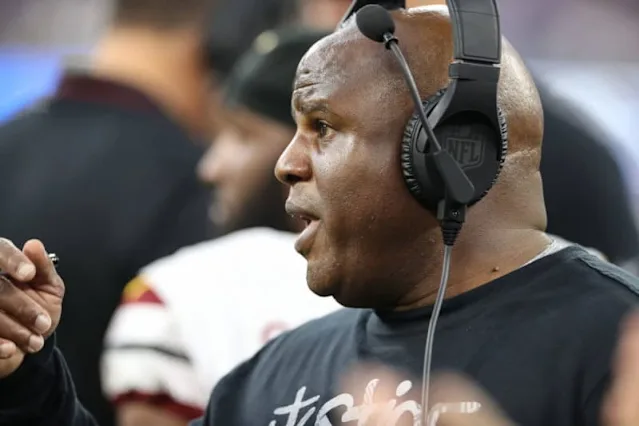
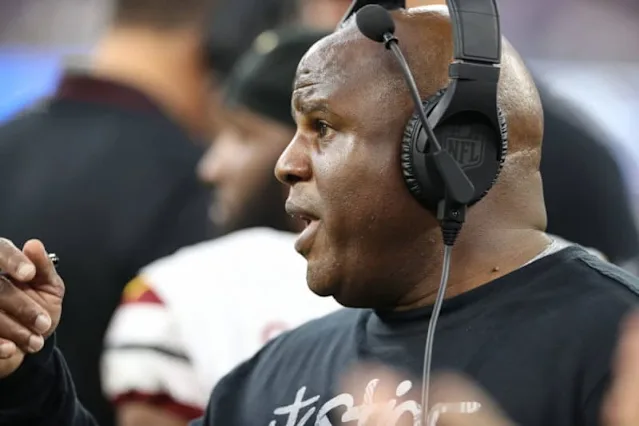
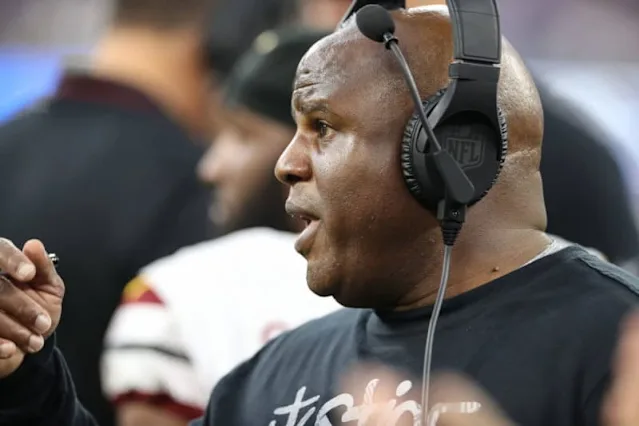
Since January, the Chiefs have parted ways with seven members of the 2025 coaching staff. The most visible change came on offense, where Eric Bieniemy replaced Matt Nagy as offensive coordinator.
Position coaches were dismissed. New quality control coaches were added. The reset wasn’t cosmetic—it was structural.
Even on defense, where the metrics suggested improvement, Reid made it clear that “good enough” was no longer acceptable.
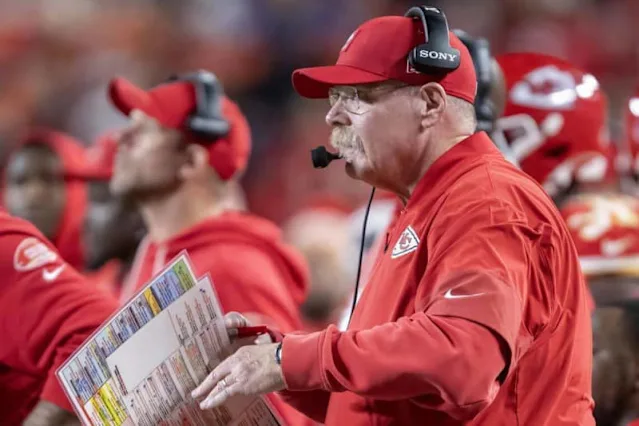
“I want to fix the problems that we had in all phases,” Reid said this week. “Change can be good sometimes.”
That statement matters because it acknowledges something deeper: Kansas City didn’t fail because it was broken everywhere. It failed because it couldn’t finish.
That’s the hardest flaw to correct.
Talent helps. Health helps. But late-game execution lives in details—communication, situational awareness, and discipline under stress.
Those are coaching problems as much as player ones, and Reid appears determined to attack them head-on.
What makes this offseason uncomfortable is the implication. If a statistically improved defense can still sink a season, then improvement alone isn’t the goal anymore. Precision is.
The Chiefs aren’t chasing adequacy. They’re chasing certainty.
Reid has rebuilt staffs before. He’s adjusted systems. He’s reinvented roles. But rarely has he done so with this sense of urgency, or this level of acknowledgment that something foundational slipped away.
Kansas City isn’t panicking. But it is recalibrating.
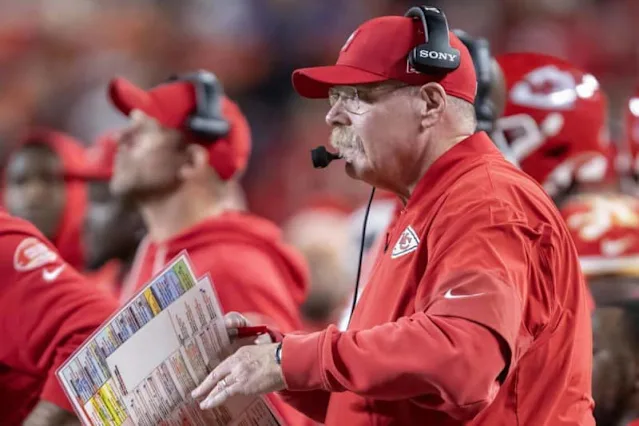
And as the Chiefs look toward 2026, one question hangs heavier than any personnel move:
If the defense really was better—why did it feel worse when everything was on the line?
Until that question is answered, the changes won’t stop.
Leave a Reply