The Las Vegas Raiders’ experiment with Geno Smith was supposed to be a bridge. Instead, it became a weight.
When the Raiders traded for Smith last offseason, the logic was defensible: a veteran quarterback coming off an efficient 2024 season, capable of stabilizing an offense in transition.
What followed, however, was a season that spiraled quickly—and not quietly. Smith was sacked a league-high 55 times, the offense never found rhythm, and the Raiders limped to the bottom of the standings.
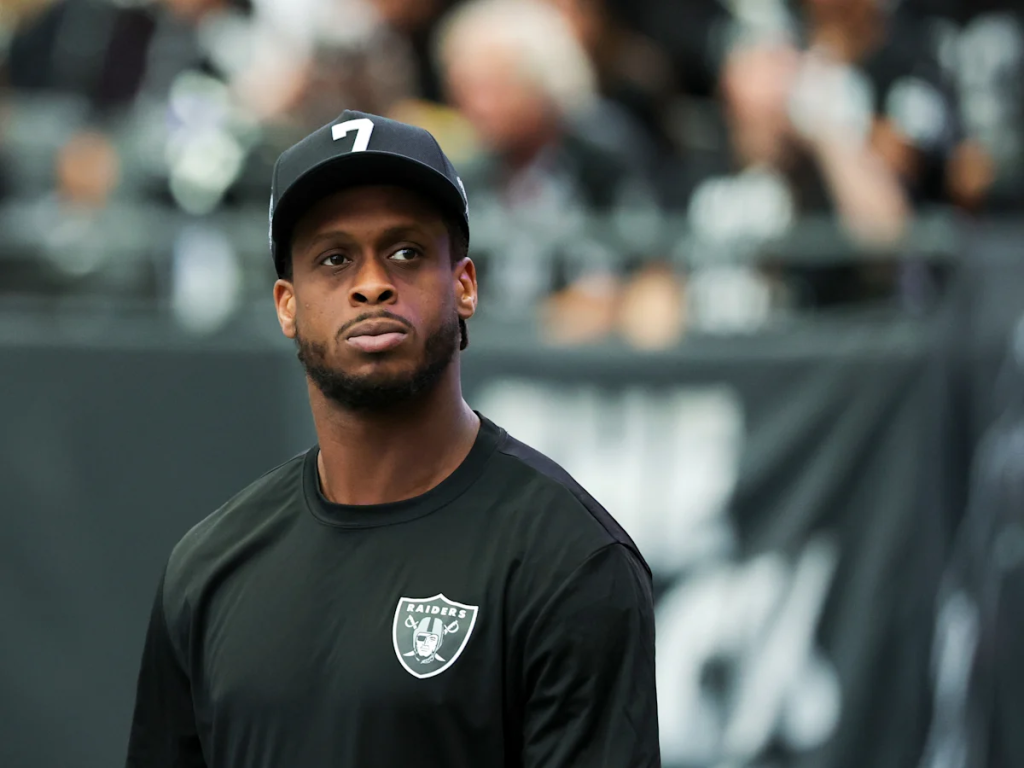
Now, as the franchise prepares to reset with the No. 1 overall pick in the 2026 NFL Draft, Smith’s exit feels inevitable. The only question is how.
Cutting him makes little sense. The Raiders would save just $8 million while eating $18.5 million in dead money. It’s a move that solves nothing and only highlights how poorly the situation aged.
A trade, until recently, felt just as unlikely.
Around the league, Smith’s Raiders tape has done him no favors. Teams with even a hint of quarterback stability aren’t lining up to give up meaningful assets. The assumption has been that Las Vegas would be stuck—forced to swallow the contract and move on quietly.
Then a new idea surfaced.
FanSided’s Christopher Kline recently floated Smith as a potential trade target for the Atlanta Falcons, and suddenly, the impossible started to look… plausible.
The appeal isn’t about what Smith was in Las Vegas. It’s about what he’s been everywhere else.
As recently as 2024, Smith finished top-five in both passing yards and completion percentage. That version of Smith didn’t vanish overnight—it was buried under pressure, chaos, and a roster that never protected him. In the right structure, with time and weapons, he has shown he can function at a high level.
Atlanta, quietly, checks those boxes.
The Falcons appear ready to move on from Kirk Cousins, and Michael Penix is still recovering from an ACL injury. That leaves a gap—one that doesn’t demand a long-term answer, just competence.
With playmakers like Bijan Robinson, Drake London, and Kyle Pitts, plus a solid offensive line, Atlanta offers something Smith never had in Las Vegas: margin for error.
There’s also the coaching factor.
New Falcons head coach Kevin Stefanski has spent years trying to coax consistency out of unstable quarterback situations. The idea that Smith could be “the closest thing to a real quarterback” Stefanski has worked with recently may sound harsh—but it’s not entirely wrong.
For the Raiders, the upside isn’t about recouping value. That ship sailed the moment Smith was acquired. Even a Day 3 pick would represent a clean win at this stage—especially if Las Vegas is willing to eat a portion of Smith’s $26.5 million salary to make the deal work.
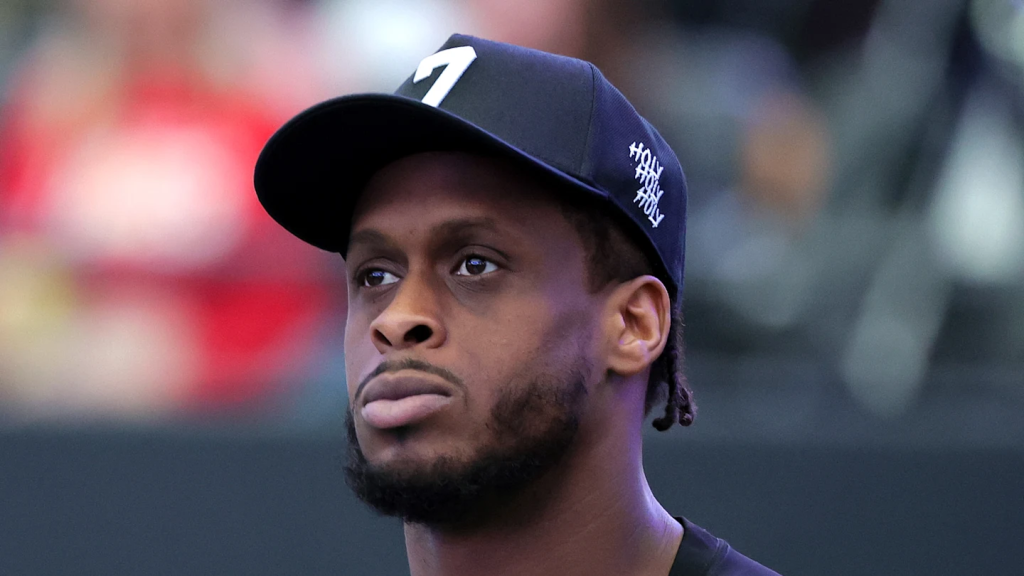
And that’s where this becomes quietly strategic.
By paying down part of the contract, the Raiders not only make Smith more attractive, they also help themselves reach the league’s cash spending floor. In other words, they can turn a mistake into a managed exit—financially and structurally.
This wouldn’t rewrite history. The Geno Smith trade would still go down as a miscalculation. But it wouldn’t end as a total loss.
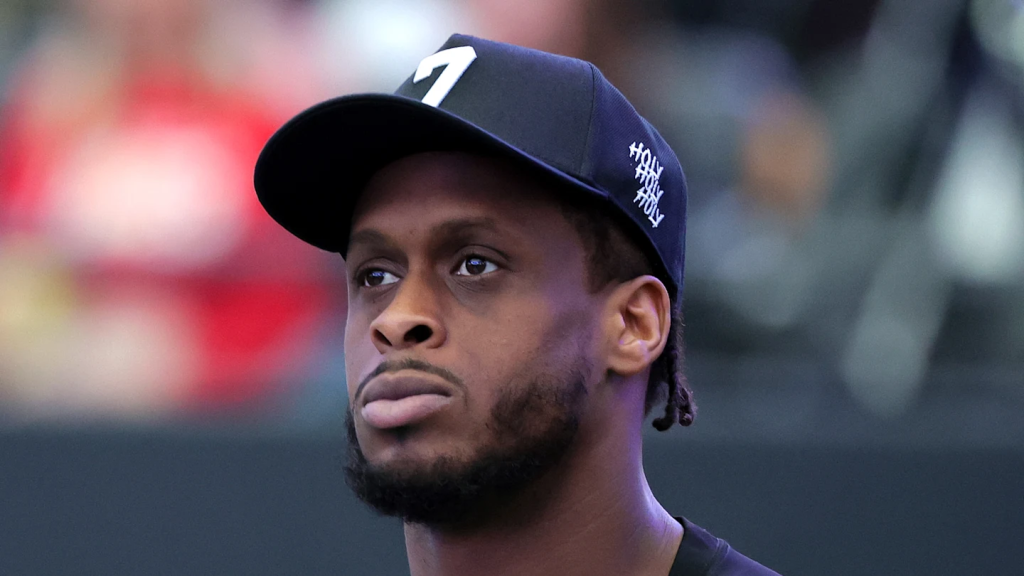
Instead of cutting ties with nothing to show for it, Las Vegas could clear the books, gain a pick, and fully pivot toward their future—likely with Fernando Mendoza under center.
For Smith, Atlanta offers a reset without the expectation of being a savior. For the Falcons, it’s a stopgap with upside. And for the Raiders, it’s something they haven’t had since this saga began:
A way out that doesn’t hurt quite as much.
Sometimes the best trades aren’t the ones that make headlines.
They’re the ones that quietly let everyone move on.
Leave a Reply