WNBA on the Brink: CBA Talks Collapse, Future of League in Jeopardy
For weeks, the WNBA and the players union have been locked in what could be the most consequential negotiations in league history. Operating under a 30-day extension of the current Collective Bargaining Agreement (CBA) agreed to in late October, the two sides have been meeting regularly. Yet as the clock ticks down, the gap between league and players remains painfully wide, and the biggest sticking point is clear: money.
Sources familiar with the talks have confirmed to multiple outlets that discussions have stalled over the fundamental structure of player salaries moving forward. The WNBPA has repeatedly pushed for a model tying player pay directly to league revenue—a system modeled after the NBA’s approach. In theory, it’s simple: as the league earns more from TV deals, sponsorships, and ticket sales, players automatically see a larger share. Everyone benefits as the league grows.
The league, however, has proposed a system that superficially appears generous but leaves players frustrated. Maximum-level contracts could top $1.1 million, but the breakdown includes roughly $800–850k in base salary, with the remainder tied to an opaque revenue-sharing component. Players argue this doesn’t deliver the transparent, modern system they were promised; it’s essentially a modest raise with a “mystery bonus” attached.
If no deal is reached today, a work stoppage won’t be immediate. Instead, the league and union will enter a “status quo” period. During this time, players retain access to team facilities, continue receiving medical benefits, and everything essentially runs as if the old CBA remains in effect. But the tension is palpable—at any point, either side could unilaterally trigger a work stoppage. It’s a high-stakes game of chicken, with millions of dollars and the league’s momentum on the line.
Historically, the WNBA has extended negotiations under similar pressure. Before the 2020 CBA was finalized, the league and union agreed to two separate extensions, ultimately finalizing an agreement in mid-January. The current extension includes a 48-hour termination clause for both sides, suggesting negotiations are ongoing but the threat of a sudden lockout looms.
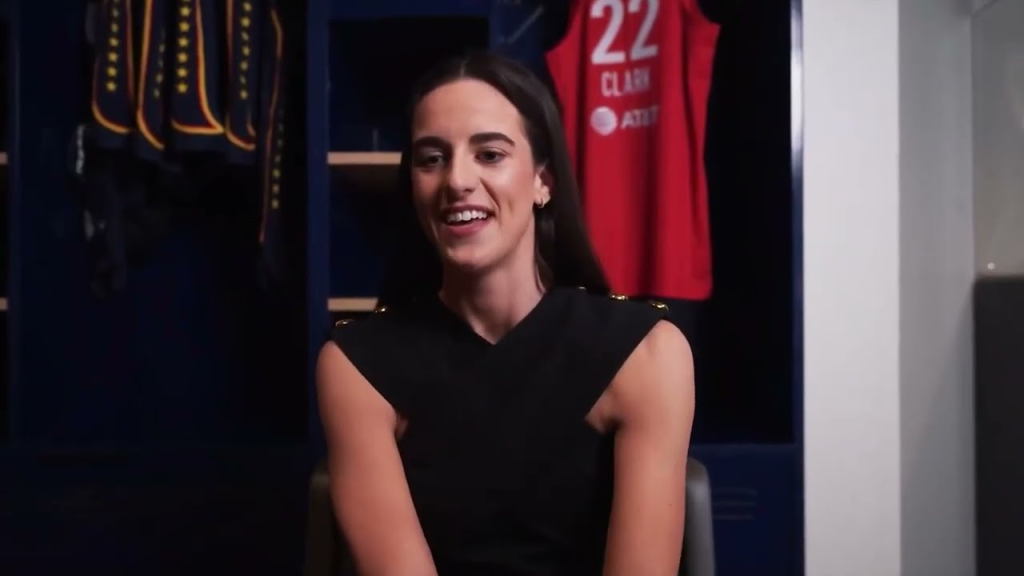
Beyond salaries, other critical issues remain unresolved. The league is pushing to formalize a charter flight program, enhance family planning and health insurance benefits, and create retirement benefits—areas that have never been officially codified. Meanwhile, the status of core designations, which restrict a star player’s movement between teams, remains contentious. Players want these powers limited, while the league wants to maintain control over franchise decisions.
Adding to the complexity is the rise of competing leagues in the U.S., notably Unrivaled, which has already signed dozens of WNBA players. Rumors suggest the league might demand exclusivity if the new CBA dramatically increases salaries, potentially restricting players from participating in other leagues during the offseason. Such a move would fundamentally shift the WNBA ecosystem, where overseas play has historically supplemented player income.
The stakes couldn’t be higher. The WNBA just experienced a surge in viewership, driven largely by Caitlyn Clark’s breakout rookie season, along with Paige Bueckers’ looming arrival and league expansion. The current moment represents unprecedented opportunity: momentum, audience growth, and commercial interest are at their peak. A prolonged work stoppage could instantly derail all of it. Casual fans might drift away, media attention could wane, sponsors may hesitate, and the league’s hard-won credibility could be undermined.
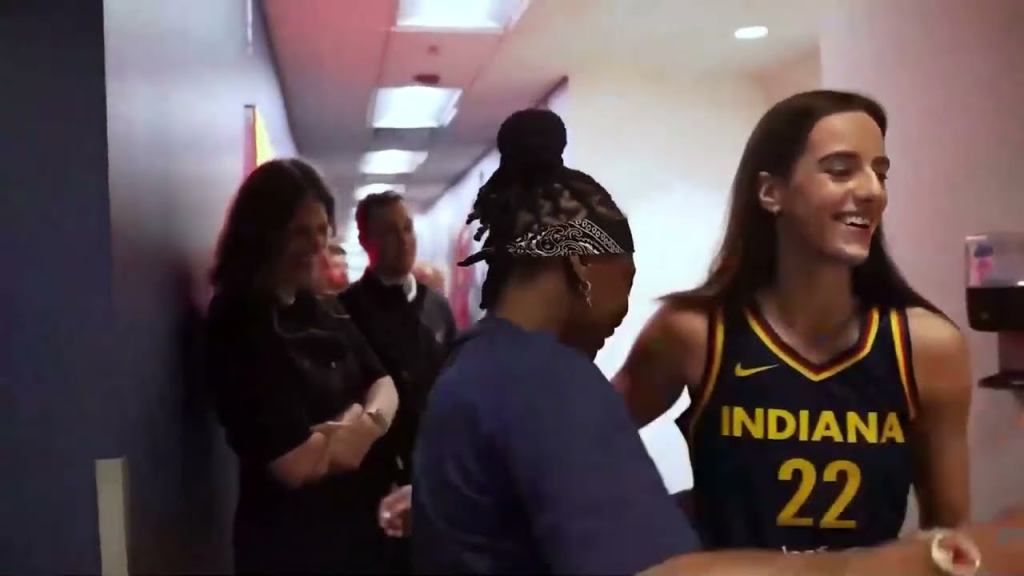
Financially, the balance of power lies with the owners. While players can threaten strikes, many owners have deep pockets and other revenue streams from NBA affiliations. The league has already mapped out contingency plans, including meetings with front offices to prepare for a potential work stoppage. The players, however, are demanding a modern, transparent system that directly ties compensation to the growth they drive—a philosophy fundamentally opposed to the league’s desire for fixed control over salaries.
At its core, this is more than a salary dispute; it’s a battle over the future of professional women’s basketball. Will the WNBA evolve into a truly sustainable career path for elite players, or remain a passion-driven league where stars must fight repeatedly for their share of growth? With hours left on the deadline, uncertainty reigns.

The next move by either side could define the league’s economic and cultural landscape for the next decade.
Leave a Reply