When Stefon Diggs signed with the New England Patriots last offseason, the move came with optimism—but not expectation. The vision made sense on paper: Mike Vrabel bringing structure, Josh McDaniels restoring offensive identity, and a young quarterback in Drake Maye offering promise. What didn’t come with the deal was certainty.
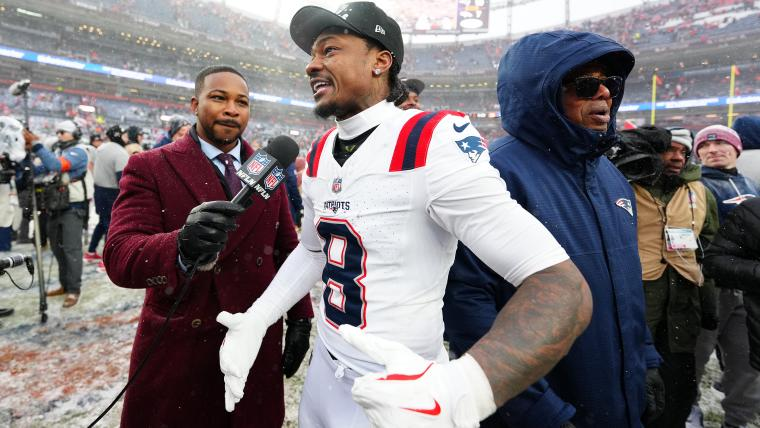
Diggs admits that openly now.
Ten months later, New England is preparing for Super Bowl LX after a 14–3 regular season and three straight playoff victories. For Diggs, it’s unfamiliar territory—not because he doubted the franchise, but because he understood how fragile belief can be before football starts being played.
“I wasn’t betting on that,” Diggs said, reflecting on the idea of reaching the Super Bowl. “I was betting on attaching myself to the process of winning.”
That distinction matters.
Diggs didn’t arrive in Foxborough chasing a ring. He arrived chasing alignment. After tearing his ACL just five months before signing, both sides were taking a calculated risk. The Patriots believed Diggs could still be productive. Diggs believed the organization would give him something worth committing to—even if the outcome was uncertain.
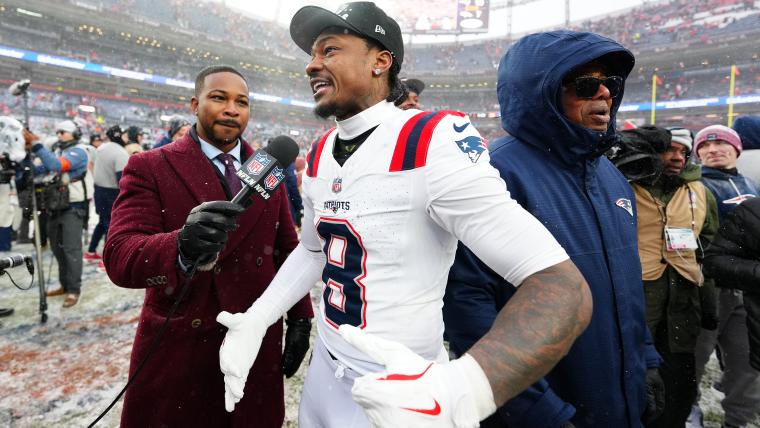
The season that followed validated both sides.
Diggs finished with 85 receptions for 1,013 yards, quietly anchoring a wide receiver group that grew alongside Drake Maye. At 32, he wasn’t asked to reinvent himself. He was asked to stabilize. To lead without demanding the spotlight. To model what buying in actually looks like.
He did that.
What’s striking is how Diggs describes the journey. He wasn’t shocked by the Patriots’ competence. He wasn’t shocked by the coaching. What surprised him was the speed at which everything clicked.
New England didn’t just win—they evolved in real time.
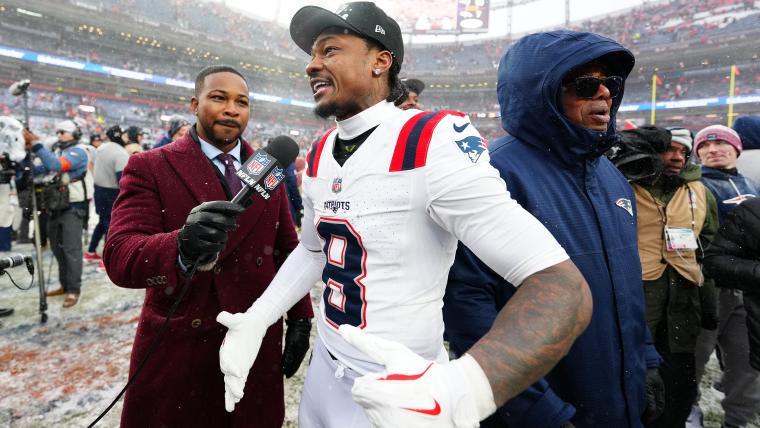
Diggs watched Maye grow week by week, navigating the highs and lows of a long season. He didn’t pretend to know how it would end. He treated it like everyone else inside the building: one practice, one rep, one adjustment at a time.
That mindset mirrors the Patriots’ broader transformation.
This wasn’t a roster built on shortcuts. It was built on patience—players attaching themselves to a process rather than chasing guarantees. Diggs embodied that philosophy without ever needing the captain’s patch. His influence showed up in meetings, preparation, and consistency.
Now, he’s heading to his first Super Bowl.
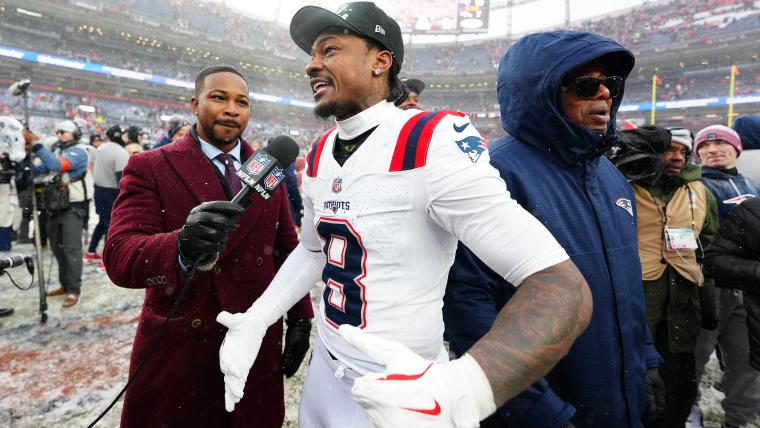
The irony isn’t lost on him.
Diggs has played a long time. He’s seen talent wasted. He’s seen promise stall. He’s been part of winning teams that never quite reached the final stage. When he joined New England, he wasn’t forecasting a championship run—he was betting that doing things the right way would eventually matter.
This year, it did.
There’s also a quiet financial reality beneath the moment. Diggs is under contract through 2027, set to earn over $20 million in 2026 with incentives tied to availability and preparation. That structure reflects trust—but also accountability. The Patriots didn’t just invest in past production. They invested in habits.
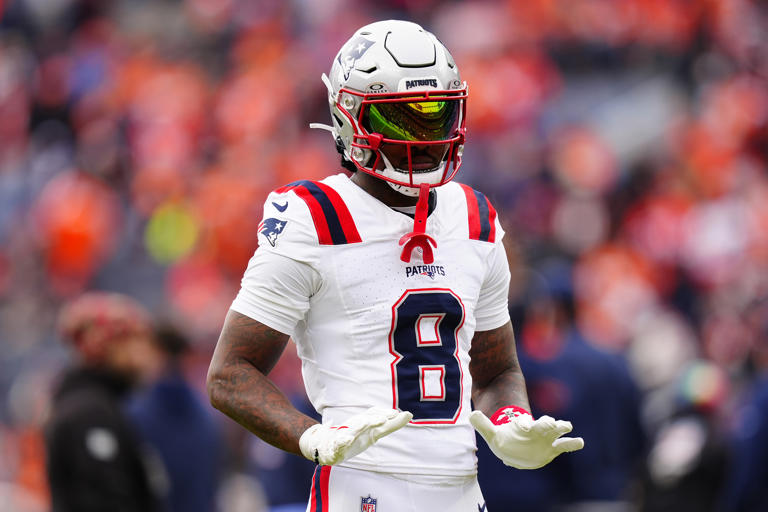
Every wide receiver currently on the roster is signed through next season. Continuity wasn’t accidental. It was planned.
As the Super Bowl approaches, Diggs isn’t speaking in grand predictions. He’s speaking like someone who understands how rare this is—and how easily it could’ve gone another way.
He didn’t bet on a Super Bowl.
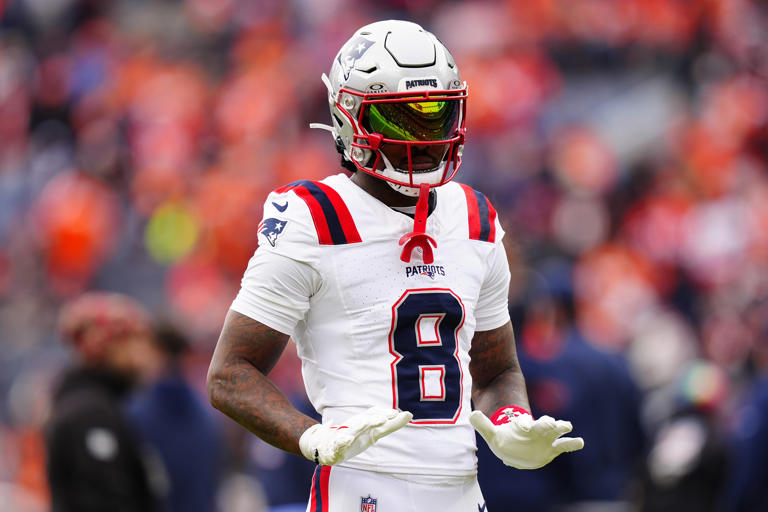
He bet on the process.
And sometimes, that’s the kind of wager that pays off in ways you never saw coming.
Leave a Reply