Not every transformation in baseball announces itself with a press conference or a blockbuster headline. Some happen quietly, in the background, while attention is focused elsewhere. For the Baltimore Orioles heading into 2026, Jeremiah Jackson may be exactly that kind of shift — subtle, understated, and increasingly difficult to ignore.
For years, Baltimore’s version of a “Swiss army knife” was Jorge Mateo. His speed, positional flexibility, and ability to slide anywhere in the infield gave the Orioles options on days when the roster felt tight. Mateo is gone now, and with his departure came an assumption that Baltimore would eventually need to replace that role from the outside.
Instead, the answer may already be in the room.
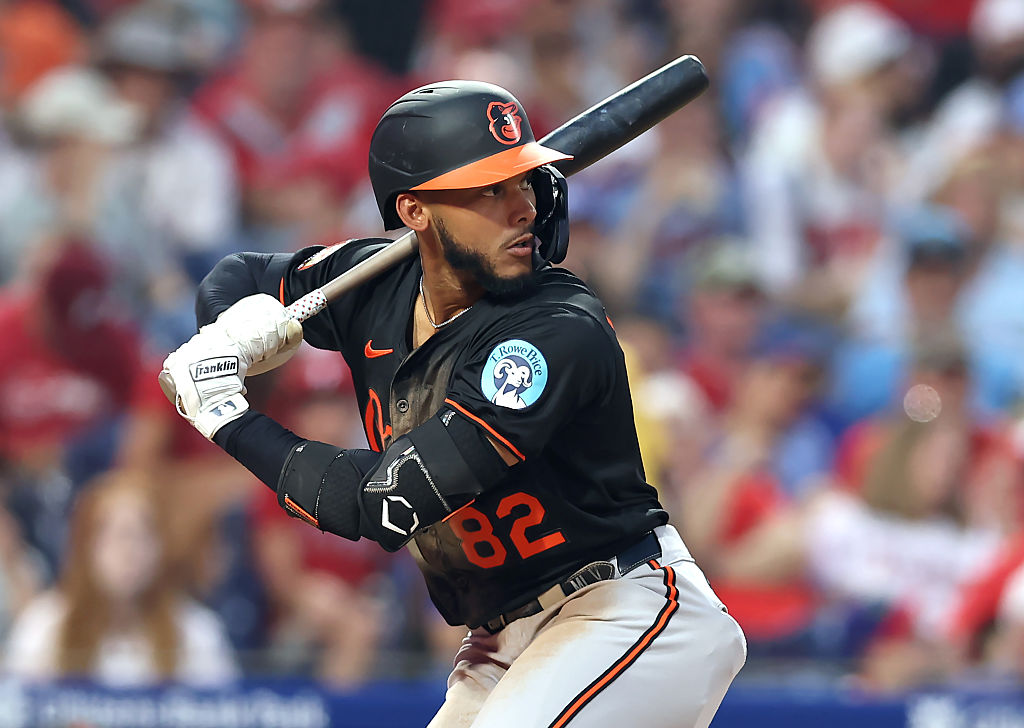
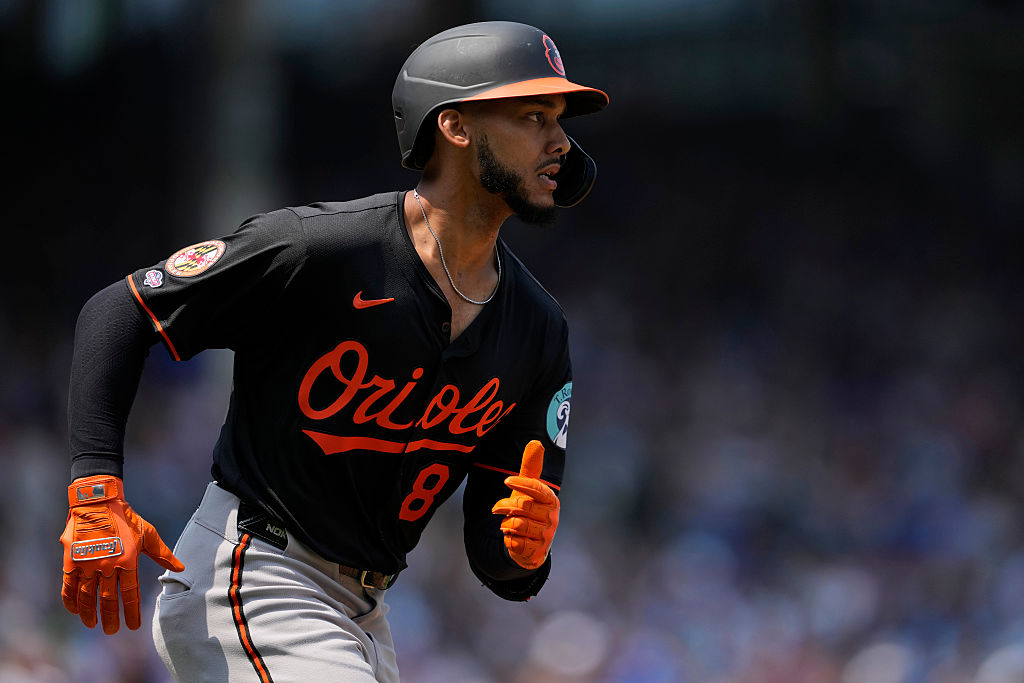
Jeremiah Jackson didn’t arrive in the majors with much noise. When he made his MLB debut on August 1, 2025 at Wrigley Field, it felt more like a test run than a declaration. One hit, a few innings, a name to remember later. But what followed quietly shifted how the Orioles began to view him.
Before that debut, Jackson had already done everything he could in the minors to force the issue. Across Double-A and Triple-A, he posted an .880 OPS in 339 at-bats — not flashy enough to dominate headlines, but consistent enough to raise eyebrows internally. The Orioles promoted him not because they had to, but because they wanted to see if his skill set would translate.
It did.

In August, Jackson looked anything but overwhelmed. Over his first 93 big league at-bats, he produced an .828 OPS, paired with a .344 on-base percentage and a .484 slugging percentage. He drove in 14 runs, hit two home runs, and — perhaps most importantly — showed an approach that didn’t crumble under major-league pressure.
But offense wasn’t the real story.
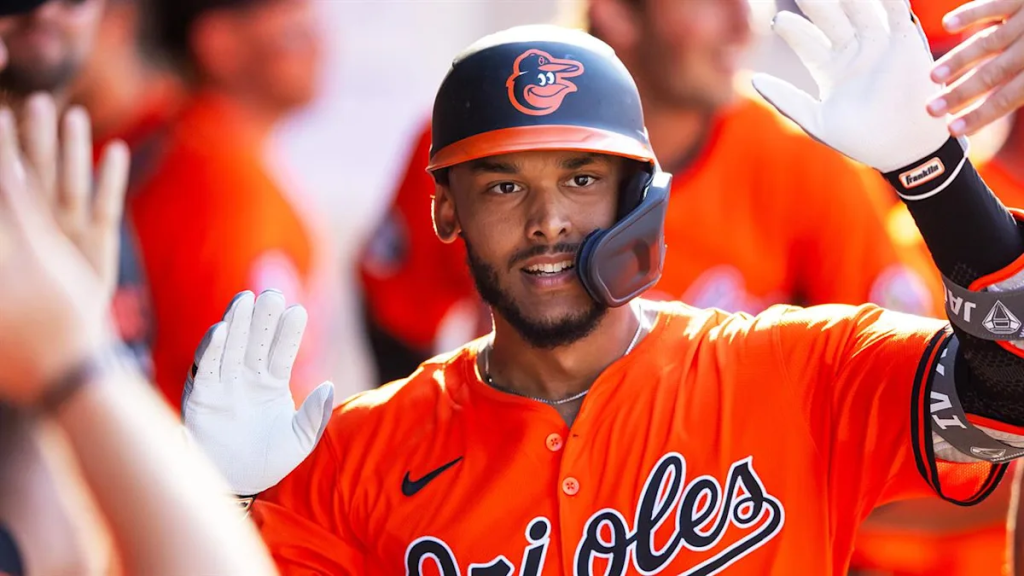
What separated Jackson from a typical rookie was how the Orioles used him. In the minors, he had been primarily an infielder, spending most of his time at shortstop and third base. In Baltimore, those paths were blocked. Gunnar Henderson and Jordan Westburg weren’t moving.
So Jackson adapted.
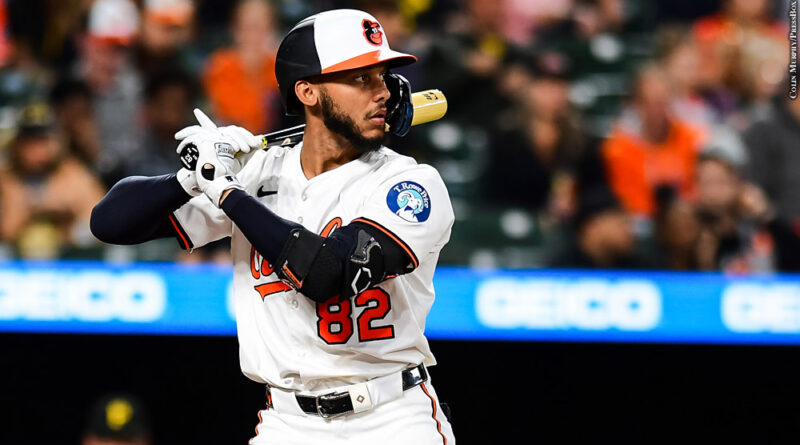
Rather than being hidden, he was repositioned. Right field became his new home — 250 of his 335 defensive innings came there — while he still logged time at third base and even second base. The message was subtle but clear: the Orioles weren’t trying to fit him into one box. They were testing how many boxes he could fill.
September brought some regression, as expected. The numbers dipped. The OPS fell to .713. But the production never collapsed, and the versatility remained. By season’s end, Jackson had finished with a .276 batting average, a .775 OPS, five home runs, and 21 RBIs — solid numbers for a rookie whose role was never clearly defined.
And that may be the point.
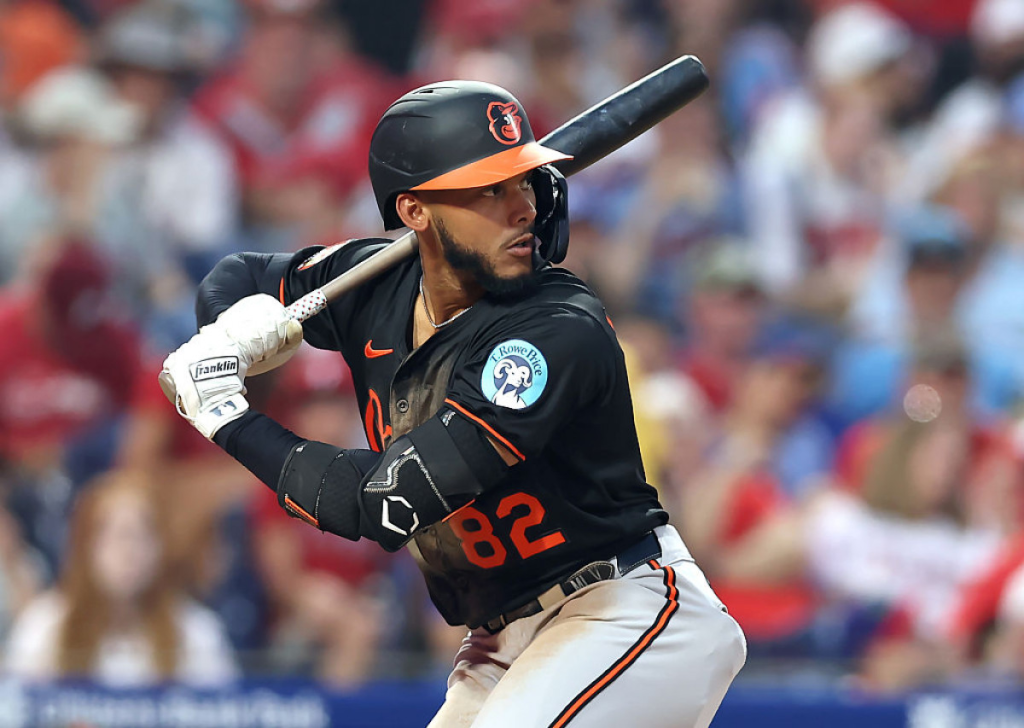
Jackson isn’t being groomed to replace a superstar. He isn’t expected to anchor a lineup or dominate defensively at one elite position. Instead, he’s becoming something just as valuable: a player who gives the roster flexibility without demanding attention.
In an Orioles lineup already loaded with star power, that kind of player can quietly tilt close games. A lineup card tweak. A late-inning defensive shift. A bat that doesn’t feel out of place when called upon.
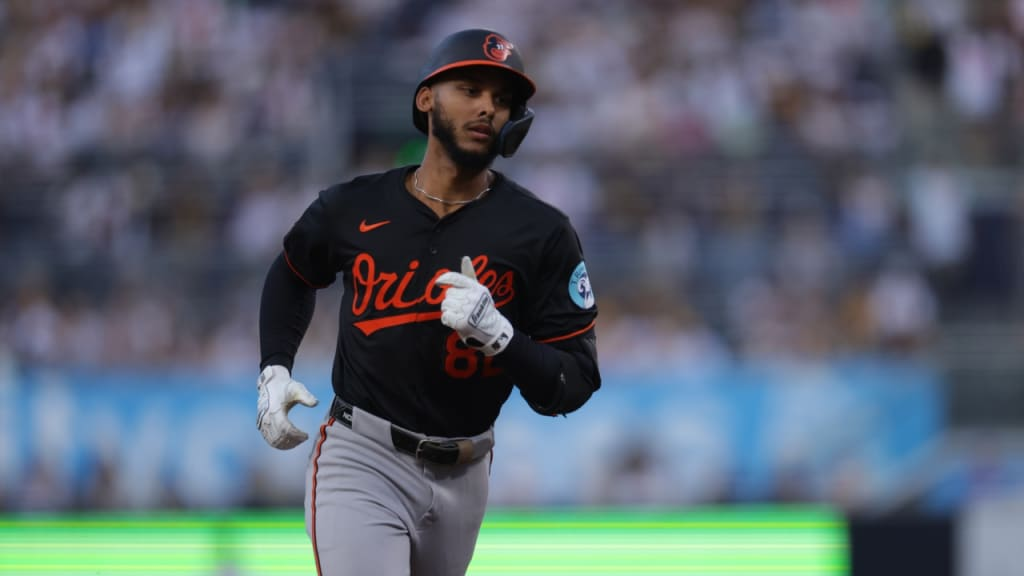
Baltimore doesn’t need Jeremiah Jackson to be Tommy Edman or Ernie Clement overnight. What they need is someone who can absorb innings, reduce pressure on the core, and show up without disrupting the structure they’ve built.
As 2026 approaches, the Orioles may not say it out loud. But the way they deploy Jackson will say enough. Not a superstar. Not a blockbuster. Just a piece that keeps showing up — until suddenly, the team can’t imagine functioning without him.
Leave a Reply