Caleb Williams didn’t suddenly become great in Chicago.
He finally became supported.
That distinction matters—and Lincoln Riley made sure people understood it.
Speaking on NFL Network’s Super Bowl Live, the USC head coach didn’t gush about arm talent or highlight throws. Instead, he zoomed out, focusing on something quarterbacks rarely get credit—or protection—for: alignment.
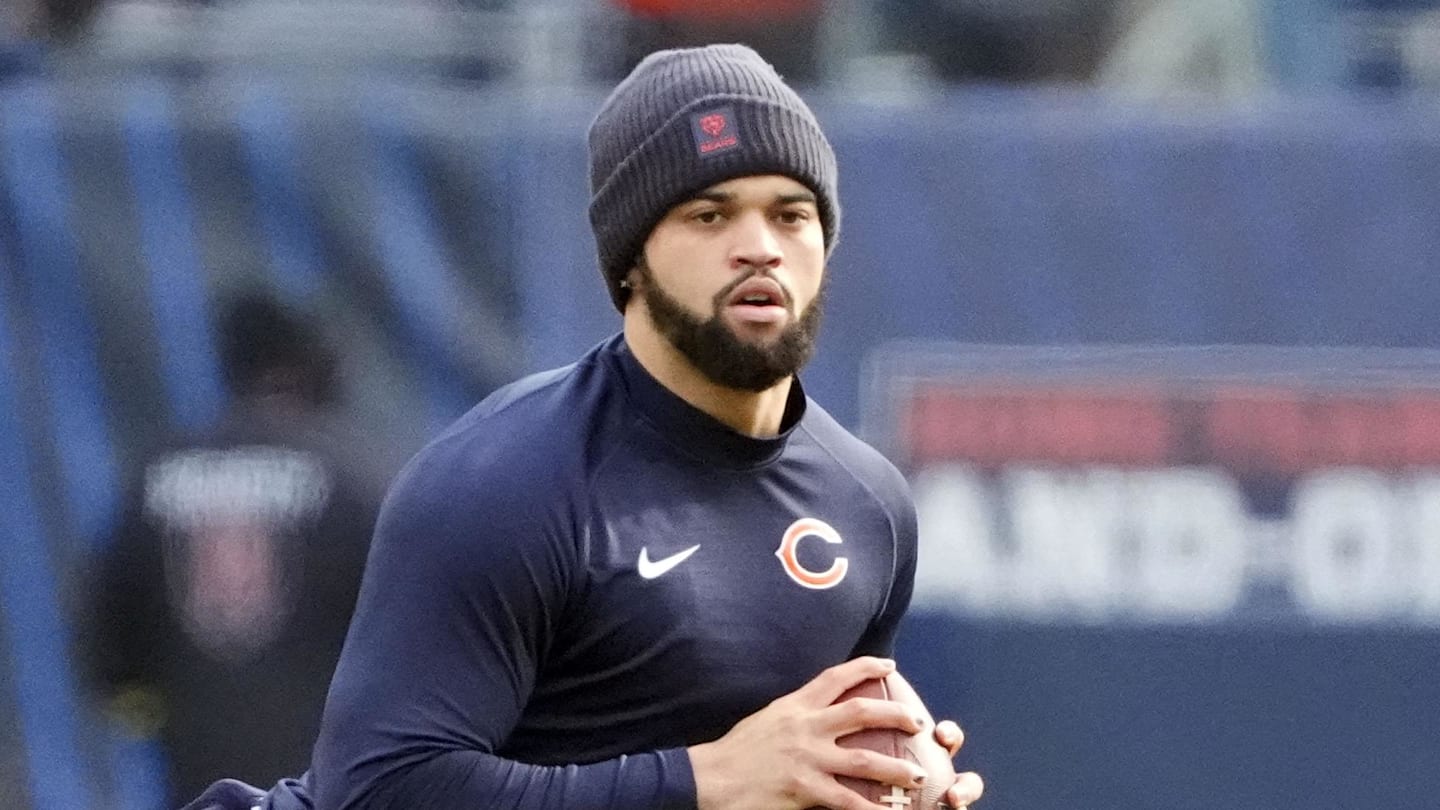
“You’ve got to have the right scheme, the right system, the right culture, the right players around you,” Riley said. “If any part of that doesn’t work, it’s going to show up on the quarterback.”
That wasn’t abstract commentary. It was a direct reflection of what Williams endured as a rookie.
In his first season with the Bears, Williams played behind dysfunction. The coaching staff collapsed midseason. The offense lacked structure. Protection was inconsistent. And the results were brutal: 68 sacks—tied for the third-most in NFL history.
Some of those were on Williams. He’s never shied away from that. But many were the byproduct of an environment that failed him before it ever developed him.
Then came Year Two.
Chicago didn’t chase flash. They chased coherence.
Ben Johnson arrived with a system that made sense. Roles were defined. Adjustments were timely. And for the first time, Williams wasn’t improvising just to survive—he was improvising to win.
The transformation was immediate.
Williams played with visible confidence. The offense breathed. The Bears didn’t just improve—they surged. A division title. A playoff win.
A city that had spent decades waiting for a quarterback it could believe in finally leaned forward instead of bracing for impact.
Riley noticed the difference right away.
“I think Caleb played with a lot more confidence this year,” he said. “The supporting cast did a great job and he’s just going to continue to grow.”
That confidence showed itself when the season mattered most.
Against Green Bay in the Wild Card round, Chicago faced a 4th-and-8 with five minutes left, down nine. Williams escaped pressure, drifted left, and launched a pass midair—his body contorted, defenders closing. Rome Odunze came down with it. Momentum flipped. A 21-point comeback followed.
To most of the country, it looked miraculous.
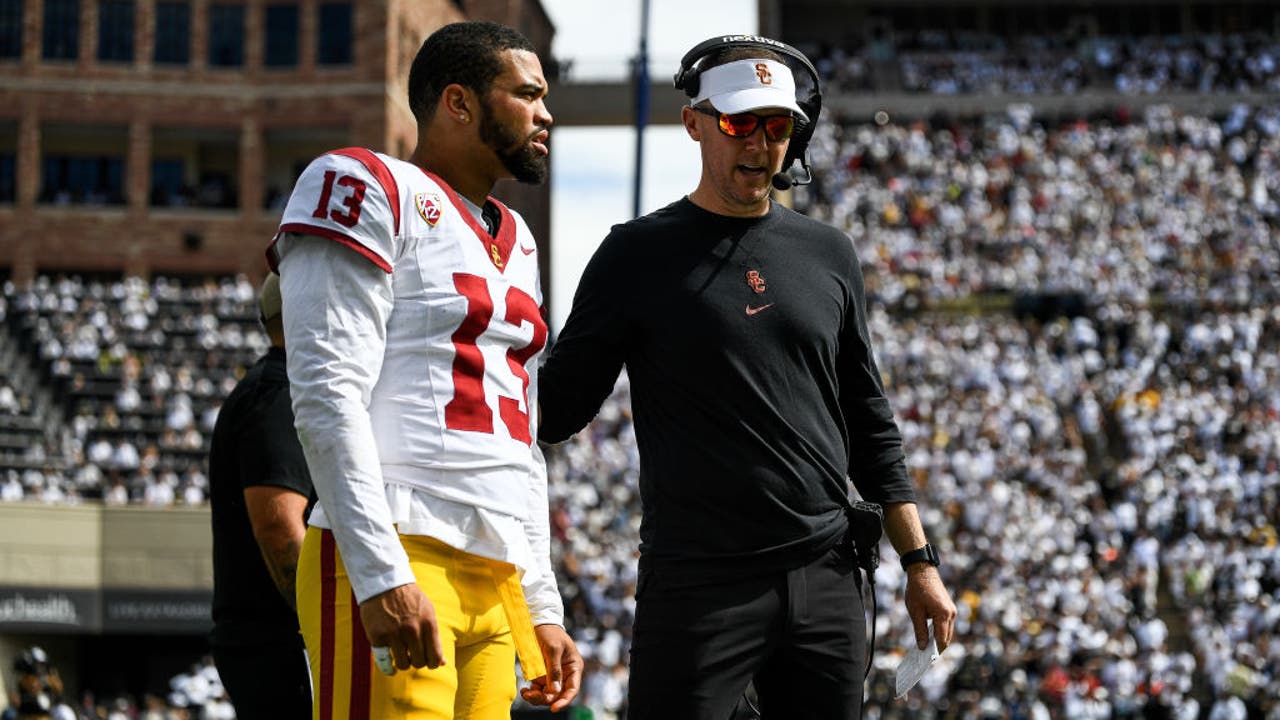
To USC fans, it looked familiar.
A week later against the Rams, Chicago was cornered again—4th-and-4 from its own 14-yard line with 27 seconds remaining. Williams retreated nearly 25 yards, then fired a strike to Cole Kmet for a game-tying touchdown. The Bears would eventually lose in overtime, but belief had already taken root.
That’s what Riley was talking about.
Talent was never the question. It never was at Oklahoma. It never was at USC. And it was never the reason Williams struggled early in Chicago. Quarterbacks don’t fail in a vacuum. They fail in misalignment.
Riley even pointed to Sam Darnold and Baker Mayfield as examples—players whose careers changed when structure finally matched skill. The lesson was clear: quarterback success is fragile, and environment decides whether potential becomes progress.
Chicago finally got that right.
Now, Williams looks less like a survivor and more like a centerpiece. The Bears aren’t winning with him anymore. They’re winning because of him.
And for a franchise that’s waited generations for that feeling, it changes everything.
Leave a Reply