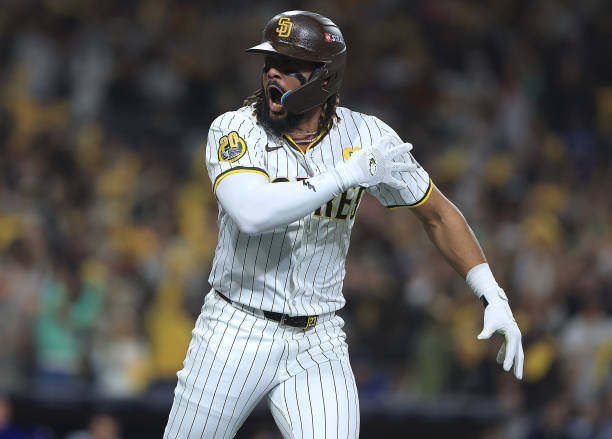
Fernando Tatis Jr. isn’t available.
That’s the message the Padres keep repeating, publicly and consistently. He hasn’t been shopped. There have been no trade discussions. Every version of the roster still has his name written in the middle.
And yet, one phrase refuses to disappear.
“For now.”
Padres insider Kevin Acee has used it again and again, most recently on Foul Territory, and each time it lands with more weight. When asked directly whether San Diego has shopped Tatis, Acee’s answer was blunt.
“Zero,” he said.
Then came the pause.
“…for now.”
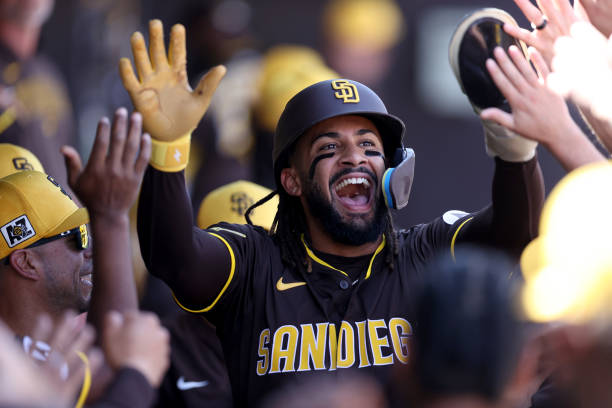
That caveat isn’t accidental. It’s structural.
The Padres aren’t navigating a normal offseason. Ownership uncertainty hangs over every decision. The Seidler family’s openness to a potential sale has forced the front office into a cautious posture—one where future flexibility quietly matters as much as present competitiveness.
And that’s where the contradiction begins.
From a baseball standpoint, there is no argument for moving Fernando Tatis Jr. He’s 27, a two-time Platinum Glove winner, one of the most electric players in the sport, and a postseason difference-maker. General manager A.J. Preller made that clear during the Winter Meetings.
“For us to get to where we want to get to, we need Fernando,” Preller said.
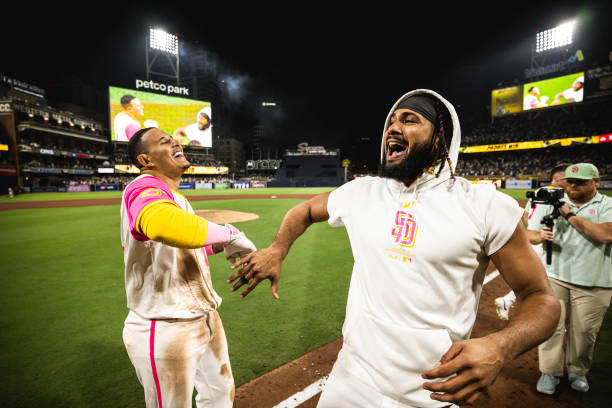
He emphasized that the Padres have not held any trade discussions involving Tatis. He went even further, describing internal roster boards where Tatis is “right in the middle” of every possible version of the team.
On the field, he’s indispensable.
On the books, it’s more complicated.
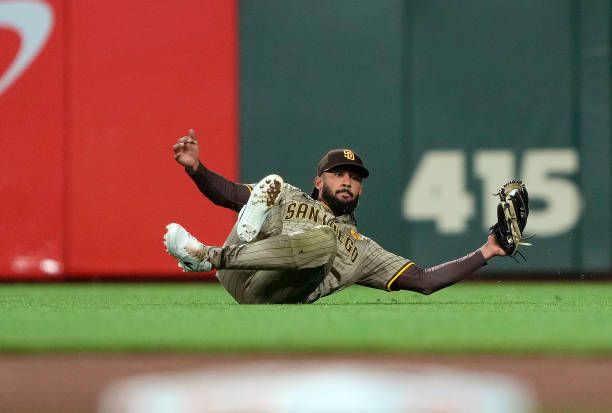
Acee explained the uncomfortable truth out loud: San Diego has boxed itself in. Manny Machado and Xander Bogaerts are owed massive money long-term and are widely viewed as unmovable contracts. Tatis, despite being the face of the franchise, is different.
He’s movable because he’s valuable.
That’s the irony Padres fans are struggling to reconcile. The better Tatis is, the more he fits into any contender’s plans. His 14-year, $340 million contract still has significant money attached—but it also carries star power, production, and appeal that other teams would line up for if the Padres ever felt forced to reset.
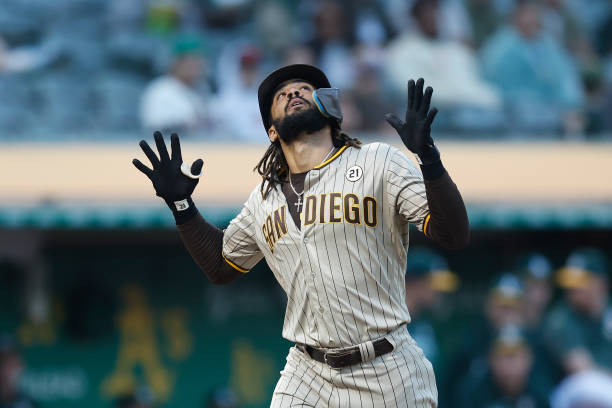
That scenario isn’t happening today. But “for now” exists precisely because tomorrow isn’t guaranteed.
Ownership transitions change incentives. Buyers prefer cleaner balance sheets. Front offices get pressure to maintain optionality. And when financial gravity starts pulling, it rarely targets underperformers first—it targets the assets that can actually move the needle.
Preller insists he has no desire to trade Tatis, and Tatis himself holds a no-trade clause, reinforcing the idea that San Diego is his home. All signs point to commitment.
Still, language matters.
Teams that are truly settled don’t need caveats. They don’t hedge. They don’t leave doors cracked “just in case.” The Padres do—because their future structure isn’t fully under their control.
That’s why this story won’t die.
Not because Tatis is on the block. But because he exists at the intersection of baseball need and business reality. One side says he’s untouchable. The other quietly admits he’s the most movable star they have if circumstances ever shift.
And that tension—between certainty and contingency—is exactly what fans feel when they hear “for now.”
Because “for now” isn’t reassurance.
It’s a reminder that in modern baseball, even cornerstones live on conditional ground.
Leave a Reply