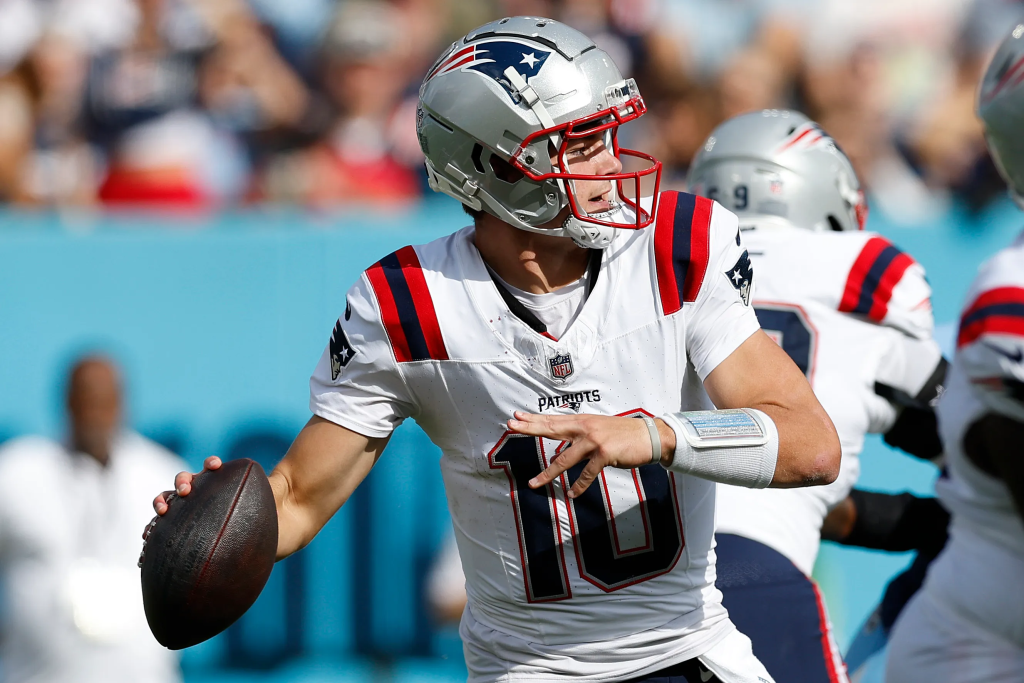
Super Bowl LX was uncomfortable to watch for anyone who appreciates quarterback talent without tribal loyalty. Drake Maye didn’t just struggle — he unraveled, and the unraveling was loud enough to echo beyond one game.
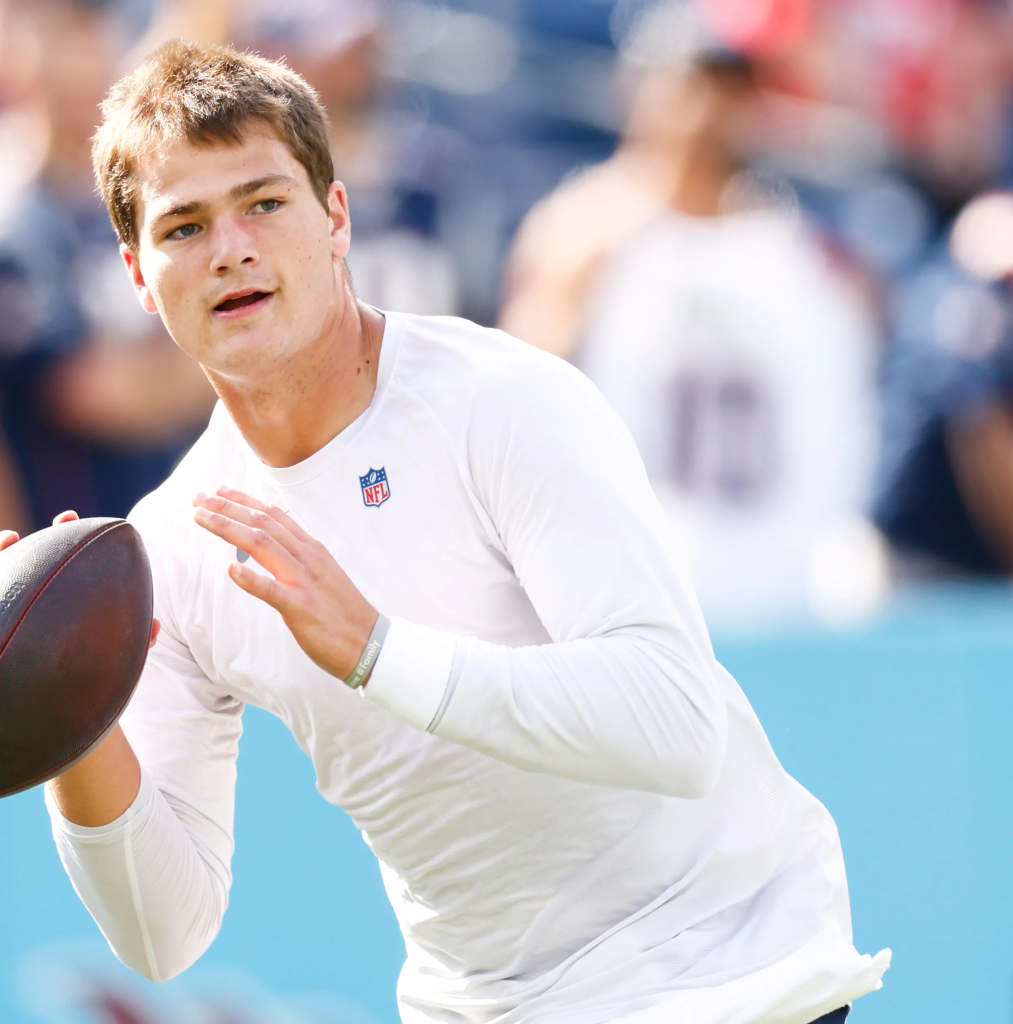
The Seattle Seahawks didn’t disguise their intentions. They treated Maye as the Patriots’ entire offense. Everything else was noise.
“We knew he was their whole team,” Seahawks linebacker Uchenna Nwosu admitted afterward. The plan was simple: break the quarterback, and the game would follow.
It worked.
Maye was pressured relentlessly, sacked six times, and turned the ball over three times. Whether it was his shoulder injury, shaky protection, or confidence eroding in real time hardly mattered. Once panic crept in, mechanics collapsed and decision-making followed.
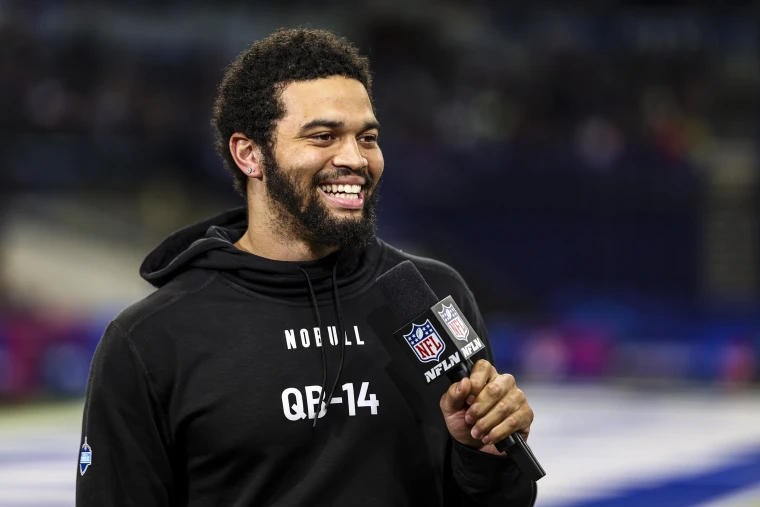
The most telling part wasn’t the turnovers. It was how they happened.
Maye reverted to habits that once made him special — and dangerous. Hero-ball instincts surfaced. Eyes dropped. Feet rushed. Every snap became a personal rescue mission instead of a team operation. On the biggest stage in football, he tried to be everything at once.
That’s where this story stops being about Drake Maye.
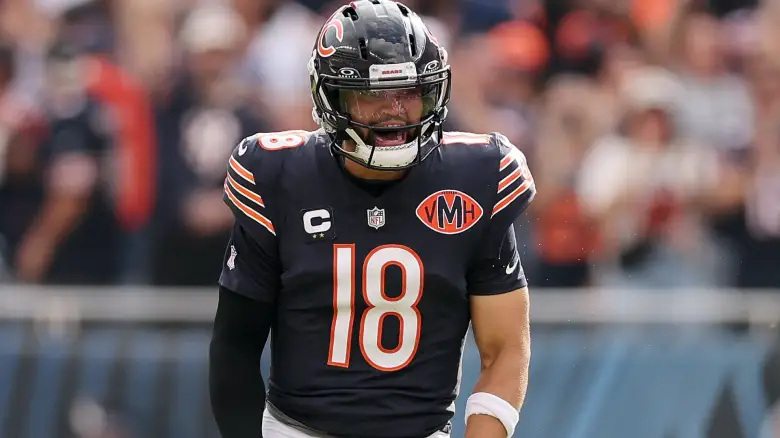
Because Caleb Williams should have been watching closely.
Williams’ 2025 season quietly marked a turning point. Early struggles with pressure gave way to growth — fewer sacks, smarter scrambles, and a willingness to throw the ball away. He learned when chaos demanded restraint instead of creativity.
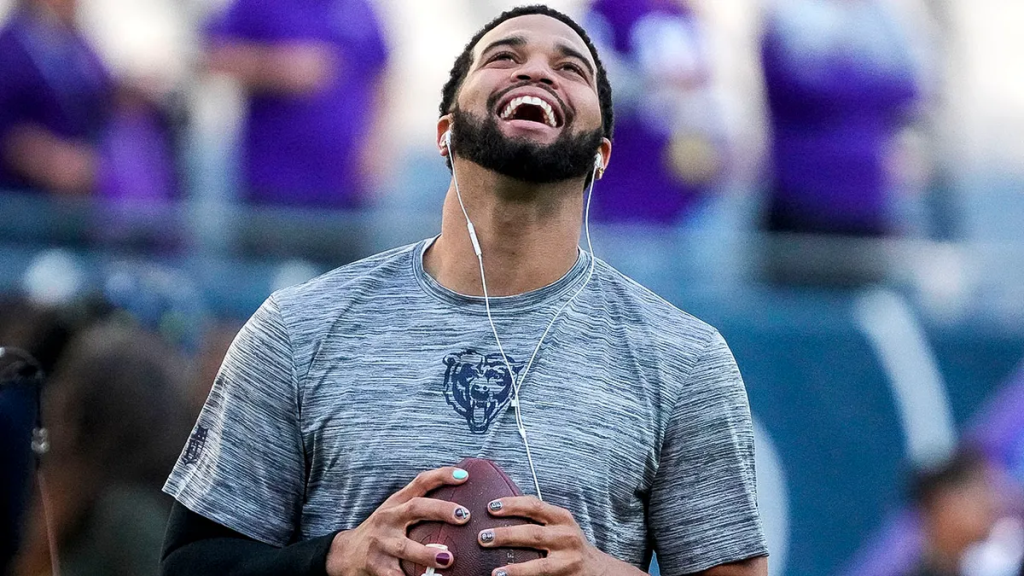
Later, once structure returned, Williams unleashed his playmaking again — but selectively. The difference mattered. His greatest moments came not from desperation, but from control.
Super Bowl defenses don’t reward desperation. They feed on it.
The Seahawks’ approach to Maye is the blueprint Williams will face sooner rather than later. When opponents believe you are the offense, they stop respecting everything else. They force you to solve problems alone.
Williams, unlike Maye, isn’t alone.
Ben Johnson’s system is designed to protect quarterbacks from themselves. The Bears proved in 2025 they could win even when Williams wasn’t spectacular. Protection held. Weapons emerged. Balance existed.
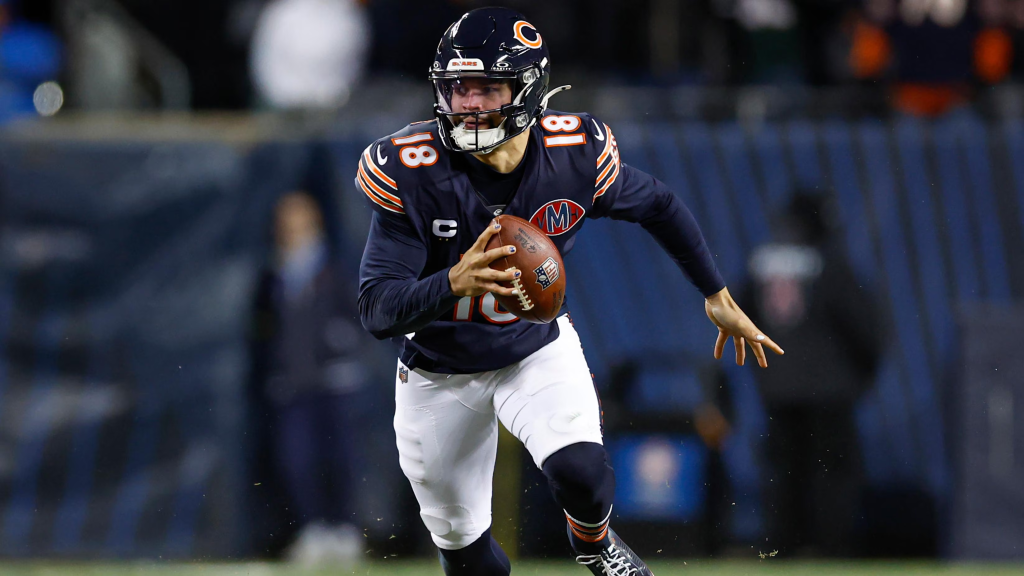
But that safety net disappears under Super Bowl pressure.
Next season, defenses will test Williams’ discipline, not his arm. They’ll bait him into extending plays unnecessarily. They’ll invite chaos and hope he chooses instinct over structure.
That’s the trap.
Maye fell into it because he felt responsible for everything — the score, the momentum, the moment. Once that belief takes hold, mistakes don’t just happen. They multiply.
Williams’ growth suggests he understands this already. He played within himself better than expected in 2025, showing poise that Maye couldn’t summon in the postseason.
But Williams hasn’t faced this moment yet.
Super Bowls don’t care about MVP narratives, draft debates, or comparisons between classmates. They punish quarterbacks who believe the game is personal. Eleven defenders will always beat one hero. Always.
The lesson is simple and brutal: don’t try to win the Super Bowl on one snap.
When Williams eventually reaches that stage — and his trajectory suggests he will — his challenge won’t be talent. It will be restraint. Seeing the game instead of reacting to it. Trusting the structure even when it feels like it’s collapsing.
Drake Maye learned that lesson the hard way, under the brightest lights possible.
If Caleb Williams learns it early, he won’t just survive his Super Bowl moment. He’ll control it.
Leave a Reply