There was no press conference.
No splashy graphic.
No promise of reinvention.
Just a quiet agreement that says a lot about where the San Diego Padres really are.
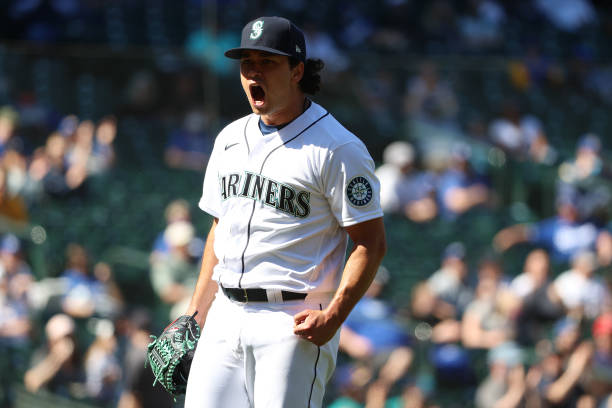
According to reports, the Padres have signed left-hander Marco Gonzales to a minor-league deal with a spring training invite—$1.5 million if he makes the roster, plus incentives. On the surface, it looks like a low-risk depth move. The kind teams make every February and forget by April.
But context changes everything.
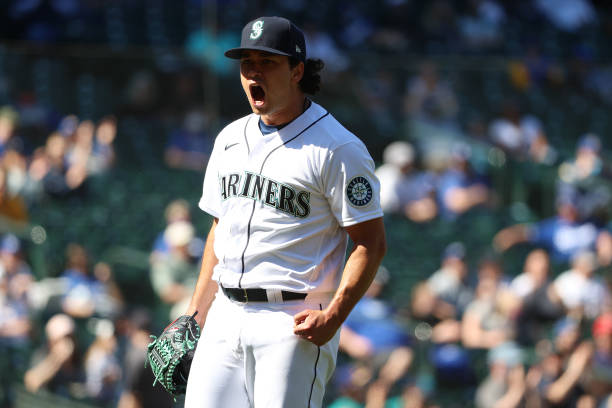
Gonzales is 34. He hasn’t thrown a major league pitch in a year after undergoing flexor tendon surgery in August 2024. Before that, his numbers were already slipping—seven appearances, a 4.54 ERA, more contact than dominance. He’s never been a strikeout pitcher. He survives on command, sequencing, and trust in his defense.
Which raises the real question: why now, and why him?
The answer isn’t upside.
It’s uncertainty.
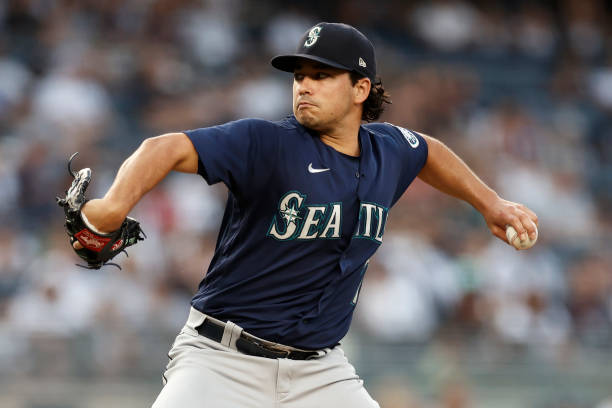
San Diego’s rotation may look serviceable on paper, but it’s fragile in reality. Even with Michael King returning, there are innings to be covered, questions about durability, and very little margin for error. This isn’t a staff overflowing with safety nets.
That’s where Gonzales enters—not as a solution, but as insurance.
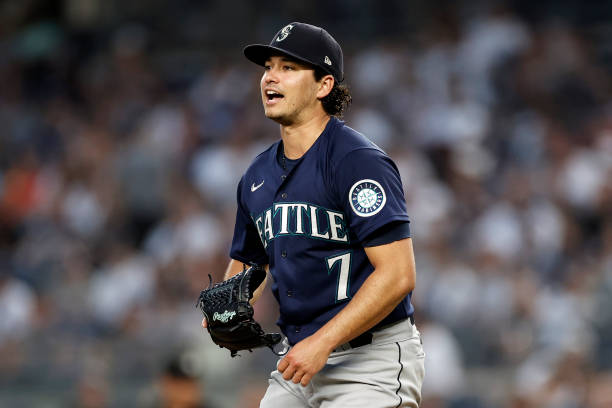
His best years are well behind him. The 2019 season in Seattle—16 wins, league-average run prevention in the heart of the juiced-ball era—feels distant now. His abbreviated 2020 run showed flashes of sharpness, but that was half a decade and one major elbow surgery ago.
This signing isn’t about rediscovering that pitcher.
It’s about whether anything is left.
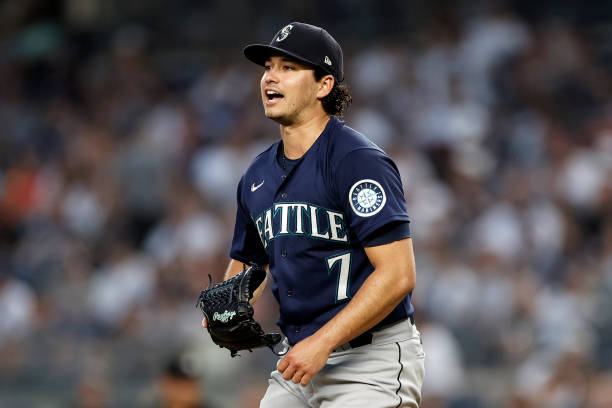
For Gonzales, the challenge is stark. A full year away from the game after 30 isn’t a pause—it’s a cliff. Timing erodes. Feel fades. The margin for error disappears. What remains is experience, and the hope that command can return faster than velocity declines.
For the Padres, the calculation is equally revealing.
If Gonzales can limit walks, take the ball every fifth day, and absorb innings without imploding, he becomes valuable—not because he’s good, but because he’s present. And that’s a telling standard for a team that still hopes to contend.
This is not how contenders usually talk.
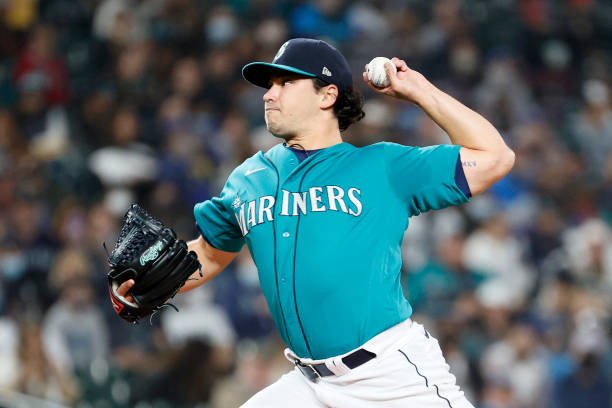
Yet that’s the quiet tension around San Diego right now. They aren’t shopping at the top of the rotation market. They’re shopping for survivability. For arms that can keep games from unraveling while the rest of the roster tries to carry the weight.
The minor-league label doesn’t soften the message. If anything, it sharpens it.
Because invites like this only matter when a team believes there’s a real chance the player is needed. Gonzales isn’t here to be a story. He’s here because the Padres can’t be certain they won’t need him by May.
And that’s uncomfortable.
There’s no guarantee he makes the roster. There’s no guarantee he’s healthy enough to matter. There’s not even a guarantee he looks like a major league pitcher in camp. But the Padres made the call anyway—because uncertainty forces decisions teams don’t love making.
If Gonzales succeeds, it will be framed as a savvy, low-cost depth win.
If he doesn’t, it will disappear quietly, just like the signing itself.
Either way, the move leaves behind an unmistakable signal: San Diego is still searching for stability—and willing to look backward to find it.
That’s not panic.
But it’s close enough to feel uneasy.
Leave a Reply