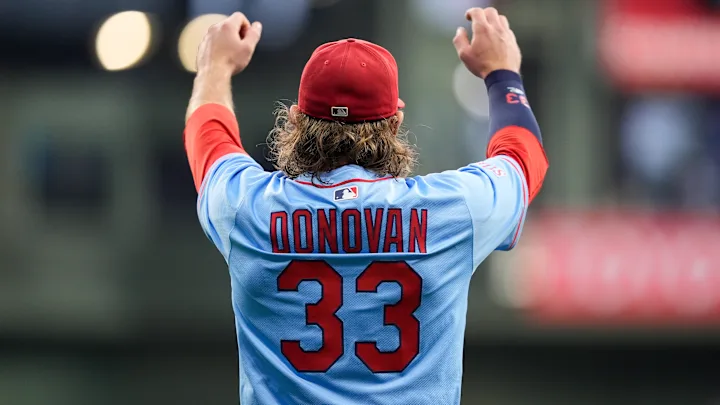
The Seattle Mariners have spent much of the offseason searching for answers at second and third base, and for weeks one name seemed to hover over every rumor: Brendan Donovan. The St. Louis Cardinals infielder checked every box—contact hitter, defensive versatility, left-handed balance, and postseason credibility. On paper, he looked like the solution.

Yet here we are. No trade. No movement. Just silence.
And maybe that silence is telling Seattle exactly what it needs to hear.
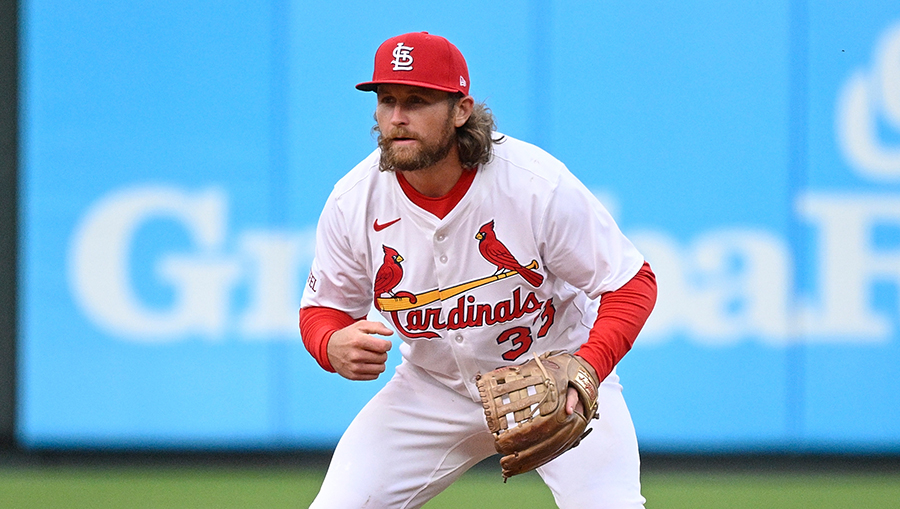
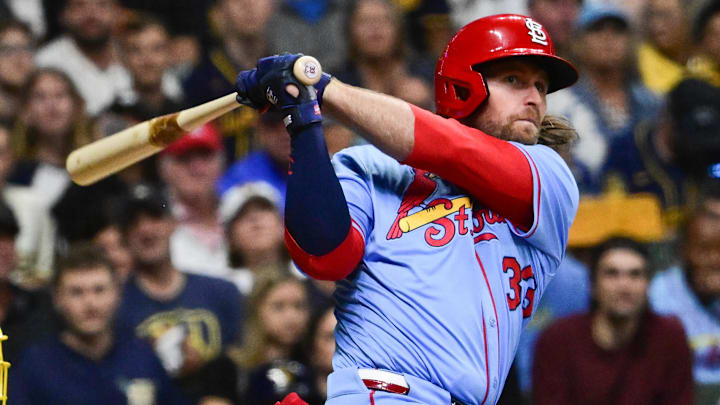
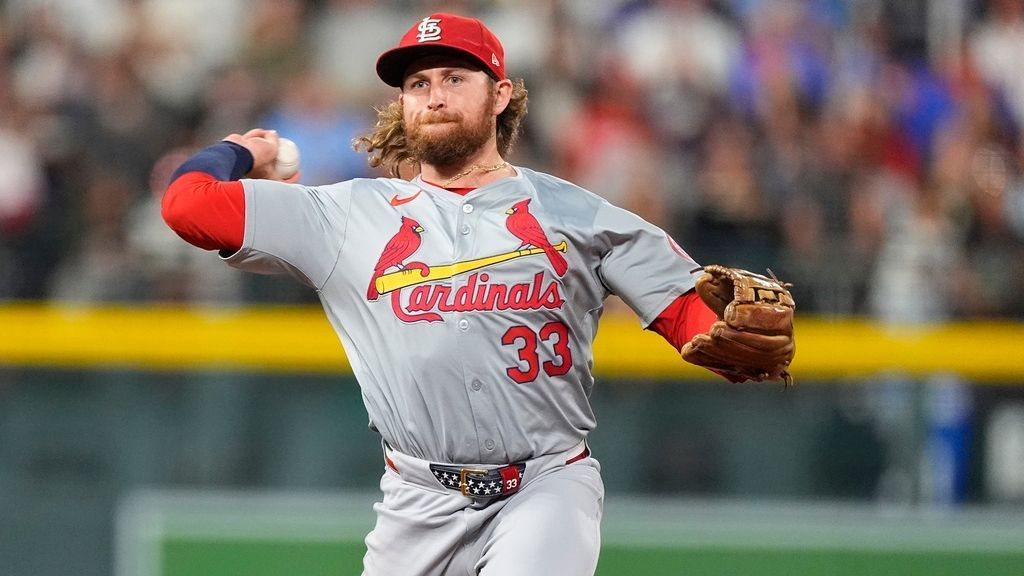
Donovan, now 29, is a proven big leaguer. Across four MLB seasons, he owns a .282 career batting average with 40 home runs and 202 RBIs. In 2025, he hit .287 with 10 homers and 50 RBIs while continuing to move seamlessly around the infield and outfield. He even became the first National League winner of the Utility Player Gold Glove as a rookie. For a Mariners lineup that leans heavily on power and strikeouts, Donovan’s contact-first approach would be a natural complement.
But trades don’t happen on paper—they happen on price.
That’s where the problem lies. The Cardinals and Mariners don’t see Donovan through the same lens. St. Louis, now under new general manager Chaim Bloom, reportedly wants a starting pitcher in return. Seattle, meanwhile, has spent years carefully building one of the deepest, most cost-controlled rotations in baseball. Asking for an arm isn’t just aggressive—it cuts directly into the Mariners’ organizational identity.
At some point, “fit” stops mattering if the cost threatens the foundation.
There’s also timing. The Cardinals are not expected to contend in 2026. They’re in a transitional phase, stockpiling flexibility and future value. Donovan is useful to them now, but by July, his leverage drops. He’ll be closer to the end of his contract, and St. Louis will have clearer incentives to move him for less than an impact pitcher.
For Seattle, that reality changes the calculus. This roster—featuring a strong core of hitters and a homegrown rotation—does not need to panic-buy in January or February. The Mariners can afford to get to the All-Star break, evaluate their internal options, and reassess when the market is softer and desperation tilts in their favor.
That patience matters even more when you consider who’s waiting in the wings.

Colt Emerson, Seattle’s top prospect, is viewed internally as a potential star. A natural shortstop, he’s also capable of handling second or third base. Creating a clear path for Emerson may end up being a hidden benefit of not forcing a Donovan trade now. If Emerson lives up to the hype, the need for an external infielder could vanish entirely—or at least look very different by midsummer.
This isn’t about dismissing Donovan’s value. It’s about recognizing that overpaying for a good player can be worse than waiting for a better opportunity. Bloom has already shown he’s willing to play a long, strategic game in St. Louis. Seattle doesn’t need to be the team that blinks first.
Sometimes the smartest move isn’t the trade you make—it’s the one you don’t.
If July arrives and the Cardinals’ stance softens, the Mariners can re-enter talks from a position of strength. And if Emerson or another internal option emerges, Seattle may look back on this quiet stalemate and realize it wasn’t a missed opportunity at all.
It was restraint.
Leave a Reply