The San Diego Padres didn’t ease into this transition.
They jumped straight into it.
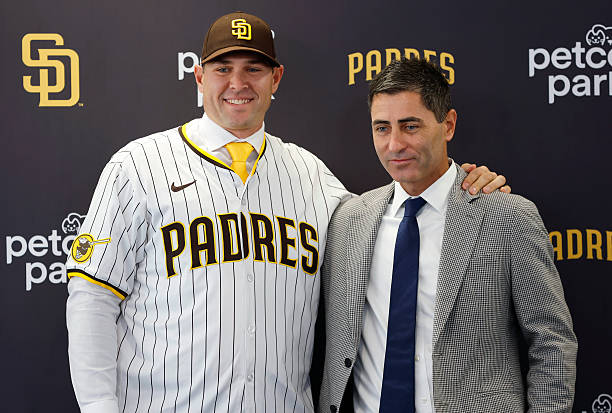
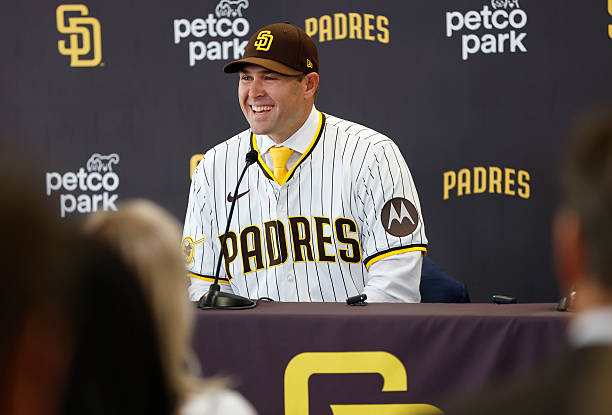
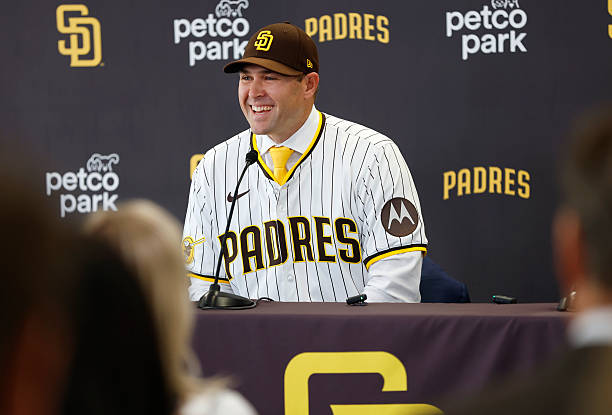
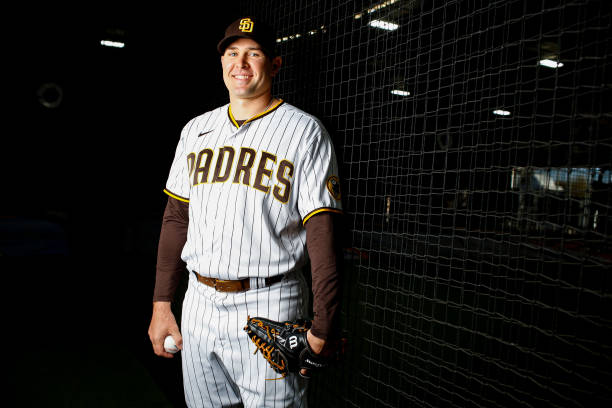
As pitchers and catchers report to Peoria this week, the biggest change inside the Padres’ clubhouse isn’t on the field—it’s in the dugout. Craig Stammen, a reliever just four years removed from his final pitch, is now the man in charge.
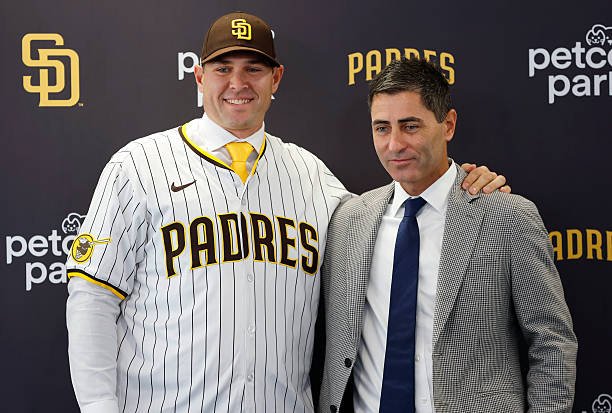
No long apprenticeship. No gradual climb through the coaching ranks. Just a direct move from bullpen presence to clubhouse authority.
And that’s what makes this moment quietly fascinating.
Stammen isn’t walking into an unfamiliar room. He knows the faces. He knows the routines. More importantly, he knows the history.
Seven players on the current roster were once his teammates: Joe Musgrove, Fernando Tatis Jr., Manny Machado, Yu Darvish, Jake Cronenworth, Adrian Morejon, and Luis Campusano.
That familiarity is being sold as an advantage.
Relatability. Trust. Immediate buy-in.
But baseball history has shown that proximity cuts both ways.
Managing players you once joked with, traveled with, and relied on is a different challenge than earning authority from a distance. Boundaries blur.
Expectations shift. Leadership becomes less about strategy and more about tone.
And the Padres are betting that Stammen can navigate that line.
The context matters. This wasn’t a planned succession. Mike Shildt’s departure after the 2025 season caught many by surprise, leaving San Diego searching for stability rather than reinvention.
In that moment, Stammen represented something rare: continuity without disruption.
A familiar voice. A familiar presence. A known quantity.
At 40, Stammen brings something the Padres value deeply right now—credibility earned inside the room. He’s pitched in high-leverage situations.
He understands the daily grind. He knows what players expect when the season stretches and pressure builds.
But managing isn’t pitching.
It’s conflict. It’s accountability. It’s making decisions that won’t be popular with people you still consider friends.
This season will test whether proximity breeds trust—or hesitation.
For players like Tatis and Machado, the dynamic shifts instantly. The man giving direction once stood beside them in uniform. That can inspire loyalty. It can also complicate discipline.
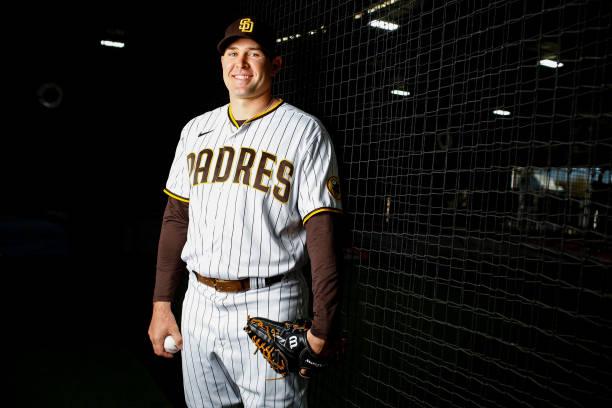
San Diego isn’t framing this as an experiment. Publicly, the message is confidence. Stammen is prepared. He’s ready. He’s the right fit for this moment.
Privately, it’s impossible not to wonder if this move reveals more about the Padres’ state of mind than their long-term plan.
This is a team trying to steady itself. Trying to reduce friction. Trying to believe that internal harmony can unlock performance that has flickered but not sustained.
Spring training will offer the first clues. Who speaks in meetings. Who challenges decisions. How Stammen handles early adversity when relationships are no longer theoretical.
Because the real test won’t come when things go smoothly.
It will come the first time he has to say no—to someone who once sat next to him in the bullpen.
And in a season already shaped by unexpected change, the Padres are about to learn whether familiarity is their greatest strength—or their quietest risk.
Leave a Reply