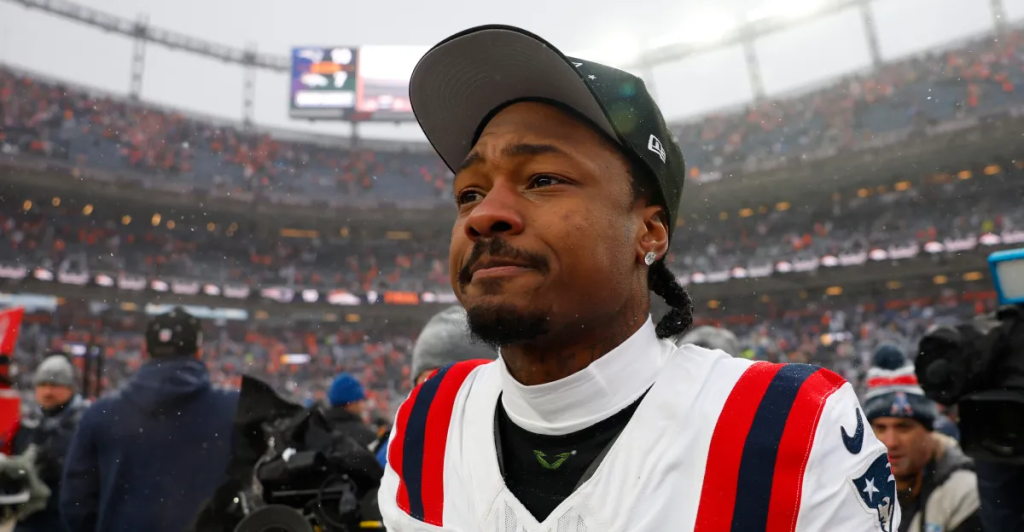
The New England Patriots’ remarkable run ended under a shower of Seattle confetti, but the most lasting image of Super Bowl LX had nothing to do with celebration. It came from the sideline, where Stefon Diggs walked away slowly, eyes heavy, emotion spilling over after another chance slipped through his hands.
For Diggs, this wasn’t just a loss. It was the weight of eleven seasons pressing down all at once.
New England arrived at the Super Bowl riding belief and momentum. A franchise thought to be years away had surged back into relevance behind a young quarterback and a veteran core determined to prove something together. Diggs was at the center of that belief.
But on Sunday night, Seattle controlled the rhythm from the opening drive. Their defense erased space, collapsed pockets, and forced New England to play from behind almost immediately. Drake Maye never found a consistent flow, and the Patriots’ offense spent most of the game searching rather than attacking.
By the time New England reached the end zone late, the deficit had already hardened. The scoreboard read 29–13, but the gap felt larger. When the clock expired, Diggs lingered near the field, visibly shaken, as if trying to process how close — and how far — the moment truly was.
A video captured after the game showed Diggs in tears as he made his way off the field. The image spread quickly, not because it was dramatic, but because it was raw. No helmet, no composure, just a veteran confronting the kind of loss that doesn’t fade overnight.
This season was supposed to be a second act. Diggs arrived in New England on a three-year, $63.5 million deal after a short and frustrating stint in Houston, cut short by an ACL tear the year before. Questions followed him immediately. Was he still elite? Was his best football behind him?
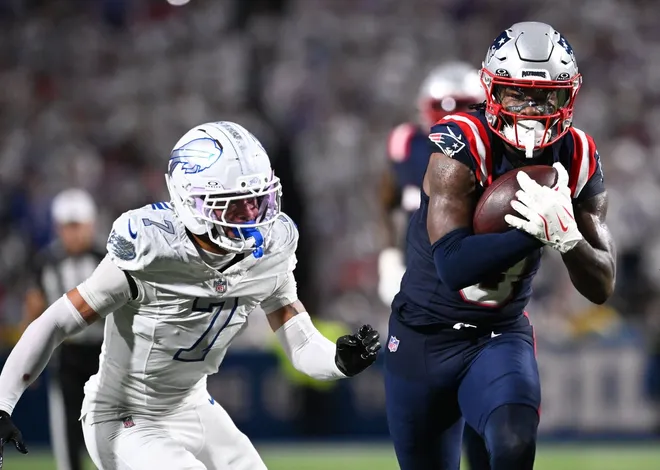
He answered without noise. Diggs finished the regular season with over 1,000 receiving yards, becoming both a security blanket and a mentor for Maye. His presence helped stabilize an offense growing in real time.
The Patriots went 14–3, won the AFC East, and navigated a brutal playoff path. Wins over the Chargers, Texans, and Broncos pushed them to their first Super Bowl appearance since the Tom Brady era. For Diggs, it felt like validation — proof that the long road still led somewhere meaningful.
After the AFC Championship victory in Denver, Diggs spoke through tears, calling the journey “worth it,” adding quietly, “We’ve got one more.”
That sentence lingered.
Super Bowl LX was supposed to be the answer to years of near-misses, trades, injuries, and reinvention. Instead, it became another marker in a career defined by excellence without the one thing players chase the longest.
Eleven seasons in, Diggs remains one of the most productive receivers of his era. The numbers support it. The respect around the league confirms it. But rings don’t measure effort or longevity. They measure timing.
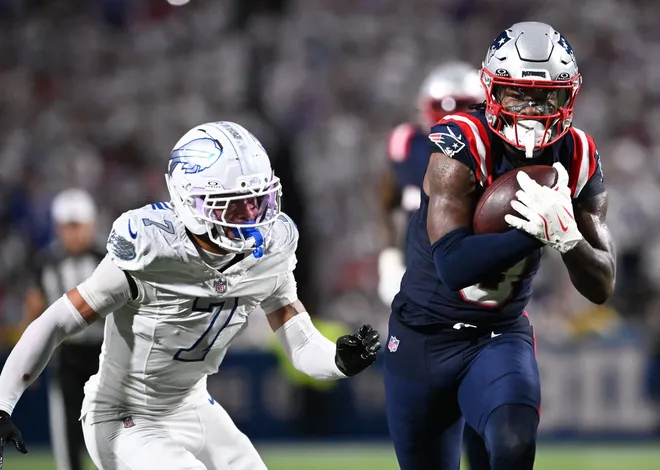
Sunday night was cruel in that way. Diggs wasn’t invisible. He wasn’t ineffective. He was simply on the wrong side of a defense that never loosened its grip.
As the stadium emptied and celebration echoed elsewhere, Diggs’ tears told a story no stat line could finish. It wasn’t about one game. It was about how narrow the margin is between legacy fulfilled and legacy unfinished.
The Patriots will move forward. The rebuild has accelerated. Another opportunity may come.
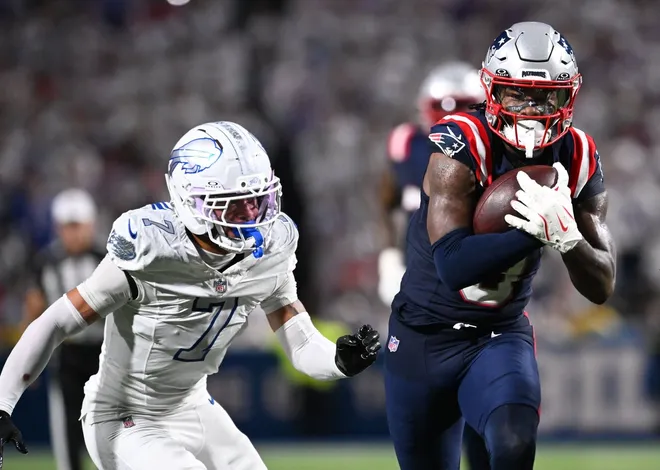
But Super Bowl LX will remain a quiet reminder for Diggs — that reaching the summit doesn’t guarantee relief, and sometimes the longest wait ends not with triumph, but with silence.
Leave a Reply