There’s little argument that Christian Walker’s first season in Houston fell well short of expectations, and Astros fans have responded by assuming the worst possible long-term outcome.
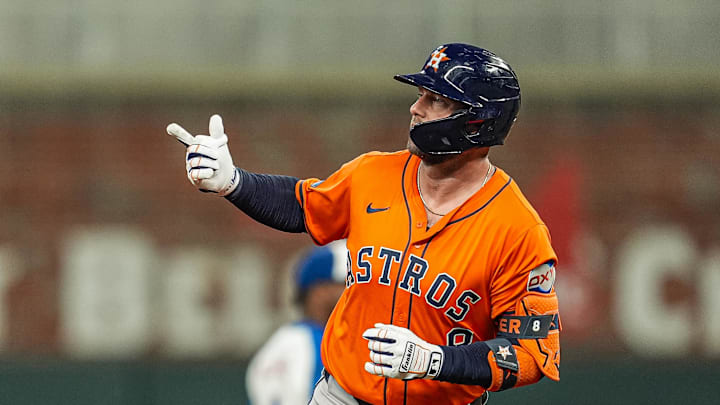
Sep 13, 2025; Cumberland, Georgia, USA; Houston Astros first baseman Christian Walker (8) reacts after hitting a two run home run against the Atlanta Braves during the third inning at Truist Park. Mandatory Credit: Dale Zanine-Imagn Images | Dale Zanine-Imagn Images
The comparison to José Abreu arrived quickly, fueled by similar age curves, early struggles, and the uncomfortable realization that the contract is effectively immovable.
But context matters, and market reality complicates the narrative more than frustration allows.
Walker’s 2025 season wasn’t uniformly poor, even if the final line suggests disappointment.
After the All-Star break, Walker hit .250/.312/.488 with 15 home runs in just 64 games, showing real power resurgence.
That matters, even if skeptics dismiss it as noise.
Yes, Abreu also improved late in his first Houston season before completely collapsing the following year, and the fear is understandable.
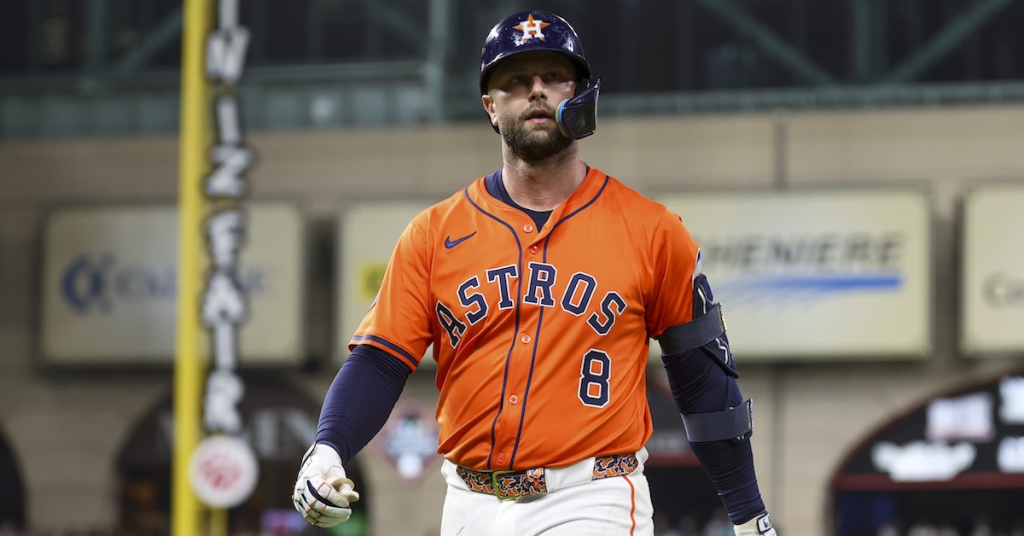
But Walker’s history suggests a different pattern.
This isn’t the first time Walker has struggled through an injury-affected season and rebounded sharply the following year.
In 2021, Walker posted a weak .244/.315/.382 line while dealing with an oblique injury that sapped his power almost entirely.
The very next season, he crushed 36 home runs and finished with an .804 OPS, reestablishing himself as a legitimate middle-of-the-order threat.
That swing matters when evaluating what happened in 2025.
Officially, Walker was not listed among Houston’s walking wounded last season, but that label deserves skepticism.
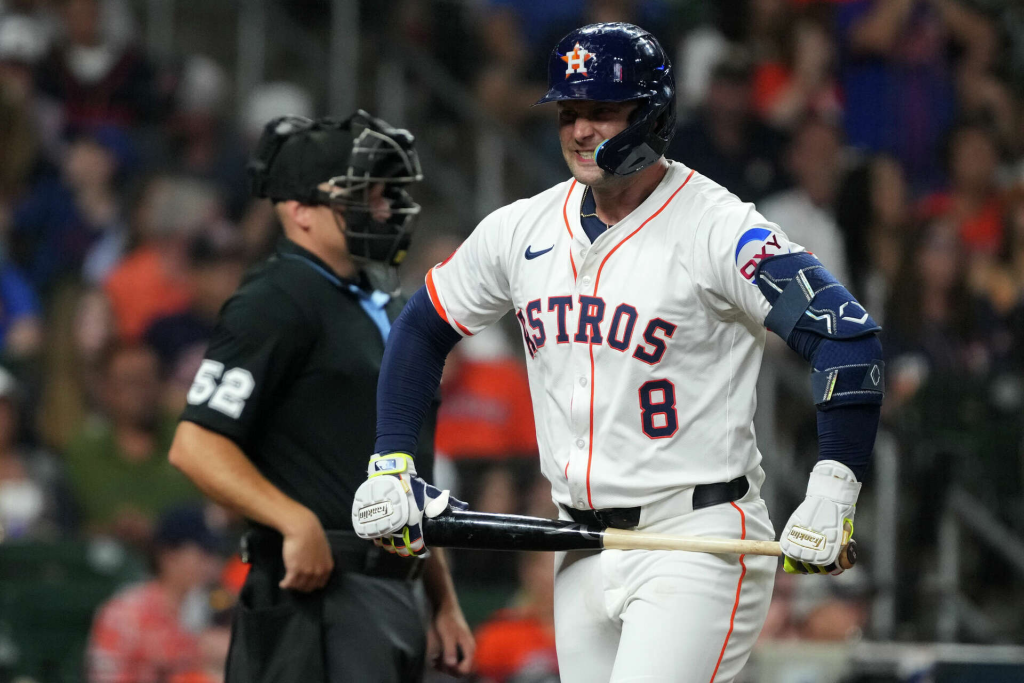
Walker suffered an oblique injury during spring training that was publicly downplayed as minor and manageable.
Given Houston’s well-documented injury mismanagement in 2025, that assumption feels less certain now.
Yordan Alvarez and Jake Meyers both dealt with injuries that were initially minimized before spiraling into extended absences, prompting a complete overhaul of the training staff.
It’s not unreasonable to wonder whether Walker’s oblique lingered quietly.
The statistical parallels reinforce the suspicion.
In 2021, Walker’s OPS dipped to .696, while his first-half OPS in 2025 sat at an eerily similar .660.
More telling, his power metrics suffered most.
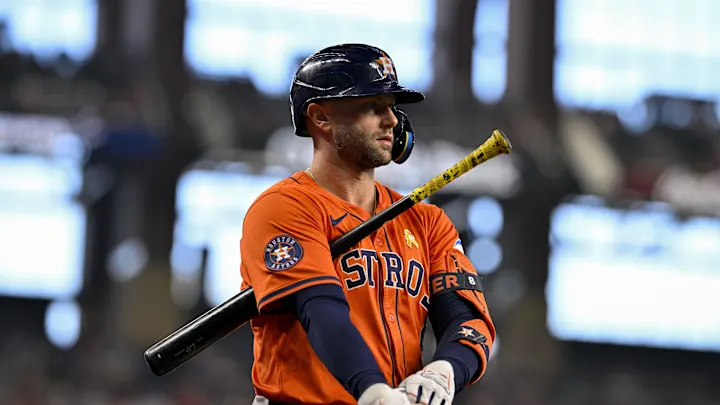
Walker’s ISO dropped to .137 in 2021, nearly mirroring his .145 ISO before the All-Star break last season.
Once healthy, his 2025 second-half ISO jumped to .238, reflecting a meaningful power recovery rather than random variance.
None of this guarantees a full rebound, but it does suggest the floor may be higher than panic implies.
Now consider the market.
Pete Alonso just secured a five-year, $155 million deal, averaging $31 million annually, despite a disappointing 2024 season of his own.
Kyle Schwarber landed $30 million per year while offering minimal defensive value and producing only two seasons of 3 fWAR or more across his entire career.
Walker has four such seasons.
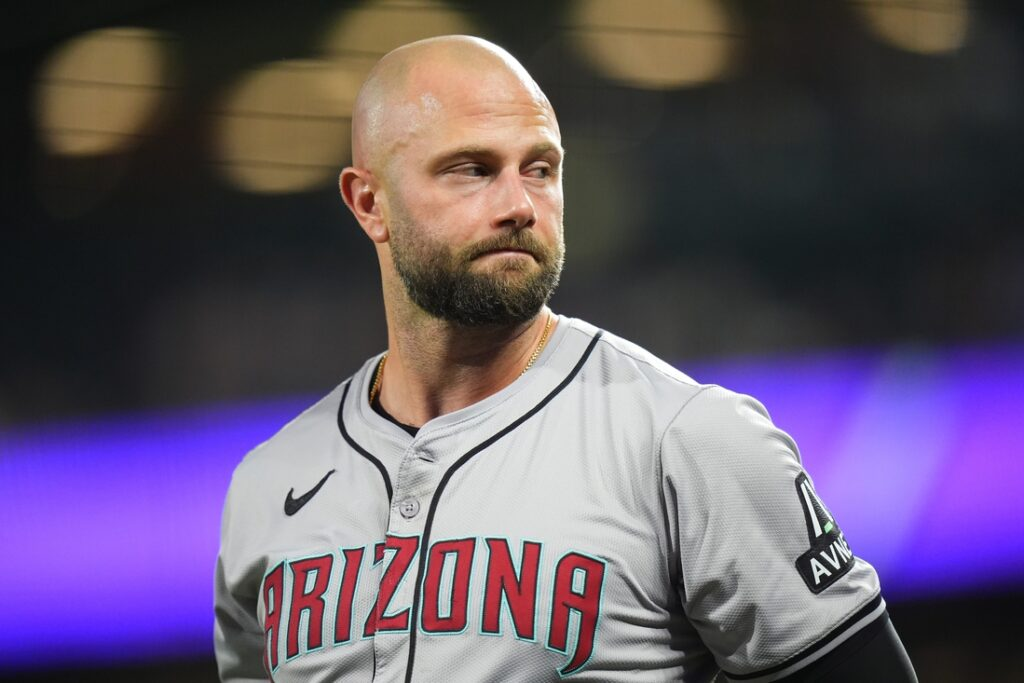
Schwarber’s valleys have been deep, including a .197 batting average season that dragged his overall value despite home-run totals.
Power hitters get paid, even when they come with flaws.
Walker may never reach Alonso’s peak, but his contract reflects a far more modest gamble.
At $60 million over three years, Houston isn’t carrying an unmovable catastrophe.
They’re carrying a risk that aligns with current market behavior.
Maybe Walker rebounds fully in 2026 and the panic fades quickly.
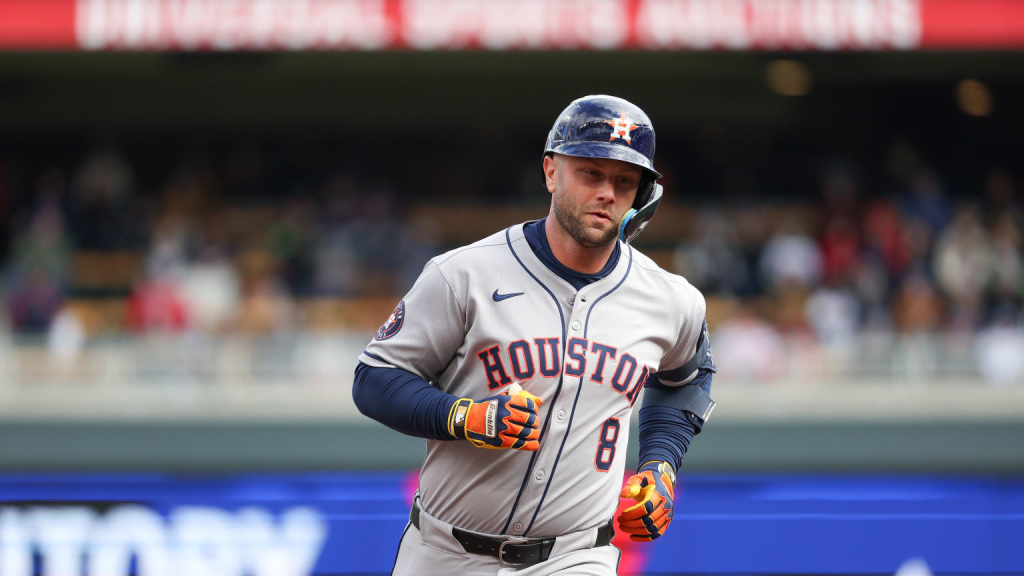
Maybe he remains overpaid but serviceable, producing enough power to justify his lineup spot.
Either way, the deal isn’t the organizational anchor fans fear.
In a market where power costs explode annually, Christian Walker’s contract may quietly age better than expected.
Leave a Reply