Edwin Díaz was supposed to be the answer.
After a chaotic 2025 season that turned late innings into a nightly stress test, the Los Angeles Dodgers finally landed the kind of closer managers dream about.
Power. Swagger. Proven dominance. For Dave Roberts, Díaz represented something simple and rare: certainty.
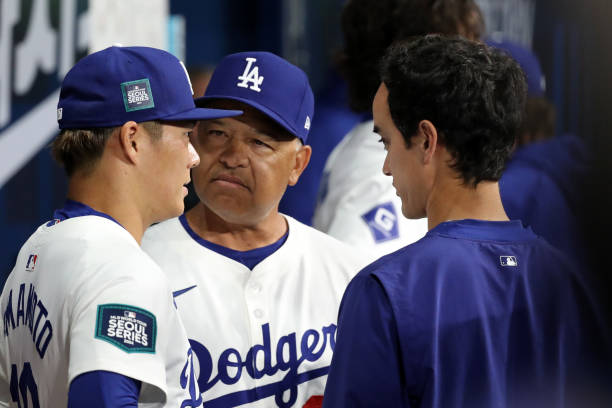
And yet, certainty is exactly what the Dodgers don’t have right now.
Díaz didn’t just bring elite stuff with him from New York. He also brought a memory the organization can’t ignore.
In 2023, while celebrating a World Baseball Classic win for Puerto Rico, Díaz suffered a devastating knee injury—one that erased an entire MLB season and reshaped how teams think about risk beyond their control.
That moment still echoes.
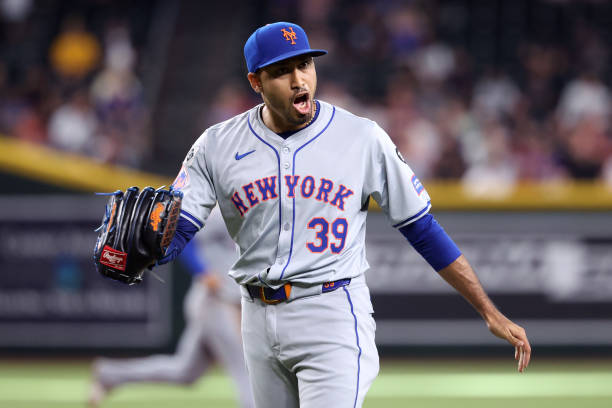
On paper, Díaz stabilizes everything. His 2025 bounce-back was undeniable: a 1.63 ERA, 98 strikeouts in just over 66 innings, and the unmistakable look of a pitcher who had reclaimed his edge.
For a Dodgers team chasing a third straight World Series, that version of Díaz is a luxury most contenders never get.
But baseball doesn’t operate on paper.
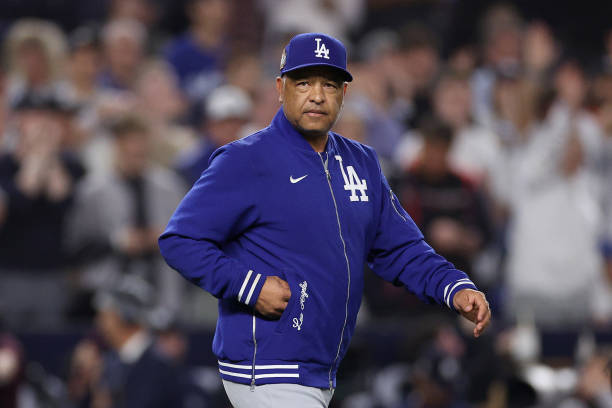
The unease isn’t about performance. It’s about exposure.
Díaz is expected to pitch for Puerto Rico again in the upcoming World Baseball Classic, a tournament loaded with emotion, national pride, and moments that don’t come with pitch counts or October-style caution.
The Dodgers remember what happened last time.
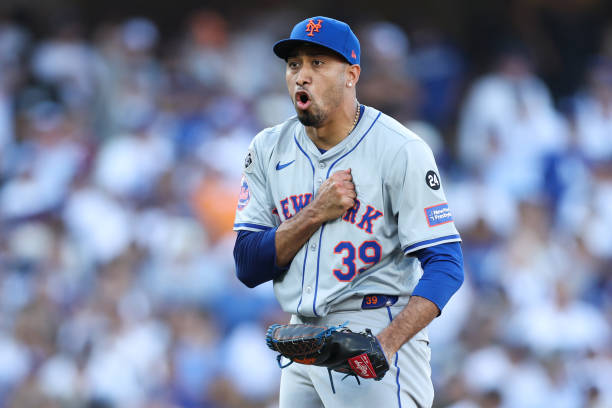
So does Dave Roberts.
The irony is sharp. Díaz chose Los Angeles because winning matters. Because the Dodgers promised opportunity, structure, and the chance to be the final piece of something historic.
In return, the Dodgers accepted not just his talent—but the uncontrollable variables that come with it.
This is where the tension lives.
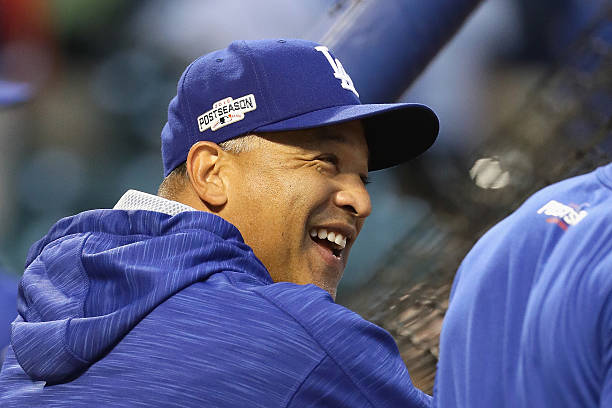
The Dodgers are already being painted as baseball’s villain—the super-spender, the imbalance, the team “ruining the sport.” Díaz’s arrival only adds to that narrative.
But behind the scenes, the concern isn’t public perception. It’s fragility.
What happens if history repeats itself?
There is no obvious Plan B that matches Díaz’s impact. The bullpen depth is improved, but not interchangeable. A closer doesn’t just end games; he defines how the entire staff is deployed.
Remove that anchor, and even the most talented roster starts making uncomfortable adjustments.
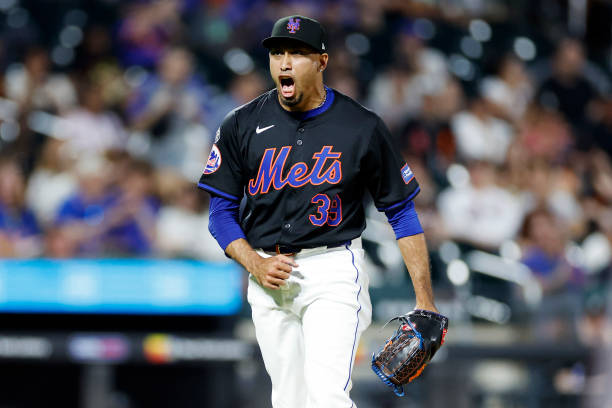
That’s why the Dodgers are watching the WBC so closely.
Not with celebration. With calculation.
Díaz’s dip in 2024—his first year back from the knee injury—served as a reminder that dominance isn’t instantly restored. It takes time. Rhythm. Trust in the body.
The resurgence in 2025 restored confidence, but it didn’t erase memory. Injuries don’t just affect ligaments; they linger psychologically, especially in organizations that build seasons around precision.
The question now isn’t whether Díaz can dominate.
It’s which version of him will arrive in Los Angeles—and under what circumstances.
For Puerto Rico, Díaz represents pride and power. For the Dodgers, he represents control. Those two ideas don’t always coexist comfortably.
National tournaments are unpredictable by nature, and unpredictability is the one thing L.A. has spent years trying to eliminate.
Roberts hasn’t said it publicly. He doesn’t need to.
Every team chasing a dynasty knows this truth: the margin between legacy and regret is thin. The Dodgers aren’t worried because Díaz is unreliable.
They’re worried because they know how quickly the entire equation can change.
Right now, Edwin Díaz is both the solution and the anxiety.
He could be the final lock on a historic three-peat—or the reminder that even the most carefully constructed teams can’t protect themselves from everything.
And until the season begins with Díaz healthy, dominant, and in uniform, the Dodgers’ biggest relief remains just out of reach.
Leave a Reply