The Seattle Mariners didn’t just lose the ALCS.
They learned something uncomfortable.
After a surprise run that ended against the Toronto Blue Jays, Seattle entered the offseason knowing last year’s success changed expectations. They were no longer chasing relevance — they were defending credibility. And that meant getting better, not just different.
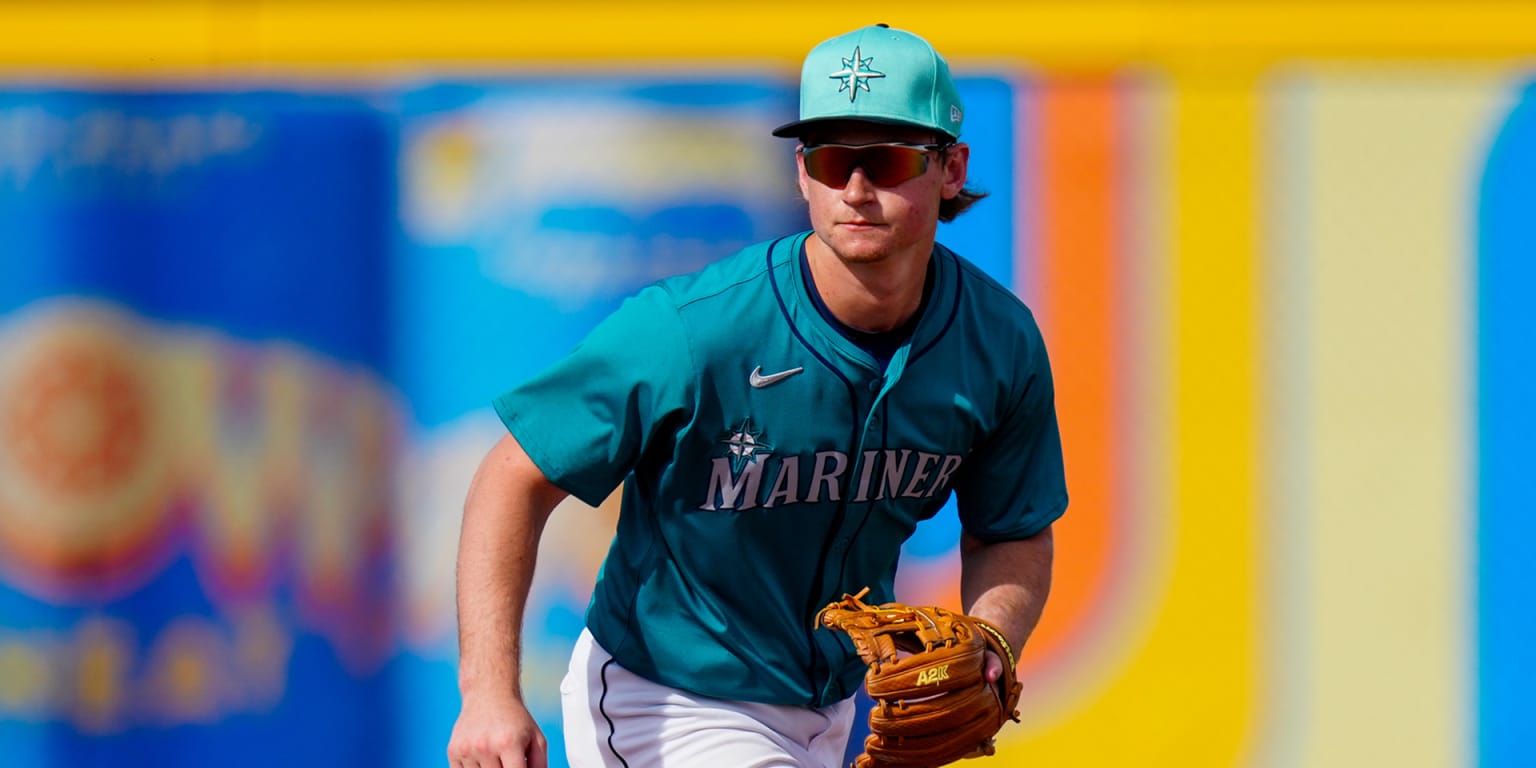
On paper, the front office did exactly that.
Despite losing Eugenio Suárez and Jorge Polanco, the Mariners added Brendan Donovan and re-signed Josh Naylor, injecting versatility and stability into an infield that needed both. Donovan, in particular, looks like a perfect modern solution — a player who can move almost anywhere without creating a hole.
But that solution may have created a new problem.
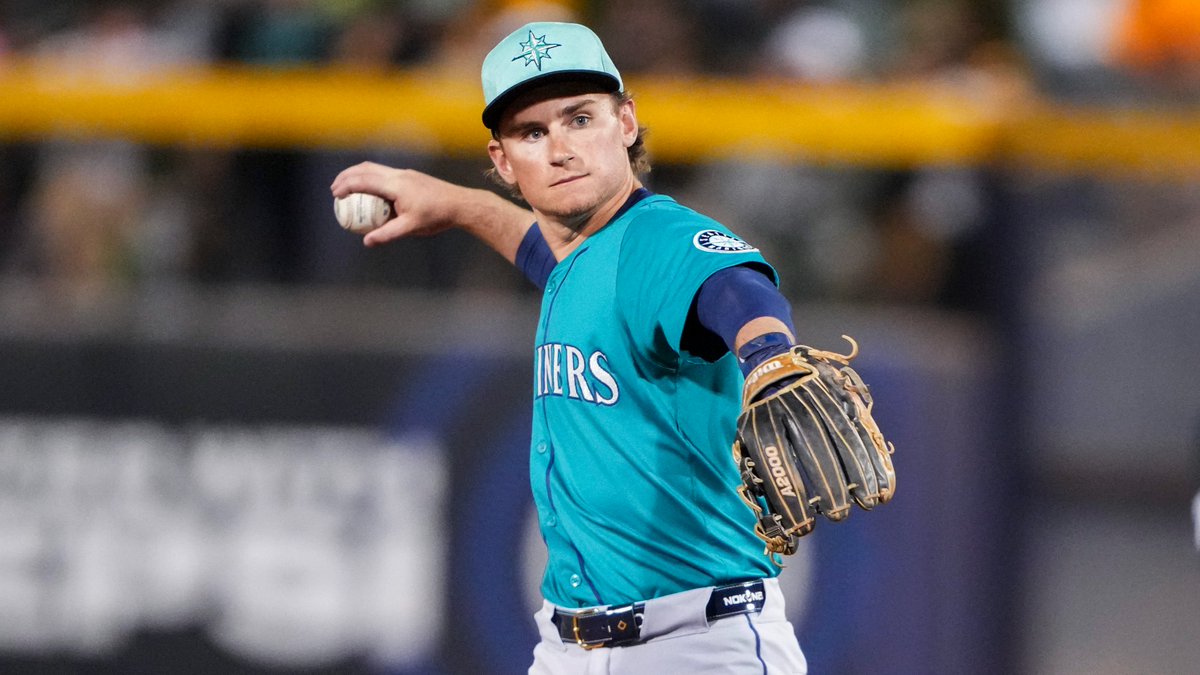
Because while Donovan provides flexibility, he also brings urgency to a question Seattle may not be ready to answer: Is Colt Emerson ready right now?
Inside Mariners circles, that question is no longer hypothetical.
Emerson, Seattle’s top prospect, is only 20 years old — but his timeline is accelerating. According to MLB.com, his bat looks advanced enough to compete immediately, and his defensive versatility has expanded to include second base, giving the coaching staff real options rather than theoretical ones.
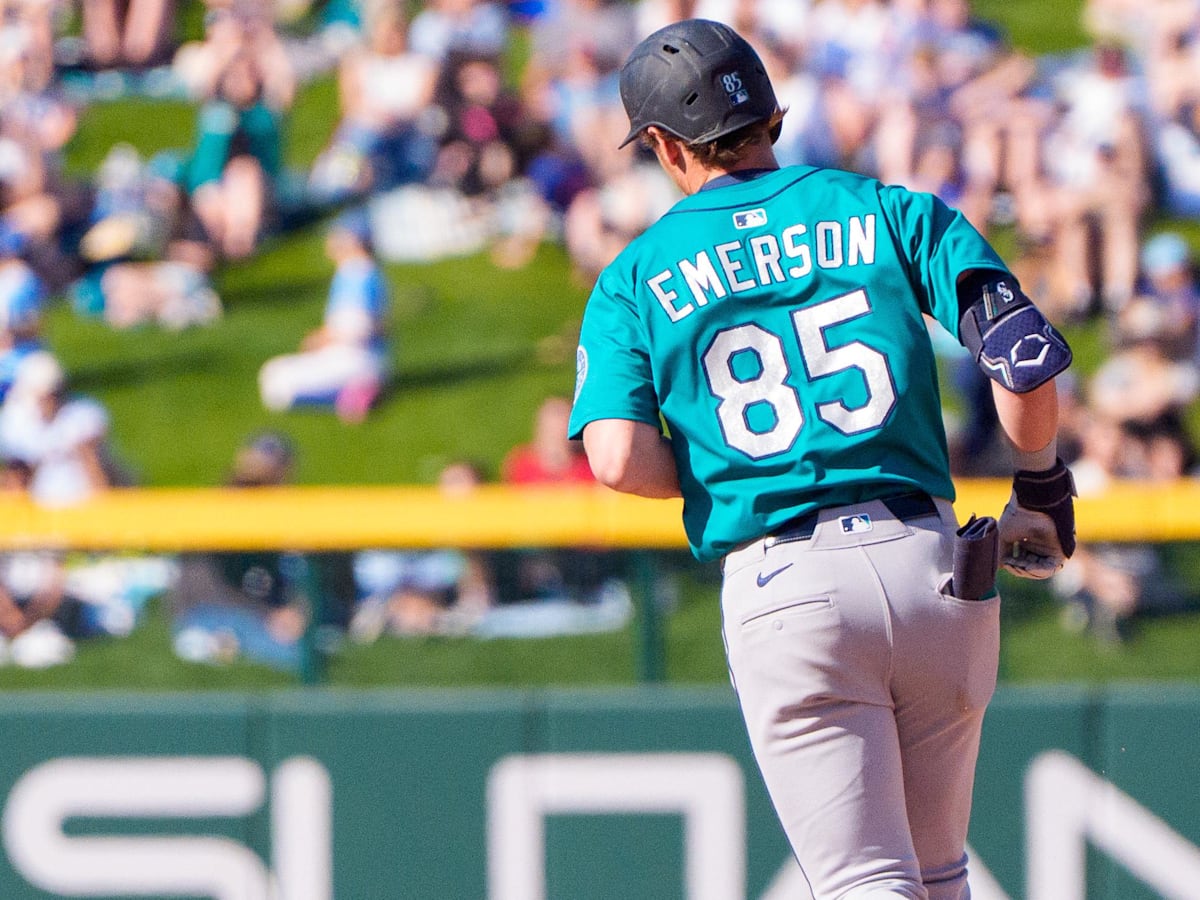
That’s where the tension starts.
With Donovan capable of covering multiple infield positions and Cole Young also in the mix, Seattle suddenly has too many plausible answers for Opening Day. And when a team with postseason expectations has that kind of depth, the wrong decision doesn’t just hurt development — it sends a message.

Do the Mariners stick to patience and keep Emerson in the minors, preserving service time and development control?
Or do they reward performance and risk disrupting a carefully balanced roster?
MLB.com called this one of the most intriguing storylines of the entire Cactus League, and for good reason. This isn’t about whether Emerson belongs in the future. It’s about whether Seattle can justify keeping him out of the present.

That’s not a question teams like to face in March.
Because if Emerson dominates spring training, the argument to leave him behind becomes harder to defend. Fans will see it. Teammates will see it. And opponents certainly will.
And this year, Seattle doesn’t get the luxury of easing into the season.
After last year’s deep playoff run, the Mariners will open 2026 with a target on their backs. Every slow start will be magnified. Every conservative decision will be questioned. In that environment, talent doesn’t just knock on the door — it bangs.
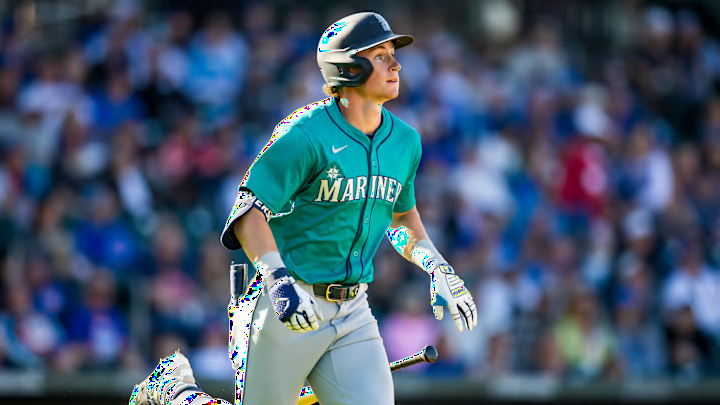
From a roster perspective, this is the right kind of problem. Donovan gives the Mariners coverage. Young offers another internal option. Emerson represents upside that could tilt games rather than merely stabilize them.
But good problems still demand hard choices.
If Seattle delays Emerson and the offense sputters early, the optics won’t be kind. If they promote him too early and he struggles, the criticism will be just as loud.
What makes this different is timing.
The Mariners aren’t rebuilding anymore. They’re competing. And competing teams don’t get to hide behind development timelines forever.
Spring training will reveal more than readiness. It will reveal intent.
Is Seattle comfortable being aggressive with its future? Or will it default to caution, even when the opportunity is staring them in the face?
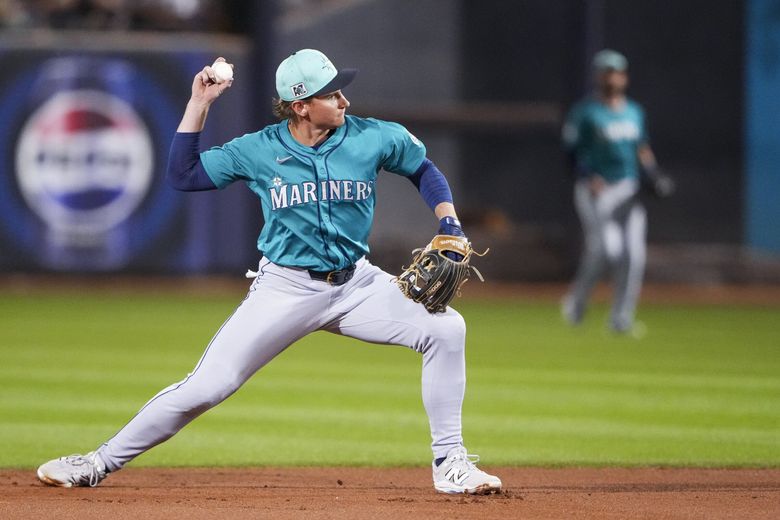
Colt Emerson doesn’t need to say anything.
His bat will do that for him.
And by the end of camp, the Mariners may find that the hardest decision of their season came before Opening Day even arrived.
Leave a Reply