The New York Mets are less than two weeks away from reporting to spring training in Port St.
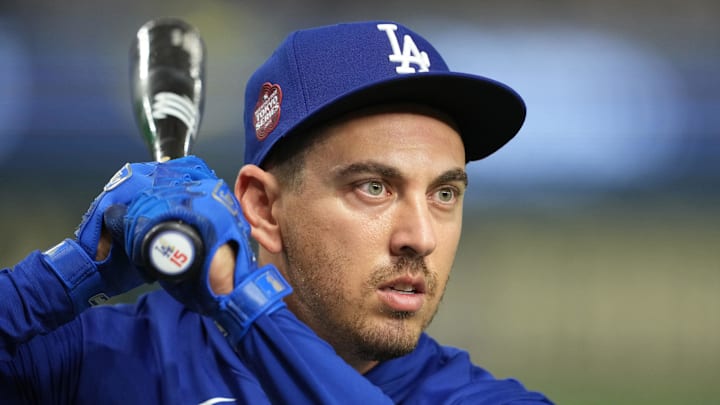
Mar 18, 2025; Bunkyo, Tokyo, JPN; Los Angeles Dodgers catcher Austin Barnes (15) before the game against the Chicago Cubs during the Tokyo Series at Tokyo Dome. Mandatory Credit: Darren Yamashita-Imagn Images | Darren Yamashita-Imagn Images
Lucie — and they just made a move that won’t dominate sports radio, but could quietly matter the moment the season turns uncomfortable.
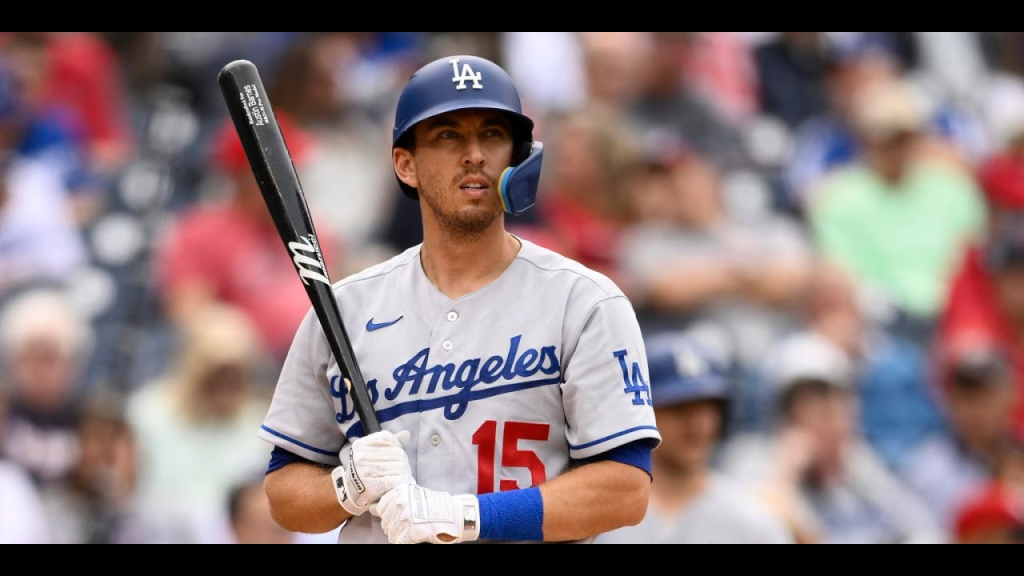
On Thursday, the Mets announced they’ve signed veteran catcher Austin Barnes to a minor league contract, adding another layer of insurance at one of baseball’s most fragile positions.
Barnes, 36, is a two-time World Series champion with the Los Angeles Dodgers and spent 11 seasons in L.A. before being released last May.
It’s the kind of signing that feels “minor” until you remember what happens to teams when their catching depth disappears.
Barnes joins the organization at a time when the Mets’ roster looks strong on the surface, but thin underneath — especially behind the plate.
The team also announced the signing of Craig Kimbrel to a minor league deal, but it’s Barnes’ arrival that feels like the more subtle message: New York is preparing for the grind, not just the headlines.
Barnes’ career résumé isn’t built on flash. It’s built on longevity and trust.
Originally drafted by the Florida Marlins in the ninth round of the 2011 MLB Draft, Barnes was traded to the Dodgers in the blockbuster deal that sent Dee Gordon, Dan Haren, and Miguel Rojas to Miami.
He made his MLB debut in 2015 and, two years later, was even the Dodgers’ Opening Day catcher — a role teams don’t hand out unless they believe you can manage pitchers, handle pressure, and keep the game under control.
Over 11 seasons with the Dodgers, Barnes appeared in 612 games and produced a slash line of .223/.322/.338 with 35 home runs and 162 RBI.
He was best known for his defense, carrying a career .992 fielding percentage behind the plate.
He even logged time at second base, appearing in 60 games at the position — a rare bit of versatility for a catcher, and another sign that he’s been valued for doing the small things well.
For the Mets, that matters.
Because catcher is one of those positions where talent alone doesn’t keep you afloat. It takes durability, communication, and the ability to manage a pitching staff over months of wear and tear.
And if there’s one thing the Mets know entering 2026, it’s that their catching situation can change fast.
Francisco Alvarez is expected to be the workhorse behind the plate this season. He’s a key piece of the Mets’ future — but he’s also dealt with injuries in recent years, the kind that force a team to scramble when the schedule starts tightening.
Luis Torrens filled in admirably last season and is back as the primary backup after avoiding arbitration and agreeing to a one-year deal. That gives the Mets stability at catcher No. 2.
But the third catcher spot — the emergency layer — is where seasons quietly get saved or ruined.
That’s where Barnes enters the picture.
If Barnes has a strong spring training, he’s a natural candidate to open the year at Triple-A Syracuse, ready to step in the moment the Mets need him.
And the Mets have needed that kind of depth before. A minor league contract might not guarantee anything, but it does guarantee the organization won’t be forced into desperation if injuries hit.
It also reshapes the internal hierarchy.
Hayden Senger and Kevin Parada were already part of the Mets’ catching depth chart, but Barnes’ arrival pushes them down the pecking order — not necessarily because the Mets have lost faith in them, but because the team is clearly prioritizing experience and stability over uncertainty.
And there’s another angle here that’s easy to overlook: the clubhouse effect.
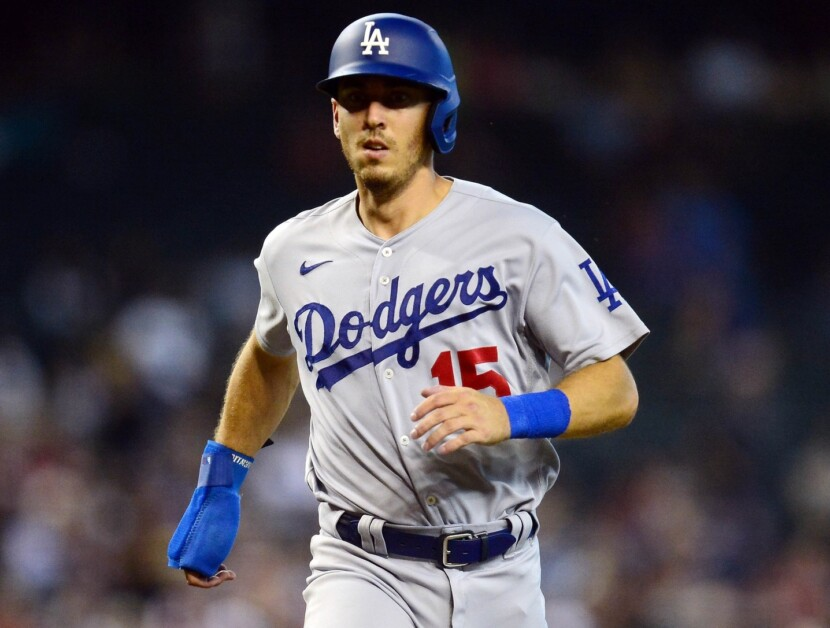
Anytime a player from a championship-caliber organization like the Dodgers enters a new camp, it changes the atmosphere.
Barnes has been in October rooms. He’s caught big games. He’s lived through the pressure cycles that break younger players.
Even if he never plays a major role on the field, his presence can matter in quieter ways — helping young pitchers, supporting Alvarez, and setting a standard for preparation that doesn’t show up in a box score.
The Mets are calling it a depth move.
But depth moves are often what separate playoff teams from teams that collapse the first time adversity hits.
Austin Barnes may never become a headline in Queens. He may never even get a meaningful at-bat at Citi Field.
But if the Mets are serious about returning to the postseason in 2026, they’re making it clear they don’t want to be caught unprepared.
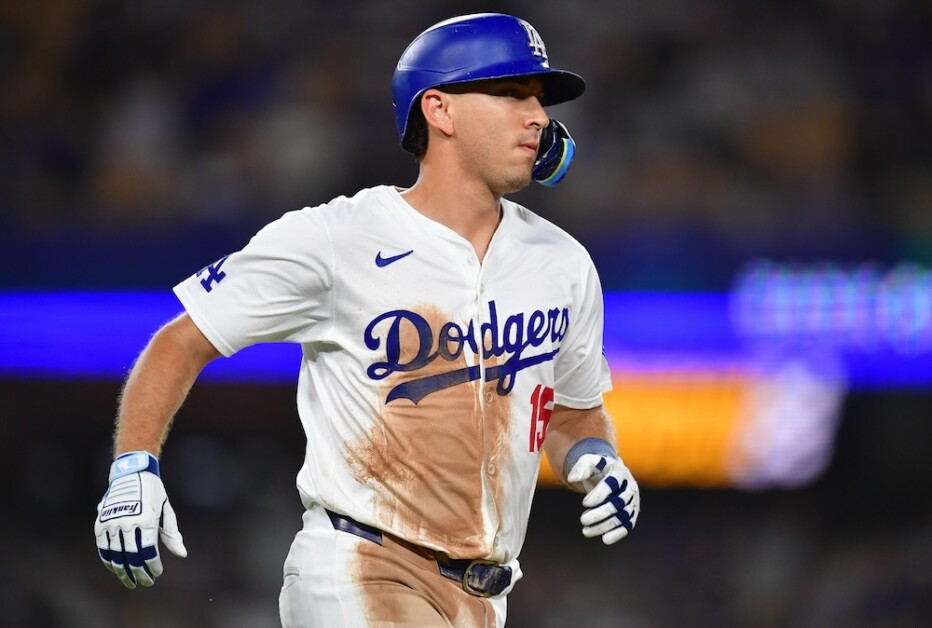
And the uncomfortable question this signing quietly raises is simple:
Did the Mets add Barnes because they want extra catching depth… or because they know they’re going to need it? ⚡
Leave a Reply