The Toronto Blue Jays are building for another World Series run in 2026, aggressively reinforcing their rotation and talking openly about October ambitions.
Yet buried inside the franchise’s pitching history is a quiet truth that refuses to move.
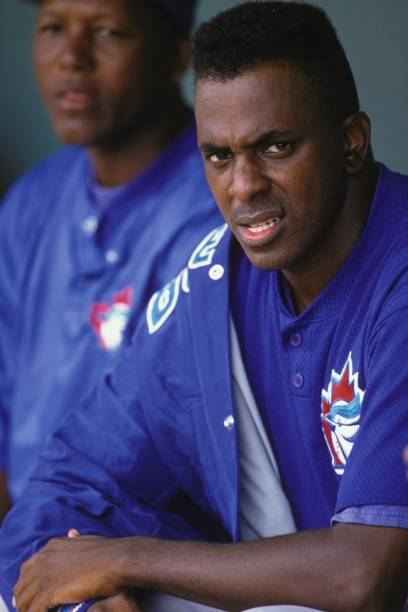
The most dominant single-season ERA performances in Blue Jays history remain largely untouched — not just unbeaten, but unchallenged — and one name still occupies that space twice.
Roger Clemens.
Decades later, his presence atop Toronto’s single-season ERA rankings feels less like trivia and more like a reminder of how rare true pitching dominance has been for the organization.
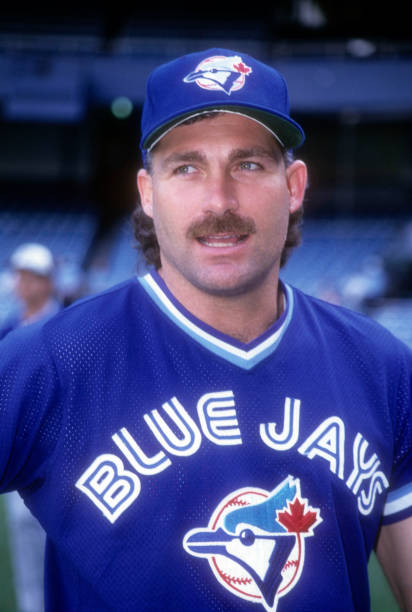
Clemens’ 1997 season stands alone. A 2.05 ERA. Nearly 300 strikeouts. Over 260 innings. It wasn’t just the best ERA in franchise history — it was a benchmark that froze time.
Even his own follow-up season in 1998, with a 2.65 ERA, still ranks inside the top five.
No modern Blue Jays pitcher has come close to dislodging him.
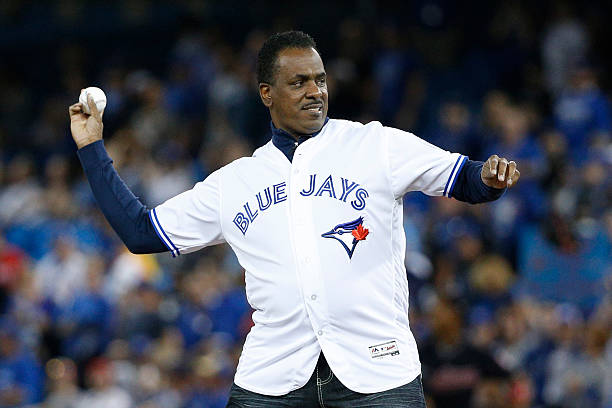
The names beneath Clemens read like snapshots of different eras. Juan Guzmán’s 1992 season, a cornerstone of Toronto’s championship years, delivered a 2.64 ERA built on efficiency rather than spectacle.
Dave Stieb’s 1985 campaign, defined by endurance and control, reflects a time when starters carried workloads that feel almost mythical today.
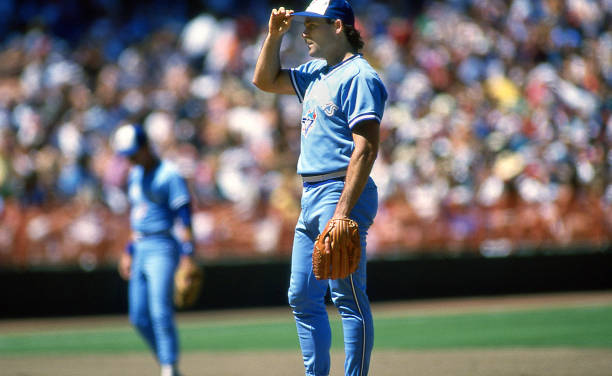
These weren’t fleeting hot streaks. They were seasons that shaped identity.
The only modern name on the list is Alek Manoah — and his presence is bittersweet.
Manoah’s 2022 season, with a 2.24 ERA, briefly suggested that Toronto had finally produced a pitcher capable of joining its historic tier.
He was dominant, confident, and seemingly on the brink of becoming the franchise’s next long-term ace.
Then came the collapse. Injuries. Tommy John surgery. A sudden separation from the organization. Manoah now wears a different uniform, his place in Blue Jays history preserved — but unresolved.
That contrast underscores the larger issue.

Toronto has chased pitching excellence aggressively, but sustained dominance has proven elusive. Free agents arrive. Prospects flash. Rotations evolve. Yet the record book remains stubbornly unchanged, anchored by performances from decades past.
This isn’t an indictment of current talent. It’s a reflection of how rare Clemens-level seasons truly are.
ERA, more than wins or strikeouts, captures consistency. It demands health, command, adaptability, and endurance across six relentless months. Few pitchers, in any era, can deliver that combination at an elite level.
The Blue Jays know this. That’s why the front office continues to invest heavily in arms, layering depth and upside rather than chasing a single savior. The strategy is modern, cautious, and necessary.
But history still whispers.
As Toronto pushes toward 2026 with renewed urgency, the shadow of its past looms quietly behind the optimism. The question isn’t whether the Blue Jays can contend. They already have.
The question is whether anyone in this generation can produce a season so complete, so overwhelming, that it forces the record book to make room.
Until then, Roger Clemens remains not just a name on a list — but a measuring stick frozen in time, reminding Toronto how high the bar once was, and how rarely it has been reached since.
Leave a Reply