The internet never forgets — it just waits.
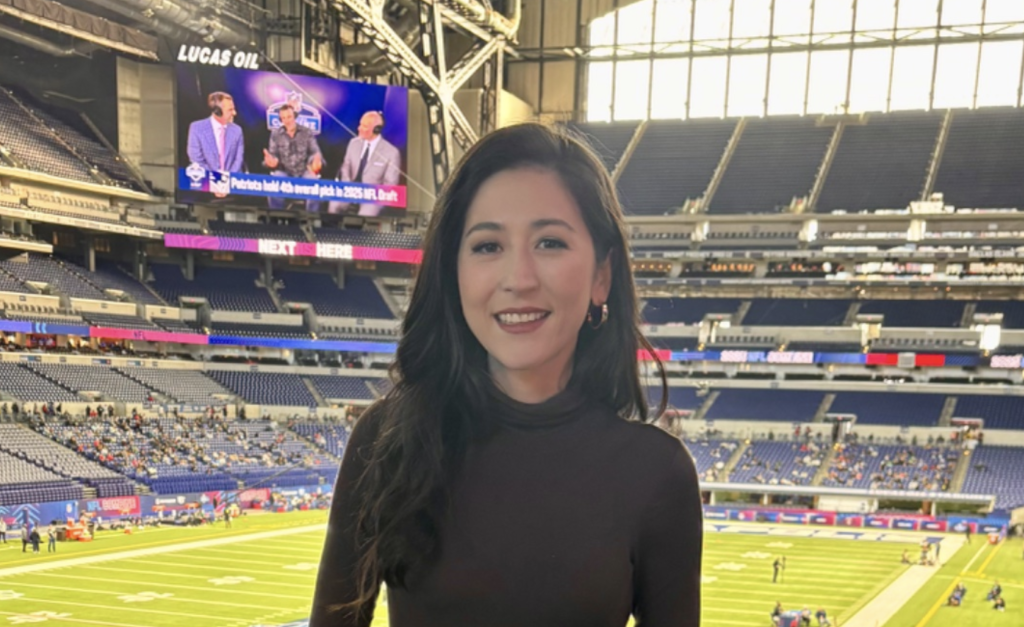
As the Seattle Seahawks celebrated their return to the Super Bowl, an old take resurfaced with uncomfortable timing.
Not because it was malicious. Not because it was reckless. But because it was confident — and wrong in hindsight.
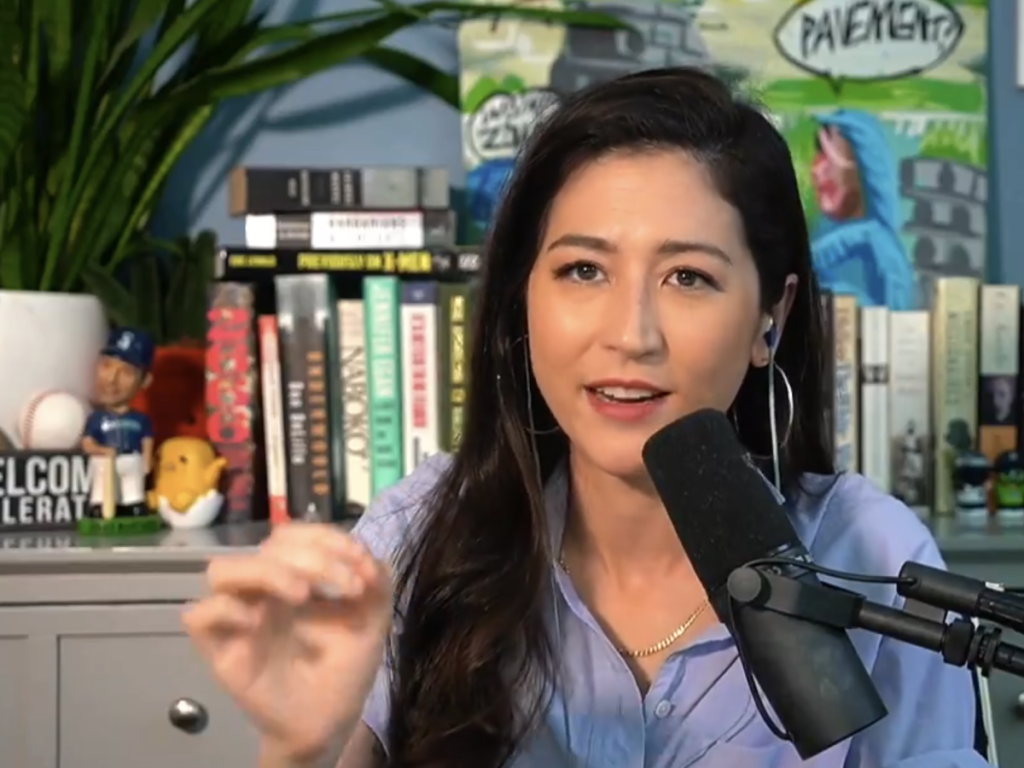
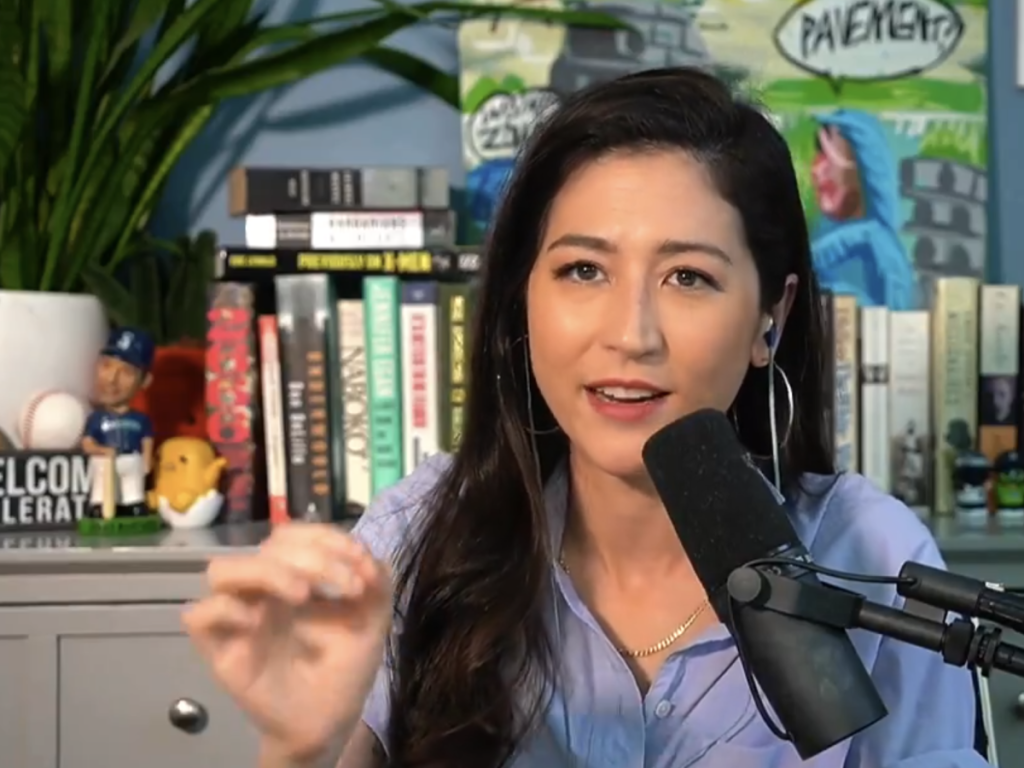
When the Seahawks traded Geno Smith to the Las Vegas Raiders and signed Sam Darnold as his replacement, skepticism followed immediately. Few critics were louder than ESPN analyst Mina Kimes, who summed up the move in blunt terms.
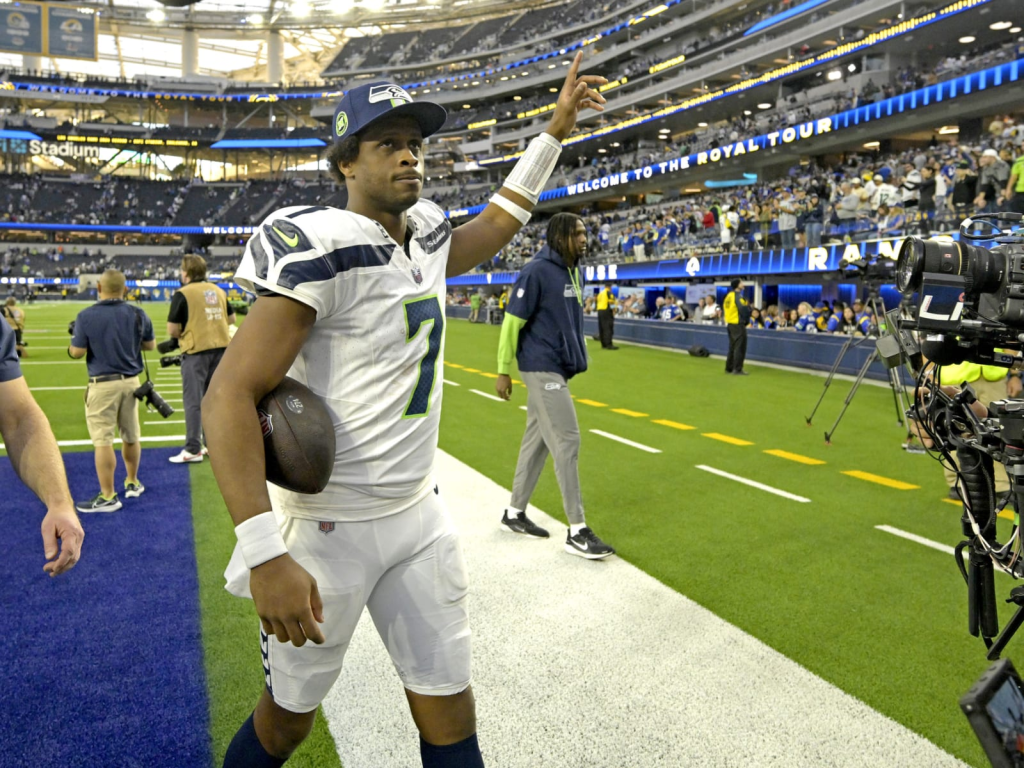
“Flat out: this is a terrible move by Seattle. Chances of upgrading are extremely low,” she posted at the time.
It sounded reasonable then.
Smith had resurrected his career in Seattle. Darnold, meanwhile, carried the weight of past disappointments and backup labels. On paper, the Seahawks appeared to be downgrading at quarterback — a risk many believed would stall their momentum.
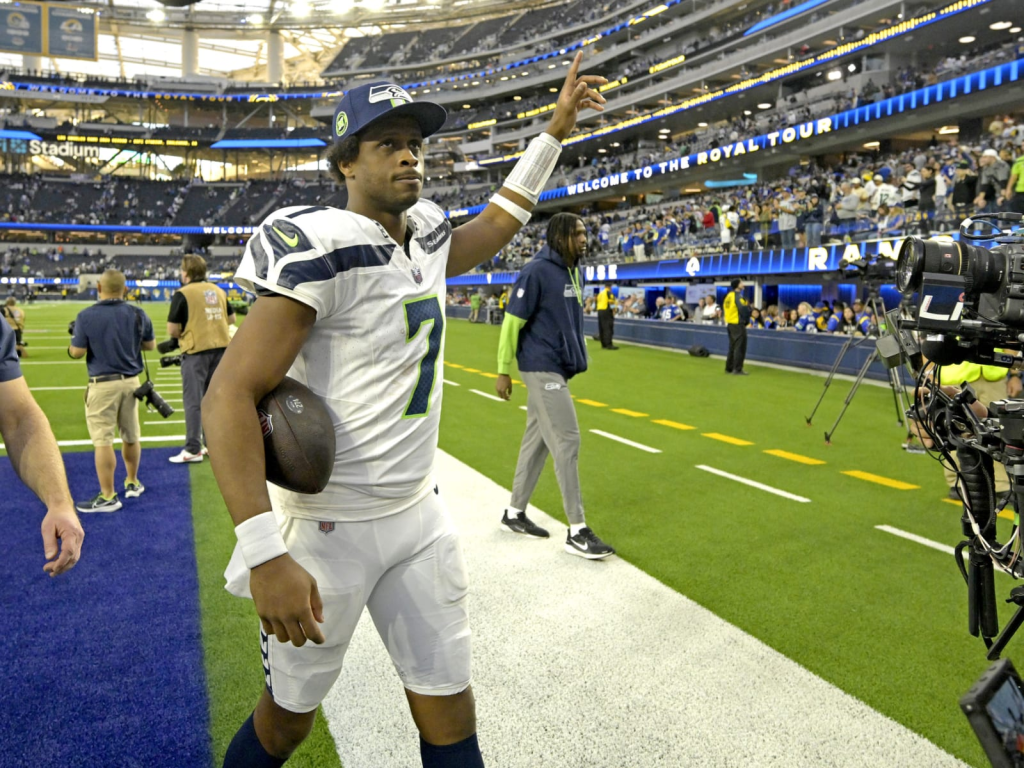
Instead, it accelerated it.
Smith’s time in Las Vegas unraveled quickly. A 3–14 season. Seventeen interceptions, the most in the league. A roster that never stabilized. Less than a year after signing a contract extension, Smith now appears headed toward release.
Meanwhile, Seattle quietly surged.
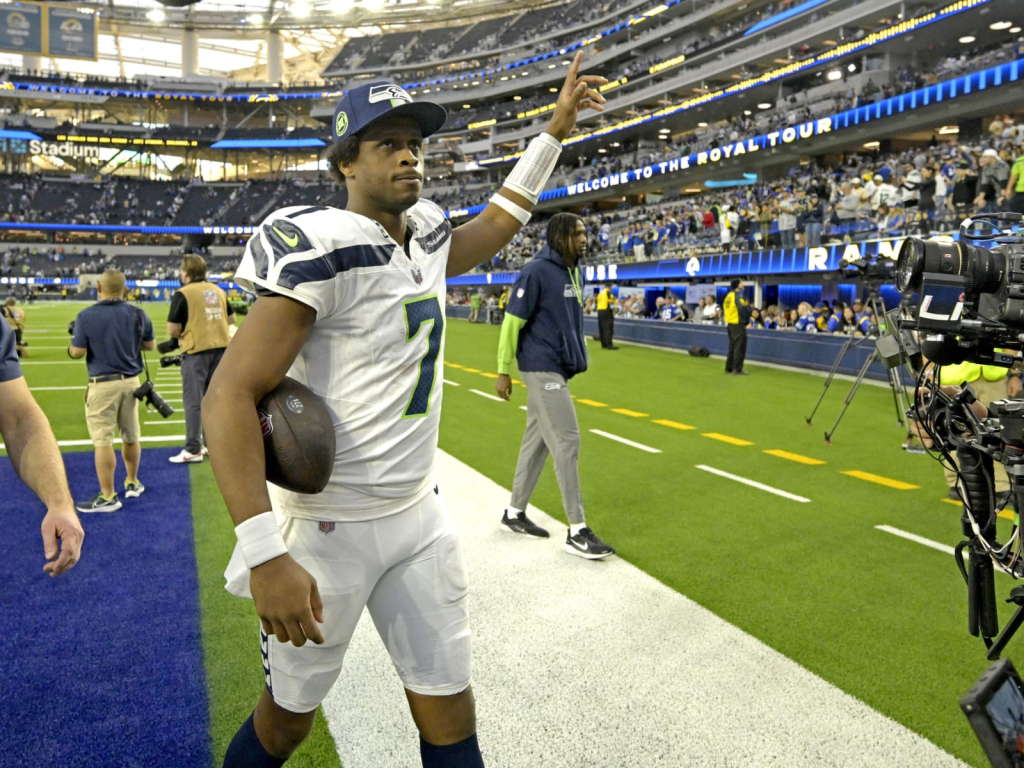
Behind Sam Darnold, a revamped coaching staff, and a roster built on calculated bets, the Seahawks just defeated the Los Angeles Rams to clinch a Super Bowl berth. The contrast couldn’t be sharper.
And that’s why Kimes’ old take didn’t just resurface — it exploded.
Social media didn’t attack the logic of her argument so much as the outcome. Screenshots circulated. Replies piled up. The point wasn’t cruelty — it was inevitability. In a league obsessed with results, process rarely gets the last word.
What complicates the narrative further is how avoidable this all might have been for Las Vegas.
The Raiders could have pursued Darnold instead of trading for Smith. Seattle signed him for less money, and Las Vegas wouldn’t have had to part with a third-round pick. Around the league, there was an expectation that the Raiders would explore Darnold.
They didn’t.
According to reporting, minority owner Tom Brady wasn’t in favor of that approach. His opinion carried weight. The Raiders chose a different path — one that aged poorly as Seattle’s gamble paid off faster than anyone imagined.
That doesn’t mean Geno Smith was doomed from the start. He had success in Seattle. Winning records. Efficient seasons. But the Raiders aren’t the Seahawks. Talent gaps matter. Infrastructure matters. And quarterbacks often wear the sins of their surroundings.
In that sense, Smith may be the biggest casualty of this entire sequence.
Had Las Vegas signed Darnold, the results might not have been dramatically better. But the cost would’ve been lower. The expectations softer. The exit less brutal.
Instead, Seattle looks prescient. The Raiders look impatient. And an analyst’s once-defensible take now lives on as a cautionary screenshot.
This isn’t really about Mina Kimes.
It’s about how quickly certainty dissolves in the NFL. How “safe” opinions can age badly. How bold front offices sometimes win by ignoring the consensus — and how unforgiving the timeline becomes once the games are played.
Seattle took the risk. Geno Smith paid the price. Sam Darnold got the stage.
And the take that once felt obvious now reads like a reminder: in this league, confidence ages faster than film.
Leave a Reply