The debate never really went away. It only went quiet.
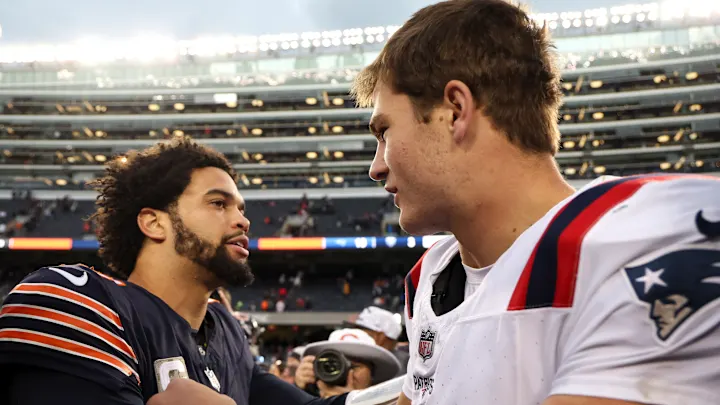
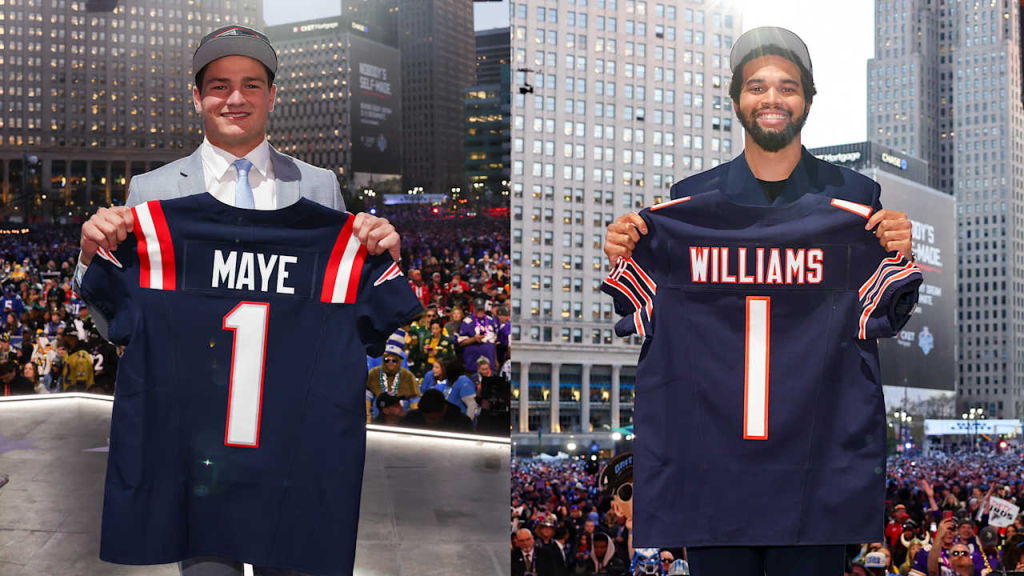
Since the Chicago Bears selected Caleb Williams with the first overall pick in the 2024 NFL Draft, comparisons to Drake Maye have followed both quarterbacks relentlessly. Different styles. Different teams. Different paths — all measured against the same question: did Chicago get it right?
Super Bowl LX didn’t end that conversation. But it shifted it.
Drake Maye reached the game Williams didn’t. That fact alone fueled months of argument. But when the spotlight finally narrowed, when the noise dropped and the stakes peaked, Maye’s performance added an unexpected wrinkle to the narrative.
Against the Seattle Seahawks, Maye finished with 295 passing yards and two touchdowns. On the surface, respectable. Dig deeper, and the picture darkens. Two interceptions. A lost fumble. A Patriots offense that stalled until the game was already slipping away.
Seattle won 29–13. Comfortably.
Maye didn’t lose the game alone. But he didn’t rescue it either. And for a quarterback drafted third overall and now compared directly to the first pick, that distinction matters.
The argument has always leaned on postseason progress. Maye reached the Super Bowl. Williams exited in the NFC Divisional Round. But progress without control can be misleading.
Over four playoff games, Maye completed 58.3% of his passes with six touchdowns — and five total turnovers. Williams completed fewer passes at 52.2%, throwing four touchdowns against five interceptions. Statistically, Maye holds the edge. Situationally, the gap narrows fast.
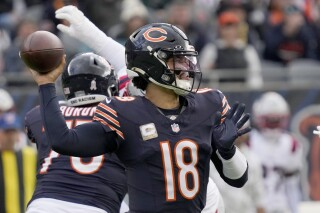
Williams faced defenses built to punish mistakes. Green Bay. Los Angeles. Both secondaries tested him relentlessly. And while the results weren’t clean, the moments were telling.
A fourth-down throw to Rome Odunze under pressure. A game-tying touchdown to Cole Kmet in the fourth quarter against the Rams. Williams struggled — and still answered when it mattered.
Maye’s road, by contrast, was smoother than advertised. The Patriots benefited from postseason opponents who struggled with execution and turnovers. In the AFC Championship Game, New England scored just 10 offensive points against a Denver team missing its starting quarterback.
That context doesn’t erase Maye’s achievement. It reframes it.
Super Bowls are where narratives harden. They’re where quarterbacks either elevate chaos or get swallowed by it. Seattle’s defense overwhelmed New England, and Maye never fully adjusted. Six sacks. Three turnovers forced. A rhythm that never returned.
For Bears fans watching from home, the takeaway wasn’t celebration. It was relief.
Not because Maye failed — but because he looked human. Vulnerable. Still learning. Exactly where Williams is.
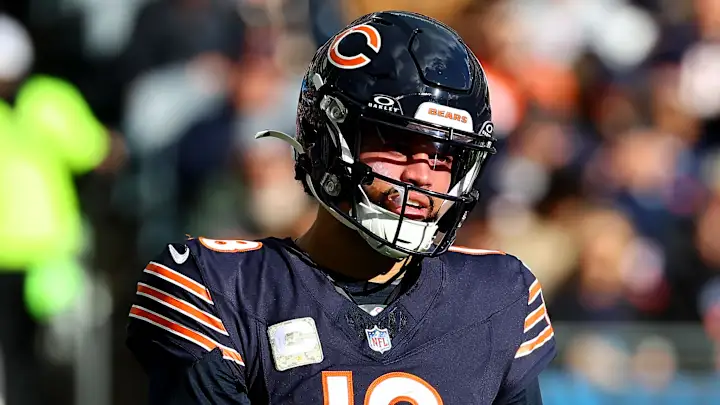
That’s the part often ignored in draft debates. There isn’t a massive gap between these two quarterbacks right now. Williams may be more dynamic outside structure. Maye may be more efficient inside it. Neither has separated. Neither has arrived.
Super Bowl LX didn’t prove Chicago was right. It simply removed the illusion that they were obviously wrong.
Year 3 will be the real inflection point. That’s when quarterbacks stop being evaluated on promise and start being judged on control.
Until then, Sunday night served as a reminder: making it further doesn’t always mean being better. Sometimes it just means arriving earlier to the same lessons.
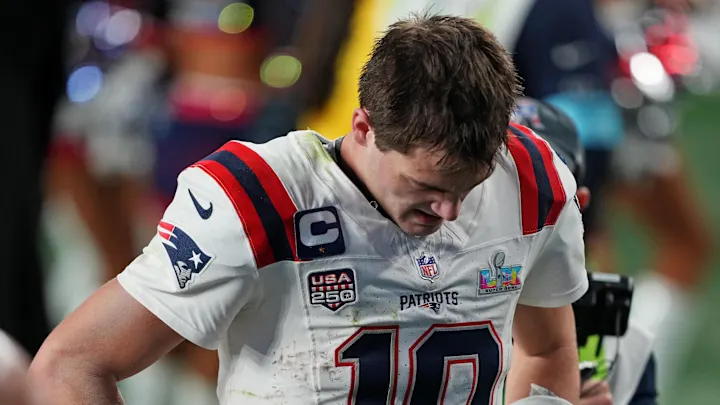
And for Caleb Williams, that realization might be exactly what keeps the debate alive — instead of ending it against him.
Leave a Reply