The Toronto Blue Jays don’t need to be reminded of how close they came. A Game 7 against the Los Angeles Dodgers will live in franchise memory for a long time. But the reality of baseball is cruelly practical: once the offseason arrives, yesterday’s near-misses stop protecting today’s pressure points.
And with Bo Bichette now wearing a New York Mets uniform, a new one has quietly formed.
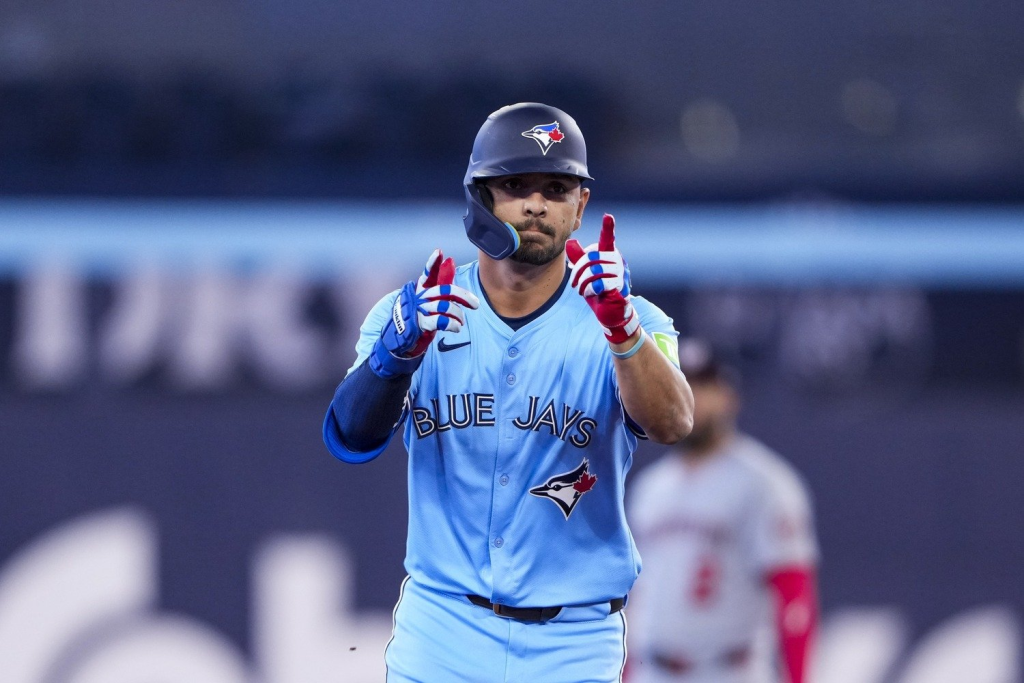
The departure of a longtime shortstop doesn’t just leave a hole on the depth chart. It reshapes expectations. Leadership shifts. Responsibility redistributes. And suddenly, players who once existed slightly outside the spotlight find themselves standing directly under it.
For the Blue Jays, that player is Andrés Giménez.
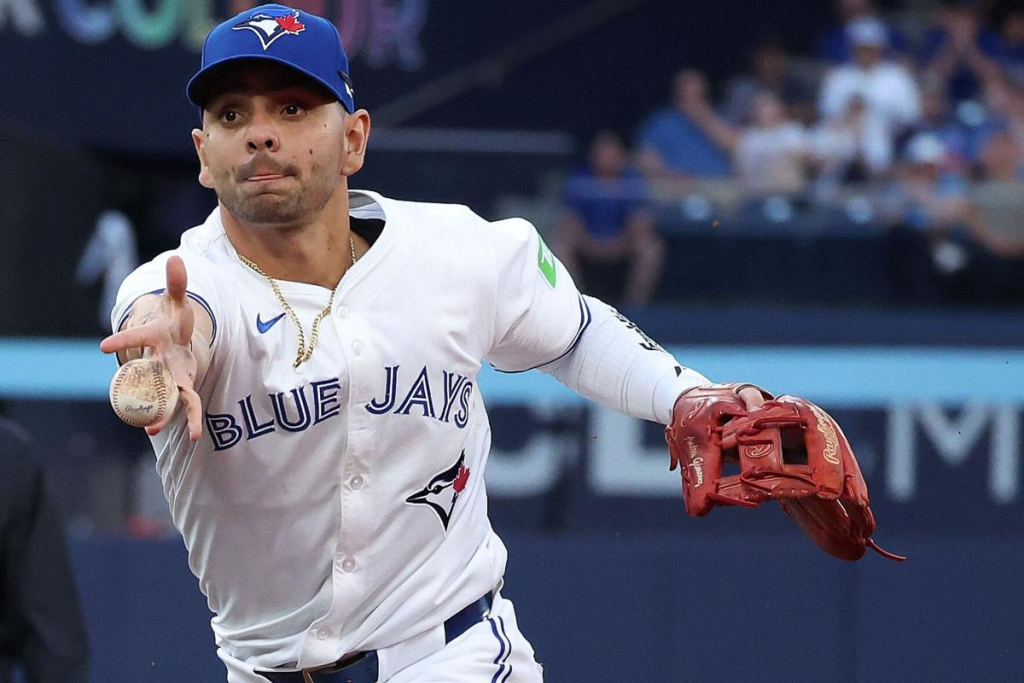
Toronto didn’t acquire Giménez for his bat alone. When they traded with the Cleveland Guardians, they knew exactly what they were getting defensively: one of the best middle infield gloves in the game. That part of the deal held up. Giménez finished his first season in Toronto as a finalist in American League Gold Glove voting at second base, reaffirming his reputation as an elite defender.
What didn’t follow was the offensive contribution the Blue Jays hoped would come with it.
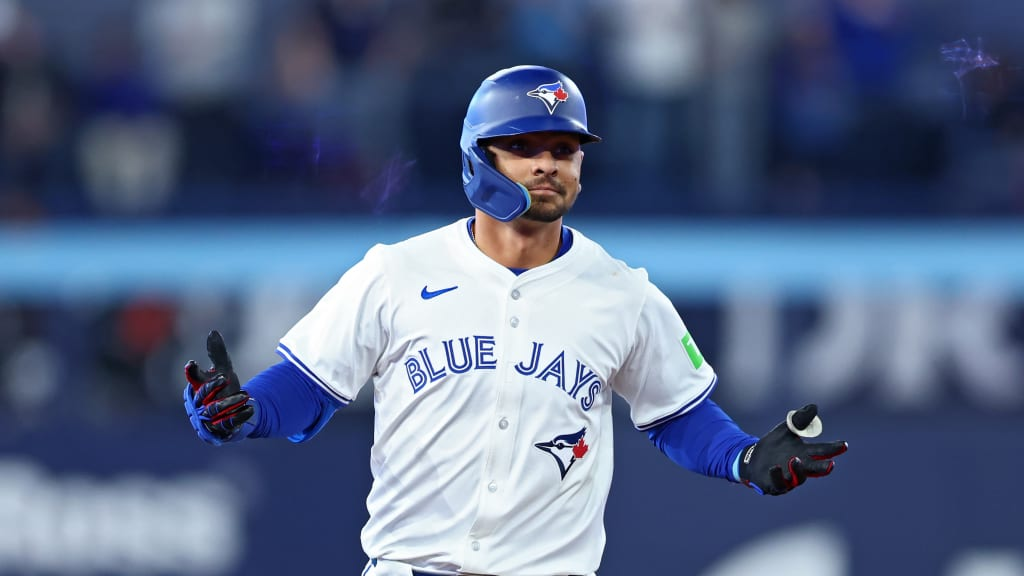
In 101 games, Giménez hit just .210 with a career-low .598 OPS. He produced seven home runs, 35 RBIs, and finished with a 1.7 WAR — numbers that don’t sink a season on their own, but also don’t justify being invisible in a lineup built to contend. Injuries limited his availability, and with fewer plate appearances came fewer chances to find rhythm. But context only goes so far when expectations are rising.
Now, the context has changed again.
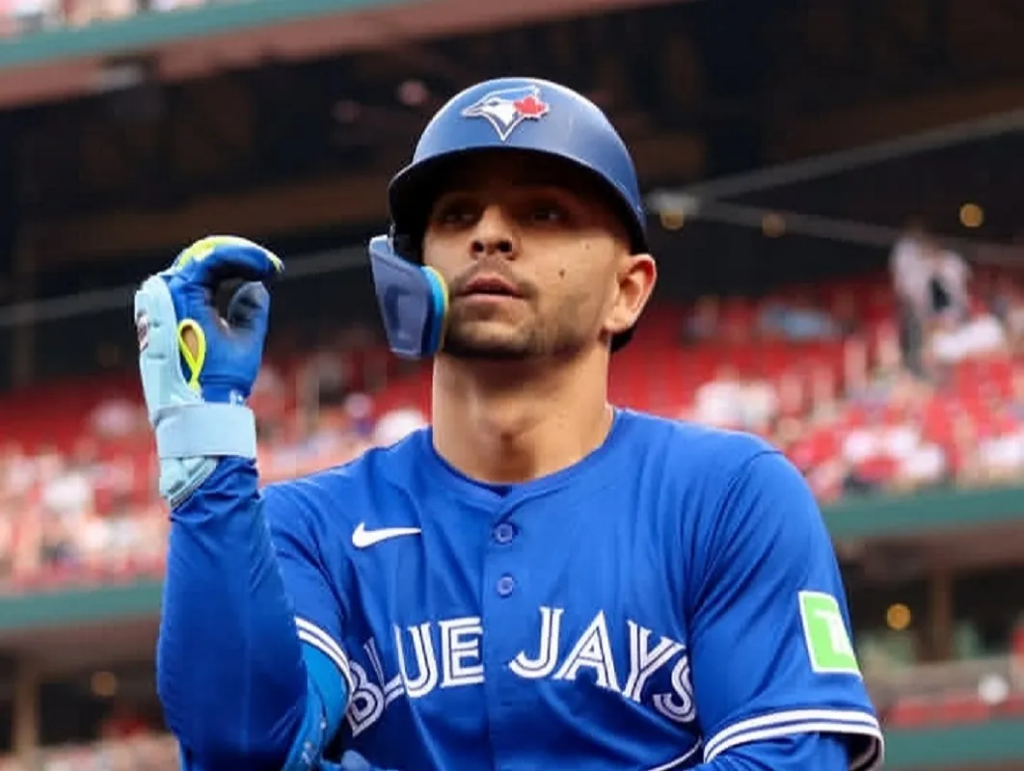
With Bichette gone, Toronto is expected to slide Giménez into the shortstop role, pushing Ernie Clement back to second base after his breakout offensive season and postseason impact. That positional shift doesn’t just elevate Giménez’s defensive importance — it amplifies everything else. Shortstop isn’t where you hide a bat. It’s where you anchor the infield.
And that’s where the pressure quietly becomes unavoidable.
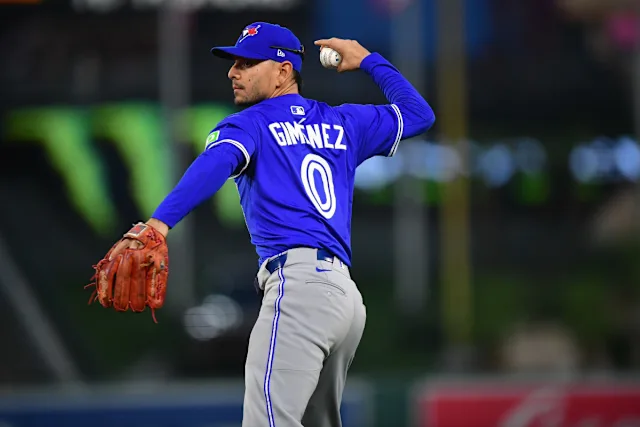
Giménez is still only 27. He’s shown, in previous seasons, that he can be more than a glove-first player. He’s demonstrated on-base ability, average power, and speed on the bases. The upside hasn’t vanished. But last season dulled the belief that production would arrive automatically.
There’s also the contract reality. Giménez is under team control through 2029 after signing an extension in Cleveland, and he’s set to earn just over $15 million in 2026. That’s not superstar money — but it’s not patience money either. Contracts like that come with an assumption: stability, availability, and two-way value.
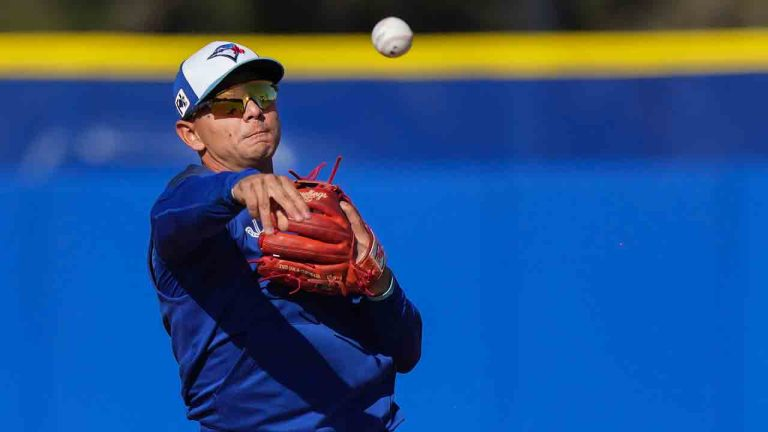
Toronto doesn’t need Giménez to become Bo Bichette. That would be unrealistic and unnecessary. What they need is reliability. They need 140-plus games. They need competitive at-bats. They need a version of Giménez that doesn’t force the lineup to compensate for his presence.
The uncomfortable truth is that this moment arrived without fanfare. No press release declared Giménez the next cornerstone. No announcement framed him as the face of the post-Bichette era. But baseball has a way of assigning roles whether players ask for them or not.
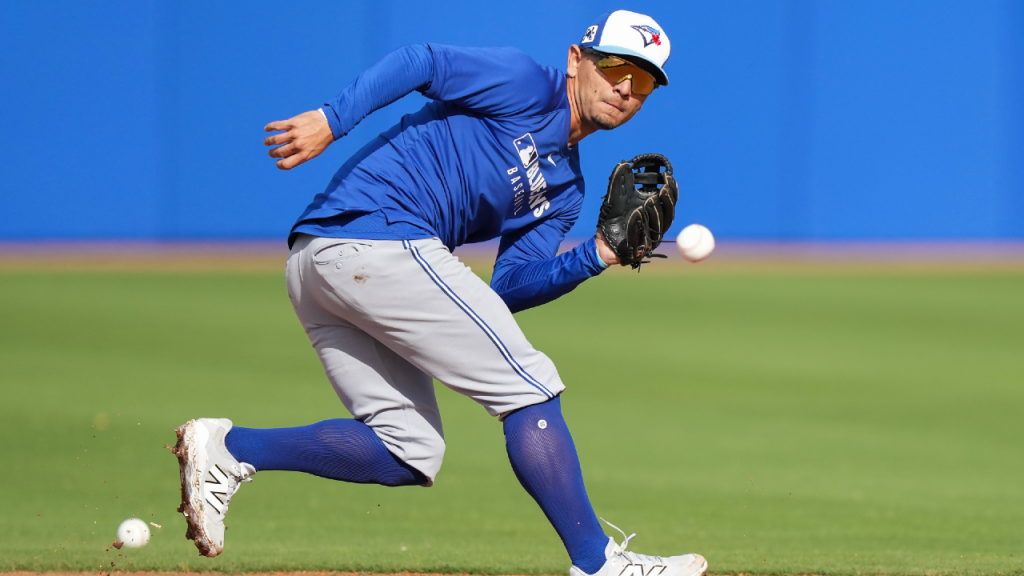
In 2026, Giménez will step onto the field not as an addition, but as a reference point. A measure of whether Toronto’s infield transition is a smooth evolution — or an early warning sign.
The Blue Jays are still built to compete. The core remains strong. The window hasn’t closed. But the margin for quiet underperformance has.
And for Andrés Giménez, the season ahead isn’t about redemption or narrative arcs. It’s about answering a question he didn’t create — but can no longer avoid.
Leave a Reply