Entering the offseason, the Toronto Blue Jays had a clear objective: a big enough offensive blast to change the face of their lineup. Kyle Tucker was at the heart of that plan. And when the chase ended in disappointment, the general feeling was that Toronto had missed the most crucial piece of the puzzle.
But instead of panicking, the Blue Jays took a different approach — and spent their money where they were most confident.
Pitching.
The long-term contract with Dylan Cease was not only the biggest contract in franchise history, but also a statement that Toronto was ready to win in its own way. Rotation was reinforced. Shane Bieber stayed. Cody Ponce was added. On paper, the Blue Jays had enough depth to go into 2026 without needing another pitch.
At least, that’s what people thought.
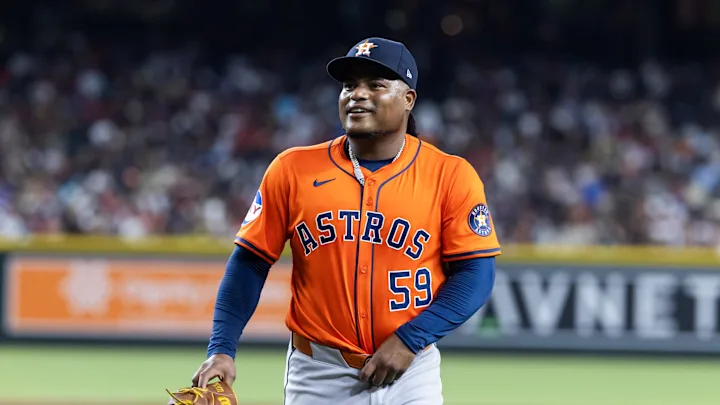
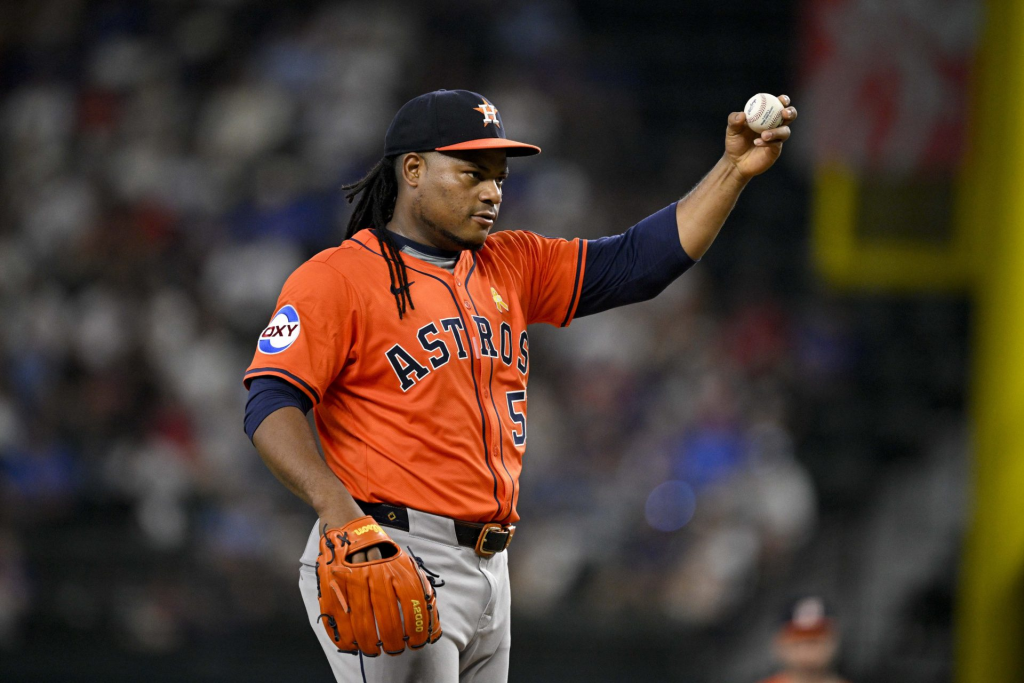
And then, Bleacher Report surprisingly ranked Toronto as one of the five most promising destinations for Framber Valdez — the last remaining ace of the free agent market. Not number one. Not number two. But high enough to make the reader pause.
At this point, that sounds almost absurd.
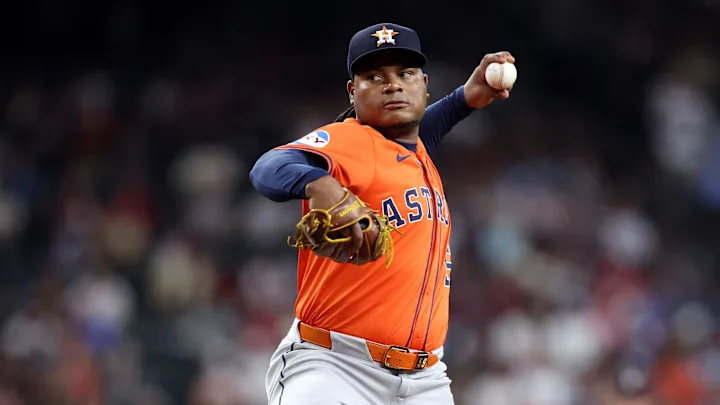
After signing Cease, Toronto seemed to have eliminated themselves from the Valdez race. Payroll wasn’t so comfortable anymore. Rotation was tight. And the most pressing need—offensive—was still unmet. But the fact that Valdez hadn’t signed anywhere yet changed the pace.
As the offseason dragged on, the initial logic began to distort.
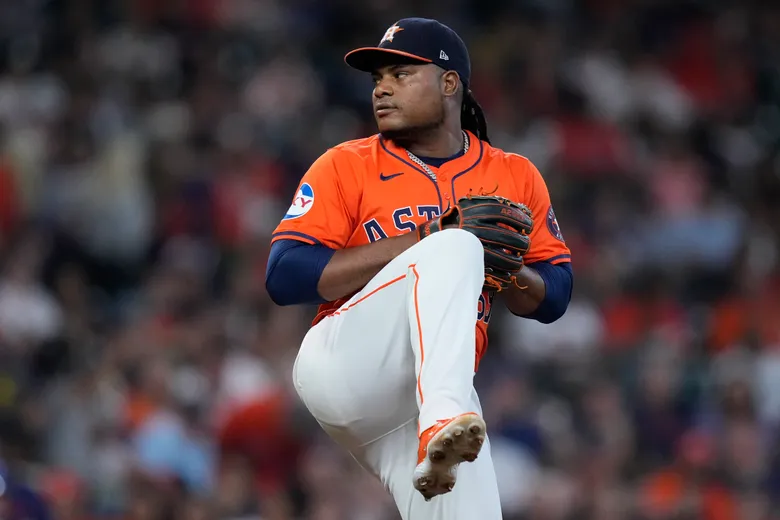
The hitter market was nearly exhausted. Pitchers were still around. And among them, Valdez wasn’t a “February depth arm.” He was one of MLB’s most consistent starters for years—a pitcher who could carry the workload, survive the harsh AL West, and didn’t need shielding.
If Toronto really entered this race, it wouldn’t be because they lacked pitching. It would be because they wanted to be superior.
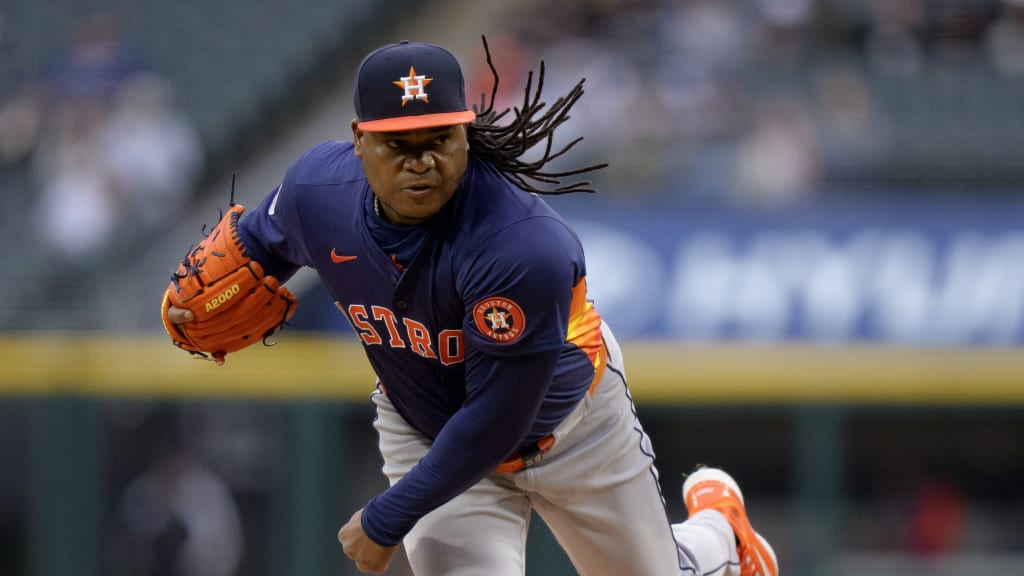
Imagine: Cease and Valdez at the peak of rotation. Trey Yesavage continues to develop. Shane Bieber and Kevin Gausman provide a buffer of experience. Cody Ponce plays the wildcard. It’s not just a deep rotation — it’s a rotation that can withstand injuries, slumps, and a grueling schedule without collapsing.
At a time when the postseason is increasingly a battle of pitching rather than lineup, that’s very real.
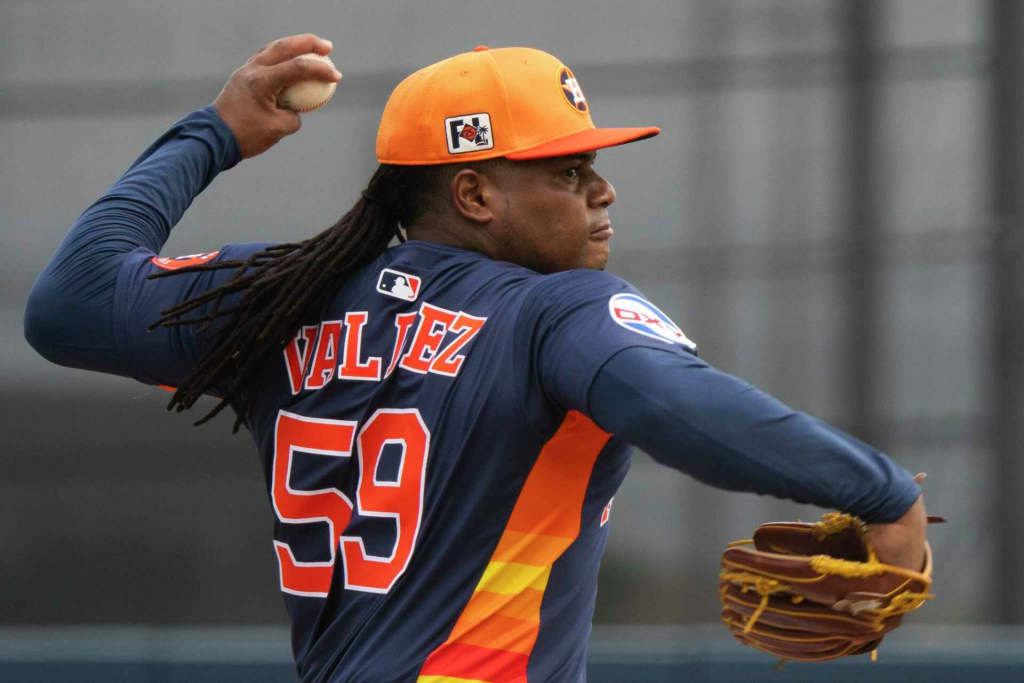
Of course, the likelihood of Toronto actually making an offer for Valdez remains low. So low that if it did happen, it would be shocking. But this offseason has repeatedly reminded us that what seems “unreasonable” on paper often happens when teams start looking beyond a season.
The Blue Jays didn’t get Kyle Tucker. They also don’t have many ways to create immediate offensive impact. But if they can turn their greatest strength into something unmatched by any opponent, that approach suddenly becomes very Toronton.
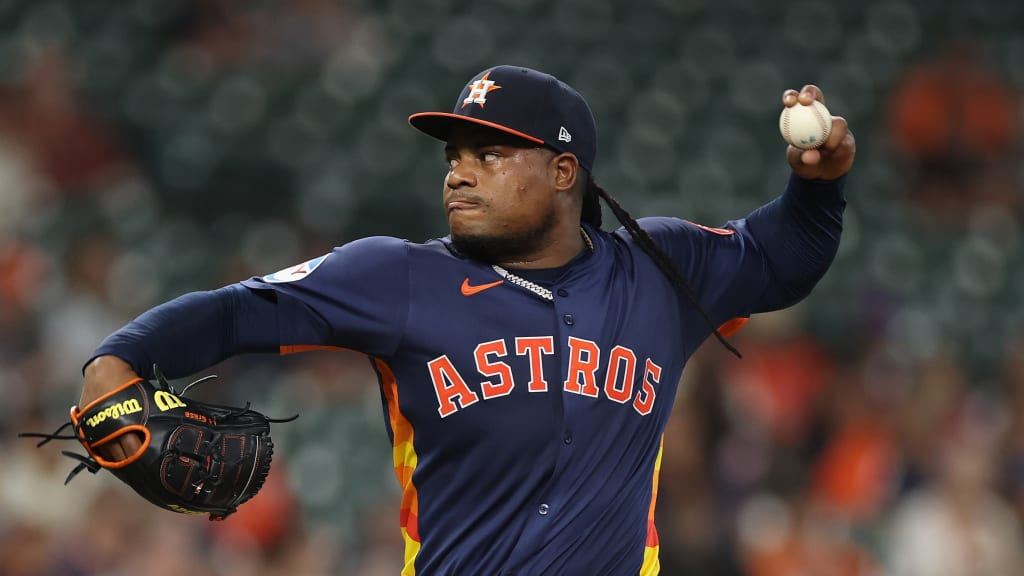
Until Framber Valdez actually signs a contract elsewhere, the door isn’t closed. And if the Blue Jays walk through that door, this seemingly depleted offseason could be viewed in a completely different light.
The question is no longer whether Toronto needs Framber Valdez.
Instead, it’s: if they have the chance to create the best rotation in baseball history, will they seize it?
Leave a Reply