For the first time in more than a decade, the Kansas City Chiefs are approaching an offseason without urgency born from playoff runs.
That absence is uncomfortable. But it’s also revealing.
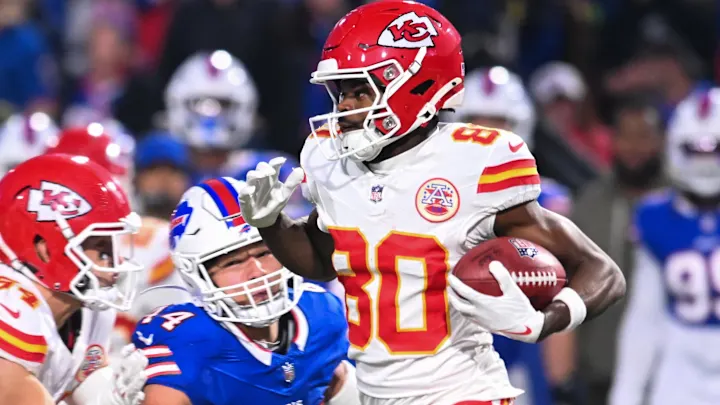
Kansas City enters the 2026 offseason facing a convergence of pressure points rarely seen together: 21 unrestricted free agents, the league’s worst cap situation, and a roster that suddenly feels older, thinner, and less forgiving. For a franchise accustomed to extending its season deep into January—and often February—this reset arrived earlier than expected.
And quietly, that might be the most important development of all.
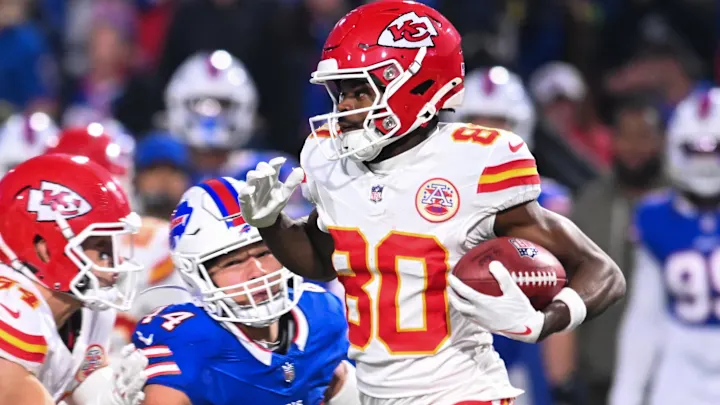
The Chiefs haven’t had this much uninterrupted time to evaluate since 2014. No compressed timelines. No juggling Super Bowl prep with scouting. No late starts to draft season. Just time—and time is currency in the NFL.
That reality isn’t lost on defensive coordinator Steve Spagnuolo.
He recently admitted that deep playoff runs often cost teams a full month of personnel evaluation. Film goes unwatched. Prospects blur together. Decisions get rushed. This offseason? That excuse is gone.
Now the film is rolling.
Kansas City’s free-agent list reads like a snapshot of an era potentially closing. Travis Kelce. Hollywood Brown. JuJu Smith-Schuster. Kareem Hunt. Charles Omenihu. Derrick Nnadi. Creed Humphrey may be safe, but the supporting cast around him isn’t guaranteed. Even Gardner Minshew’s name appears, a reminder of how many layers of the roster are in flux.
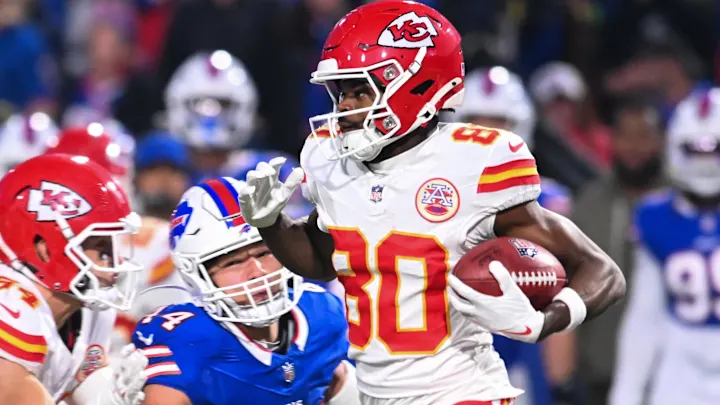
It’s not just about who stays. It’s about who can stay.
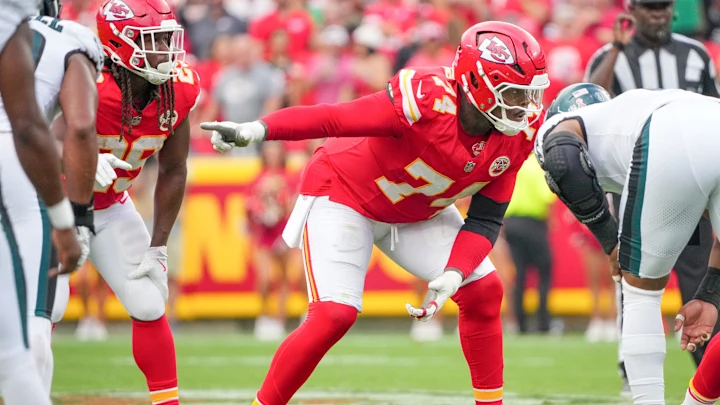
Despite a projected league-wide salary cap increase north of $300 million, the Chiefs remain squeezed. Cap casualties are looming—names like Jawaan Taylor and Mike Danna are already circulating. These won’t be emotional decisions. They’ll be mathematical ones.
That’s the part that changes the tone of this offseason.
Kansas City isn’t shopping for upgrades with surplus cash. They’re triaging. Assigning value. Deciding which versions of themselves they’re willing to let go.
And then there’s the draft.
The ninth-overall pick is the Chiefs’ most valuable draft asset since 2012. That alone alters strategy. They can reach. They can trade. They can reset a position group in one stroke—or stockpile assets for a slower rebuild.
Whatever path they choose, it will be intentional.
The absence of playoff football didn’t just end a streak. It created space. Space to ask questions the Chiefs haven’t needed to ask in years: How old is too old? How expensive is too expensive? And how much nostalgia can a contender afford?
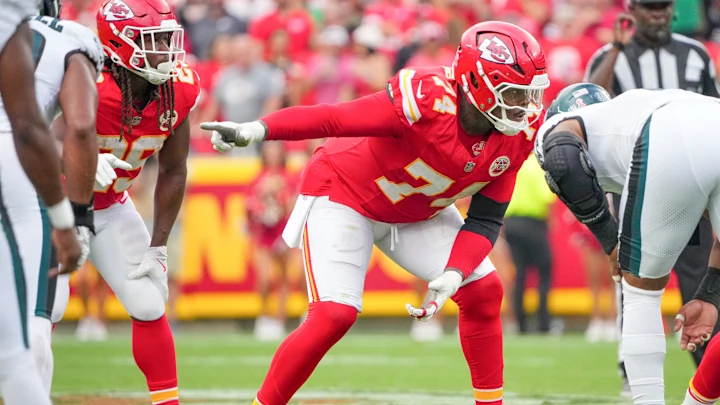
March 9 will begin the legal tampering window. March 11 will open the new league year. Trades may leak before then, but the real movement—the real answers—will come fast once the clock starts.
Until then, Arrowhead is quieter than usual.
But don’t mistake that for inactivity.
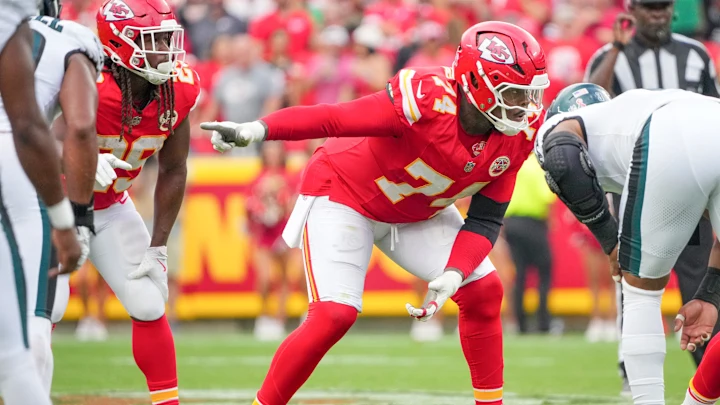
This is the offseason where Kansas City stops extending a dynasty and starts redefining it. And the decisions made in the next few weeks won’t just determine who wears red next season.
They’ll decide whether the Chiefs are reloading—or finally turning the page.
Leave a Reply