When the Las Vegas Raiders began their head coaching search, they weren’t just looking for innovation. They were looking for insulation—against ego, impatience, and repeating the same mistakes that have haunted the franchise for years.
That’s where Klint Kubiak stood apart.
Around the league, Kubiak has long been respected as a sharp offensive mind. His work resurrecting Sam Darnold’s career and guiding the Seattle Seahawks to the Super Bowl was the most visible proof.
But according to Sports Illustrated’s Albert Breer, that success alone wasn’t what ultimately sold the Raiders.
It was how Kubiak handled everything that came before it.
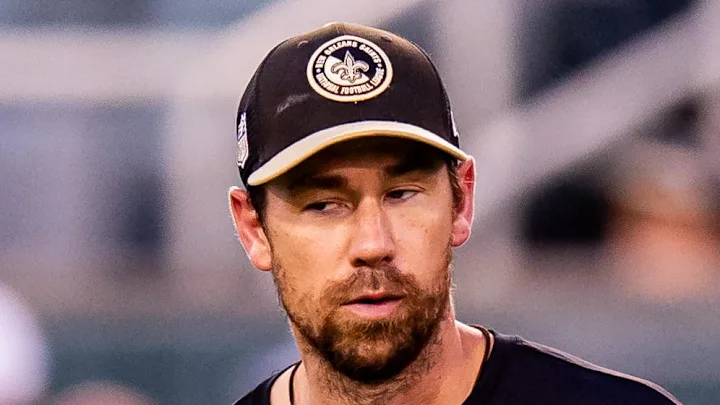
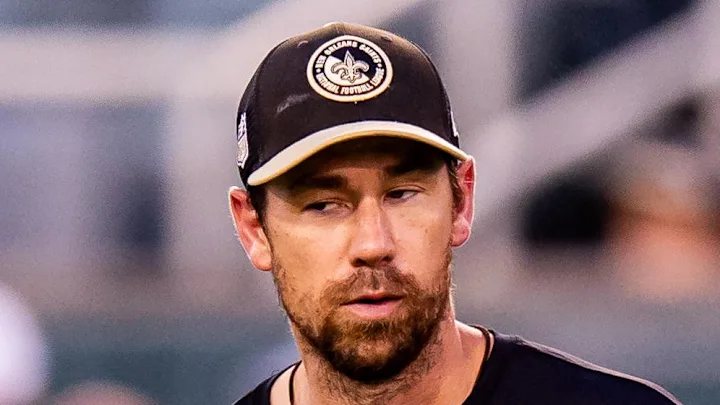
Kubiak’s coaching résumé isn’t spotless. His first stint as an offensive coordinator in Minnesota ended with Mike Zimmer’s firing in 2021.
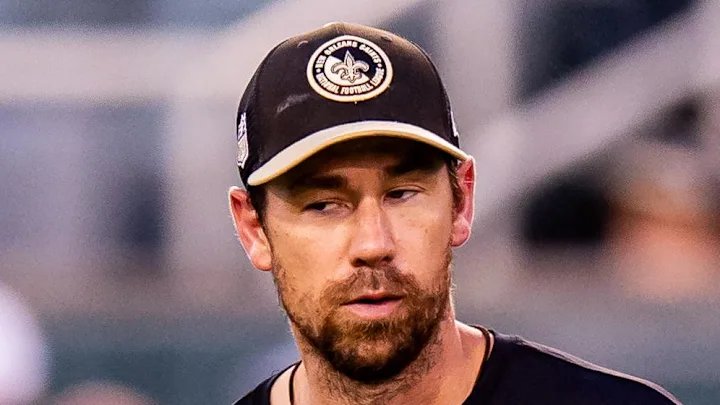
His second, with the New Orleans Saints, concluded when Dennis Allen was let go in 2024. For many coaches, those exits become excuses—dismissed as bad timing or circumstances beyond control.
Kubiak didn’t take that route.
Breer noted that instead of deflecting blame, Kubiak went back and dissected his own shortcomings, particularly after New Orleans’ offense cooled off following a hot start. He didn’t protect his image. He questioned his process.
That mattered.
For the Raiders, whose past hires often unraveled under scrutiny and stubbornness, self-awareness wasn’t a bonus—it was a requirement. Kubiak didn’t present himself as a savior. He presented himself as a learner.
And then there was how he handled opportunity.
As Seattle marched through its Super Bowl run, Kubiak became one of the most sought-after coaching candidates in the league. Interviews waited.
Rumors swirled. Yet behind the scenes, Kubiak was reluctant to engage at all. Breer suggested there was genuine concern he might remove himself from the interview circuit entirely—not wanting to distract from the Seahawks’ championship pursuit.
That restraint wasn’t performative. It was consistent.
In an industry where ambition often speaks louder than loyalty, Kubiak’s approach sent a different signal. He wasn’t chasing a title. He was earning one.
That distinction resonated deeply with the Raiders’ leadership.
General manager John Spytek reinforced that trust when discussing the next phase of the process: staff construction.
Rather than imposing constraints or clinging to remnants of the previous regime, Spytek made it clear that Kubiak will be empowered to build the staff he believes in—even with members of Pete Carroll’s former staff still under contract.
That level of autonomy isn’t given lightly.
It reflects confidence not just in Kubiak’s scheme, but in his judgment. The Raiders aren’t asking him to fit into an existing structure. They’re asking him to design one.
And that circles back to why experience—not just success—factored so heavily into this decision.
Kubiak has seen what happens when momentum fades. He’s lived through resets. He understands how fragile buy-in can be.
And now, he’s stepping into Las Vegas at a moment of rare alignment: draft capital, cap flexibility, and the likely selection of a franchise quarterback.
The Raiders didn’t choose Kubiak because he’s never failed.
They chose him because he didn’t run from it.
In a league obsessed with spotless résumés, Las Vegas leaned into something riskier—but potentially far more stable: a coach shaped by mistakes, sharpened by reflection, and trusted enough to lead without micromanagement.
For a franchise desperate to change its trajectory, that may be the most meaningful shift of all.
Leave a Reply