In today’s social media ecosystem, silence is read as intention—and interaction is treated like confession.
Kayla Nicole learned that lesson again this week, when a single Instagram “like” pulled her back into a storm she hasn’t actively participated in for years. The moment itself was small. The reaction was not.
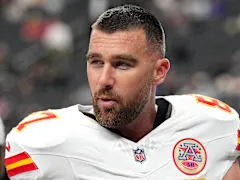
Screenshots began circulating showing Nicole had liked a Bleacher Report post praising Travis and Jason Kelce for helping fund U.S. hockey player Laila Edwards’ family trip to Milan ahead of her Winter Olympics debut. The post celebrated generosity. The comments celebrated kindness.
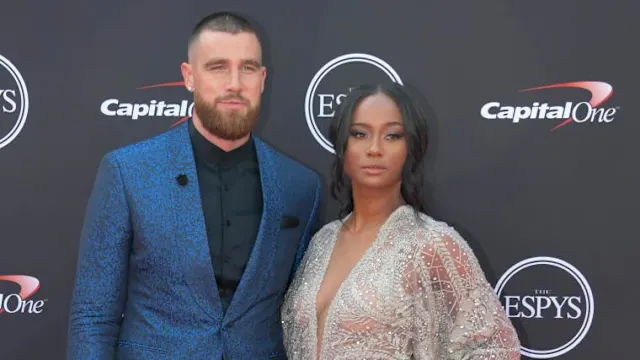
Then the internet noticed who liked it.
Almost instantly, attention shifted away from the act of charity and toward Nicole, Travis Kelce’s former girlfriend. Swifties—many fiercely protective of Kelce’s current relationship with Taylor Swift—pounced. Accusations followed. Motives were questioned. A routine social media interaction was reframed as something else entirely.
To some fans, the “like” meant nothing. Acknowledging a good deed shouldn’t be controversial. To others, it was read as a signal—intentional or not—that reopened old narratives they’d rather see buried.
That’s the uncomfortable reality Nicole continues to navigate.
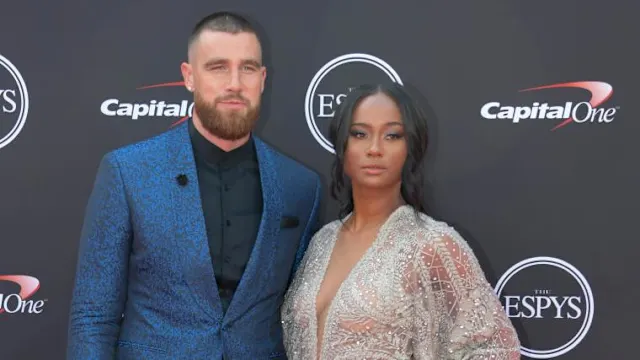
Since her 2022 breakup with Kelce, nearly everything she does online has been filtered through the lens of who she used to date.
Over the past year, fans have scrutinized her posts for perceived “shade,” from recreating Toni Braxton’s He Wasn’t Man Enough look to sharing cryptic captions that—fairly or not—were interpreted as commentary on Swift.
What gets lost in the process is scale.
Nicole didn’t comment. She didn’t tag. She didn’t repost. She didn’t insert herself into the story. She tapped a heart icon under a post highlighting generosity—then moved on. The internet didn’t.
As screenshots spread, reactions escalated. Some users accused her of chasing relevance. Others pushed back, questioning why a grown woman liking a charitable post warranted outrage at all. The discourse quickly became self-sustaining: outrage about outrage, commentary about commentary.
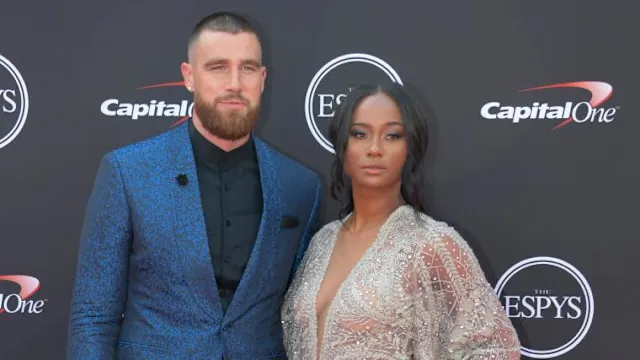
Nicole, for her part, has said nothing.
That silence has only amplified speculation, but it also underscores something important. In the Kelce–Swift orbit, neutrality is rarely allowed. Every action is interpreted as allegiance—or opposition.
Even Donna Kelce, Travis’ mother, inadvertently added fuel to the conversation. During promotional interviews for The Traitors, she joked about hoping not to encounter “past girlfriends” when discussing potential adversaries on the show.
It was a lighthearted comment—but in this context, even jokes are absorbed into the larger narrative.
Meanwhile, the original story—the Kelce brothers helping a young Olympian’s family—faded from the spotlight almost immediately.
That may be the most telling part.
In an era where relationships are brand ecosystems and fandoms function like border patrol, the line between public and private has eroded completely. A “like” is no longer passive. It’s parsed. Archived. Weaponized.
For Kayla Nicole, this moment isn’t new—it’s familiar. A reminder that even years after a breakup, her digital footprint remains tethered to someone else’s present.
Whether that’s fair is beside the point. The internet has already decided how it works.
And so, once again, a woman said nothing—did almost nothing—and still found herself at the center of a conversation she didn’t start.
All because of a heart icon.
Leave a Reply