The NFL season always ends the same way—one game, one stage, one moment that defines everything. On February 8 at Levi’s Stadium, the Seattle Seahawks and New England Patriots will meet in Super Bowl LX. Quarterbacks will dominate the headlines. Matchups will be dissected endlessly. But beneath the noise, a quieter storyline has been building all season.
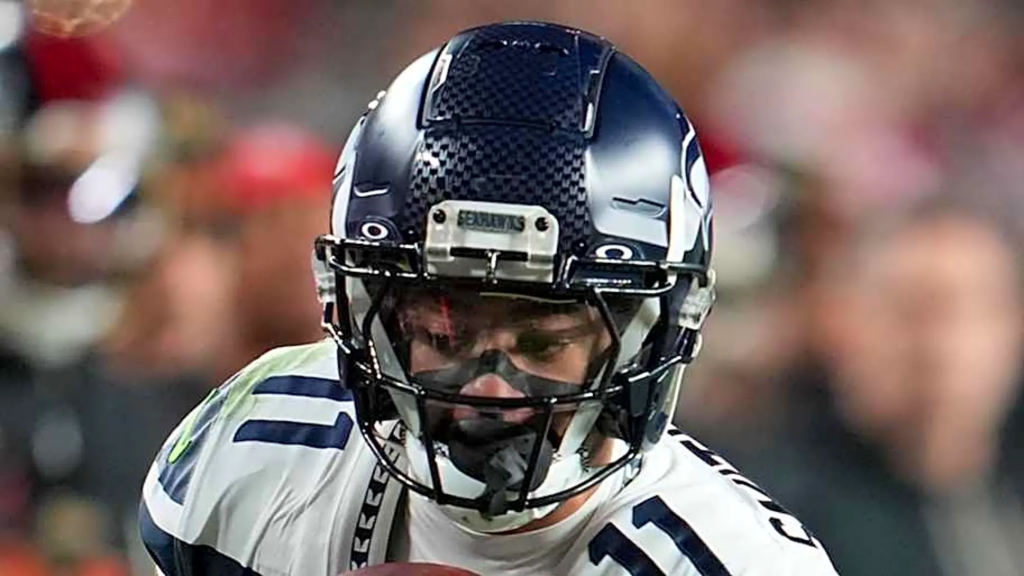
And it centers on Jaxon Smith-Njigba.
Seattle enters the Super Bowl as the NFC’s top seed, powered by an offense that looks balanced on paper. Yet when the numbers are stripped of branding and expectation, one reality becomes difficult to ignore: Smith-Njigba has been the engine. Not the complement. Not the luxury. The centerpiece.
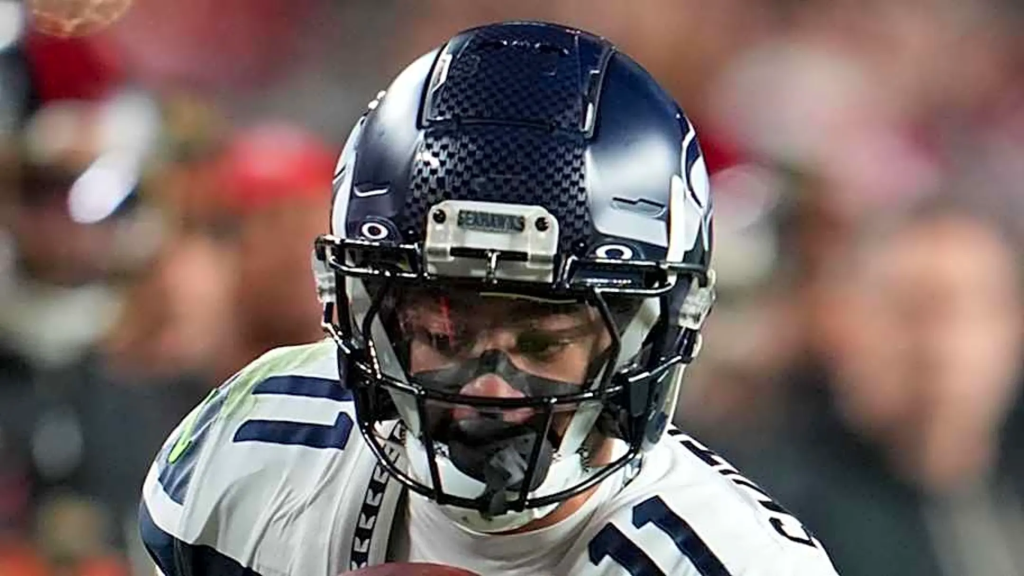
His regular season was nothing short of dominant. In 17 games, Smith-Njigba caught 119 passes on 163 targets for 1,793 yards and 10 touchdowns. Efficiency matched volume. Reliability matched explosiveness. There were no quiet weeks—only sustained pressure on opposing defenses.
What makes the production more striking is the context. Seattle doesn’t have a true second receiving threat. Cooper Kupp is past his peak. Tight end AJ Barner has been serviceable but unspectacular. Defenses knew where the ball was going—and still couldn’t stop it.
And then came the playoffs.
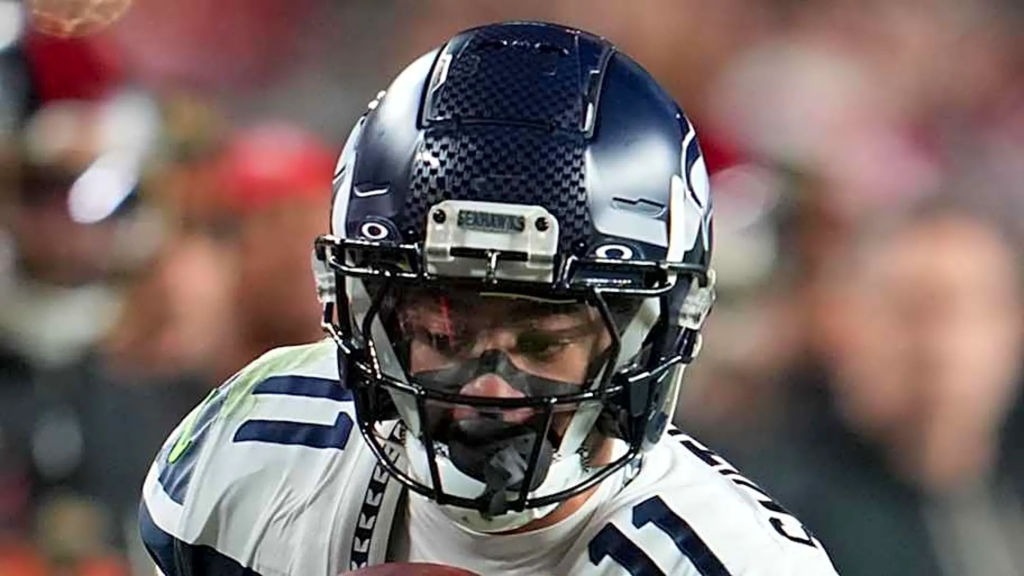
Two games. Thirteen catches. Two touchdowns. In the NFC Championship Game, Smith-Njigba shredded San Francisco for 153 yards and a score, controlling the game without theatrics. The only reason his divisional round numbers weren’t louder? Seattle didn’t need to throw.
That detail matters.
Smith-Njigba hasn’t just succeeded in high-leverage moments—he’s become the solution when things tighten. And against New England, that role may expand even further.
If the Patriots manage to slow Seattle’s run game or keep the score close into the second half, volume becomes inevitable. Double-digit targets. Chain-moving routes. Red-zone trust. Smith-Njigba doesn’t need broken coverage—he wins within structure.
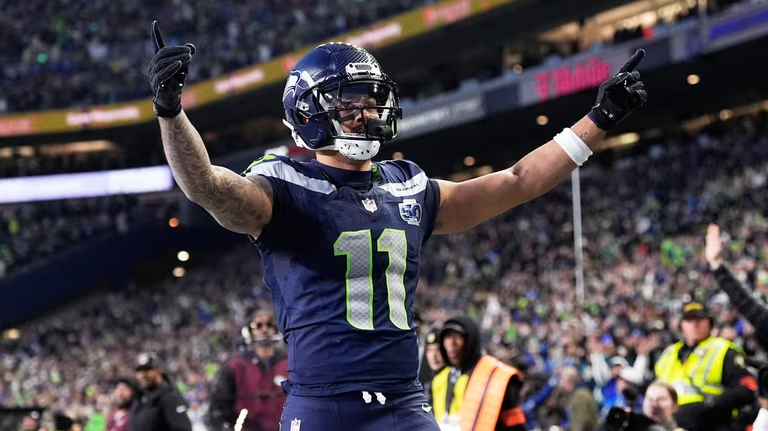
That’s where the Super Bowl MVP conversation gets uncomfortable.
Sam Darnold is the quarterback. Logic says he should be the favorite. But MVP voting doesn’t always reward hierarchy—it rewards impact. And Smith-Njigba averaged more fantasy points per game than both Darnold and Patriots quarterback Drake Maye during the season.
More importantly, his influence doesn’t disappear if Seattle trails.
In fact, it grows.
If the Seahawks win, Smith-Njigba’s stat line could define the night. Ten catches. One hundred yards. A touchdown—or two. Not flashy. Just unavoidable. The kind of performance that quietly forces voters to reconsider everything they assumed walking in.
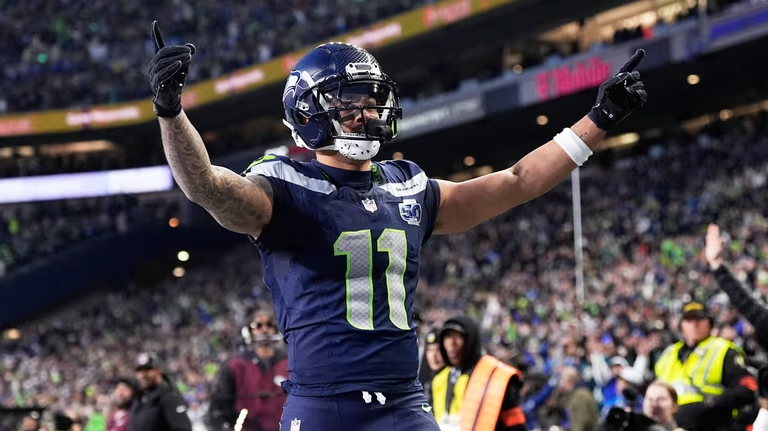
And if Darnold plays well? Smith-Njigba may be the reason why.
That’s the paradox heading into Super Bowl LX. The spotlight is fixed on quarterbacks, yet the most consistent force on the field may be the receiver no one can scheme away.
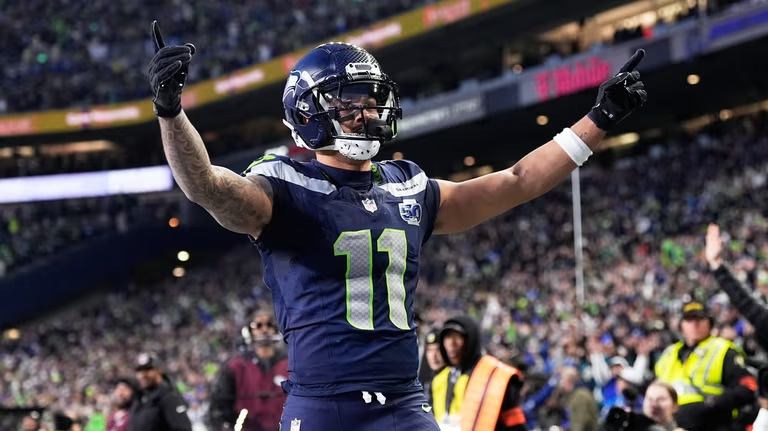
The question isn’t whether Jaxon Smith-Njigba can dominate.
It’s whether anyone is ready to admit that he already has.
Leave a Reply