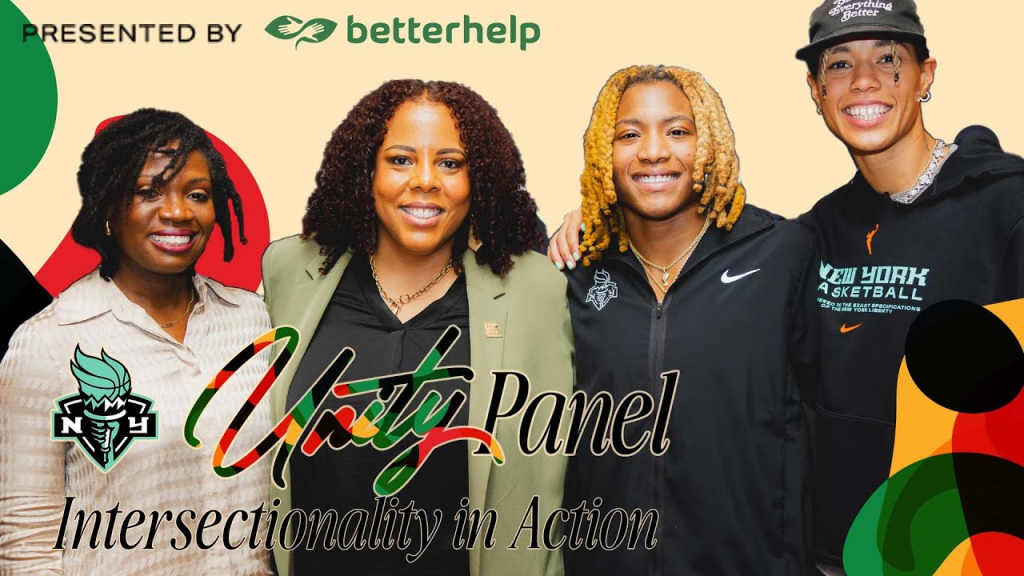
💥 Junth Unity Panel Sparks Powerful Conversation on Intersectionality, Activism, and Empowerment
The New York Liberty recently hosted their annual Junth Unity Panel, presented by BetterHelp, and the room was electric. From the moment Chief Brand Officer Shaina Stevenson welcomed attendees, it was clear this wasn’t just another panel—it was a movement in action. Each guest received a notebook and a gift card for three months of free therapy, underscoring the organization’s commitment to mental health and community support.
Stevenson framed the panel around intersectionality, a concept coined by Dr. Kimberly Crenshaw, who herself attended the Liberty’s game. “Intersectionality helps us understand the unique experiences of discrimination faced by Black women, queer women, and gender expansive people,” Stevenson explained. The Liberty, comprised mostly of Black women, with some identifying as queer, is a living example of intersectionality in action.
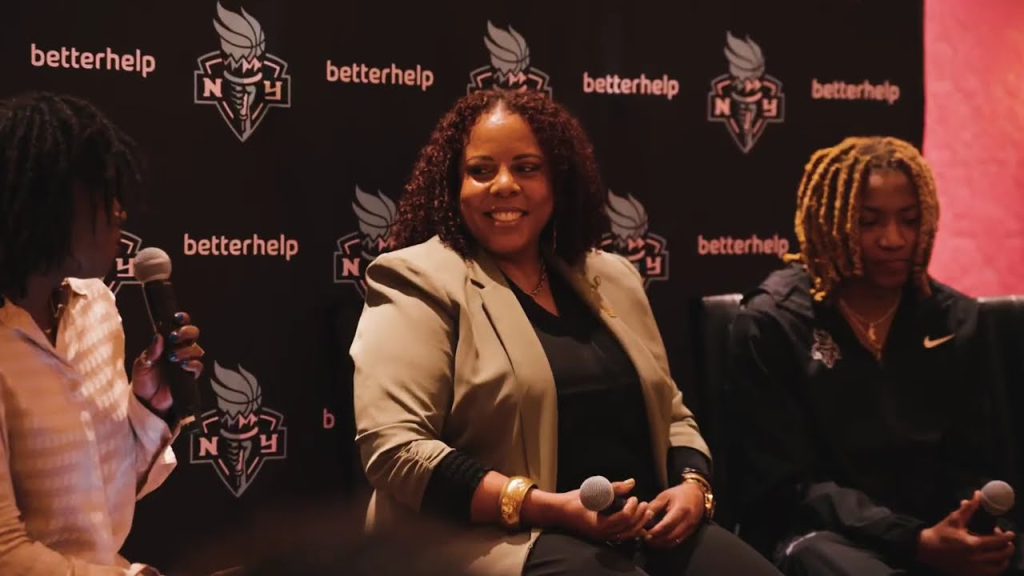
Joanne N. Smith, founder of Girls for Gender Equity, shared the systemic challenges Black girls and gender expansive youth face, from hyper-discipline and oversexualization in schools to economic inequities. “Intersectionality gives us the language to peel back the layers of oppression,” Smith said, highlighting the organization’s 20+ years of policy work, including the Crown Act and school dress code reforms that protect Black youth.
Jaylen Sherrod, 2024 WNBA champion, spoke candidly about navigating professional basketball while earning her master’s in criminal justice and corrections, emphasizing her mission to support youth. “I want to make sense for them what often doesn’t make sense in the world,” Sherrod said. She described growing up in Birmingham, Alabama, witnessing gun violence, and the formative role her education played in shaping her path as a leader on and off the court.
Natasha Cloud, WNBA champion and activist, addressed the emotional toll of being a Black woman and advocate in a hyper-visible space. “The system is set up to see us fail,” Cloud said. Yet she reframed her intersectionality as a superpower, allowing her to speak out on political issues, challenge stereotypes, and create change without compromise.
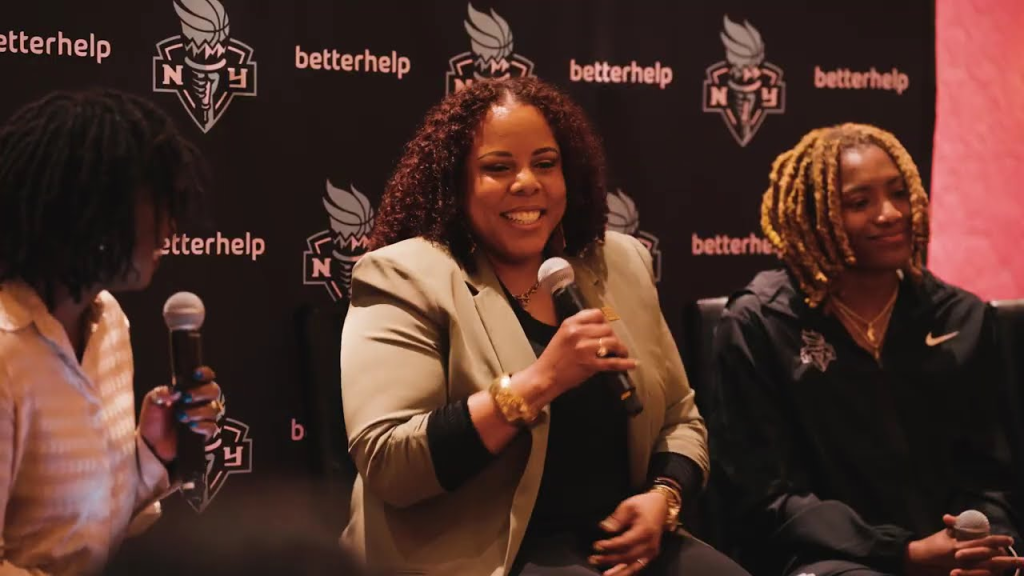
The panel also reflected on the WNBA’s 2020 season, where players made the historic decision to use their platform for activism, supporting movements like Say Her Name and raising awareness around George Floyd and Breonna Taylor. Cloud described the struggle: sitting out the Wubble, yet working tirelessly behind the scenes with legislation, advocacy, and community outreach—a year she calls “the most taxing of my career.”
Stevenson reminded attendees of the Liberty’s Junth game against the Phoenix Mercury, featuring performances by Alvin Ailey dancers and Urban Word, plus civic engagement initiatives with the League of Women Voters. The night highlighted the league’s ongoing commitment to social justice, gender equity, and allyship—showing how sports can be a platform for meaningful societal change.
This panel was more than conversation; it was a masterclass in leadership, resilience, and empowerment, showing the world how intersectionality, advocacy, and personal purpose intersect on and off the court.
Leave a Reply