The Chicago Bears didn’t just trade away D.J. Moore—they shifted the entire weight of their passing offense overnight.
Now, three young stars and one bold coach must prove the gamble wasn’t a mistake.
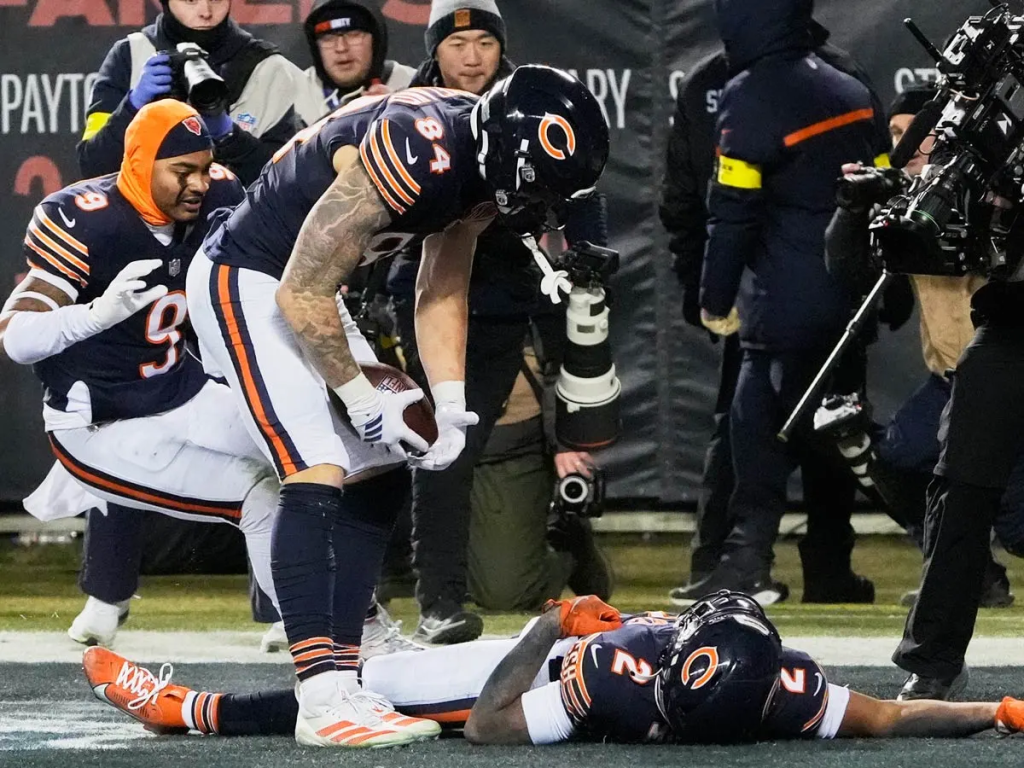
Bears’ Shocking DJ Moore Trade Forces Young Trio Into the Spotlight
The Chicago Bears made one of the most surprising moves of the NFL offseason when they traded veteran wide receiver D.J. Moore to the Buffalo Bills. But inside the organization, the decision wasn’t as shocking as it seemed.
In fact, the move reflects a dramatic shift in the Bears’ offensive philosophy—one that places enormous pressure on a new generation of playmakers.
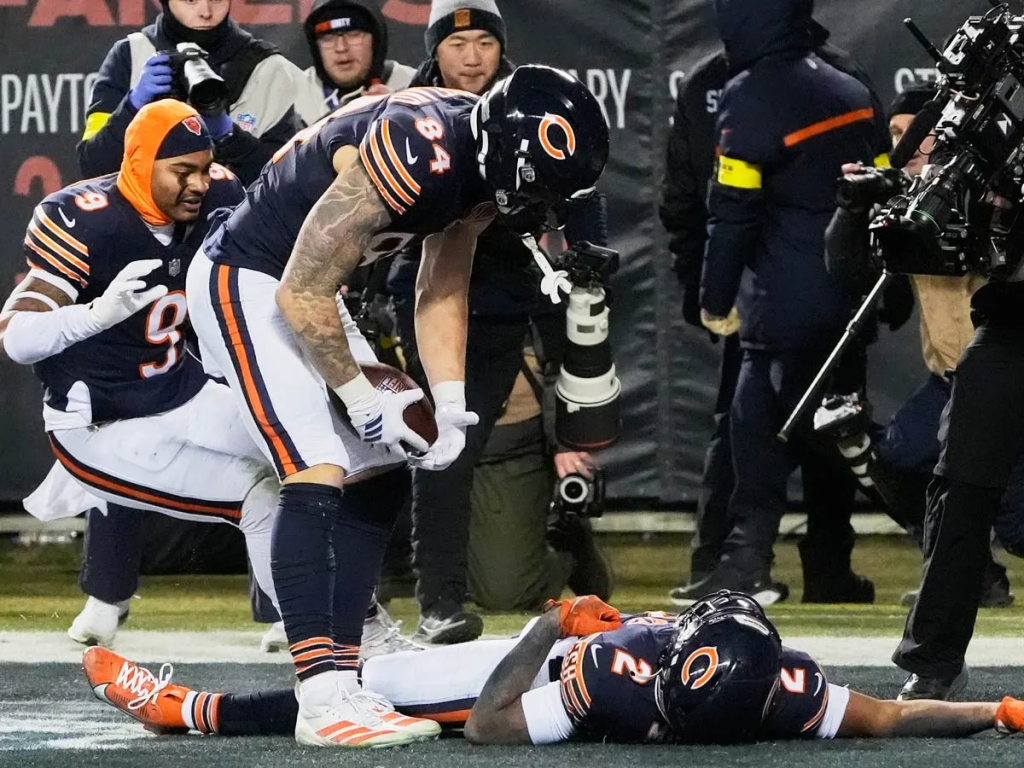
With Moore gone, Chicago is now betting its passing game on a trio of young talents: Rome Odunze, Luther Burden, and tight end Colston Loveland. And at the center of it all is head coach and offensive mastermind Ben Johnson, who must now prove his system can thrive without the team’s former No. 1 receiver.
Why the Bears Were Willing to Move On
Moore had been a productive and popular player in Chicago, highlighted by memorable moments like his walk-off overtime touchdown against the Packers.
However, behind those highlights was a more complicated reality.
Last season, Moore’s production fluctuated dramatically. In six of the Bears’ 17 games, he finished with two or fewer receptions. One game ended with no receiving yards, another with just seven yards, and in one outing he even finished with negative yardage.
By the end of the season, Moore posted a career-low 50 catches for 682 yards, numbers that looked far more like a secondary receiver than a primary offensive weapon.
For the Bears’ front office, the financial side made the decision even clearer.
Moore was set to carry a $24.5 million salary cap hit, the third-highest on the roster. Trading him not only brought back a second-round draft pick but also freed $16.5 million in cap space.
The Rise of Chicago’s Young Weapons
Chicago’s roster construction over the past two years has focused heavily on stockpiling pass-catching talent.
That strategy allowed the team to move on from Moore with confidence.
Rome Odunze
Odunze remains the centerpiece of the Bears’ young receiving corps.
The team originally selected him ninth overall in the 2024 draft, a pick that surprised even general manager Ryan Poles, who didn’t expect the talented receiver to still be available.
Odunze started his second season strong, briefly leading the league in touchdown receptions during the first month of the season.
However, injuries slowed his momentum, and the Bears now need him to fully step into the role of true No. 1 receiver.
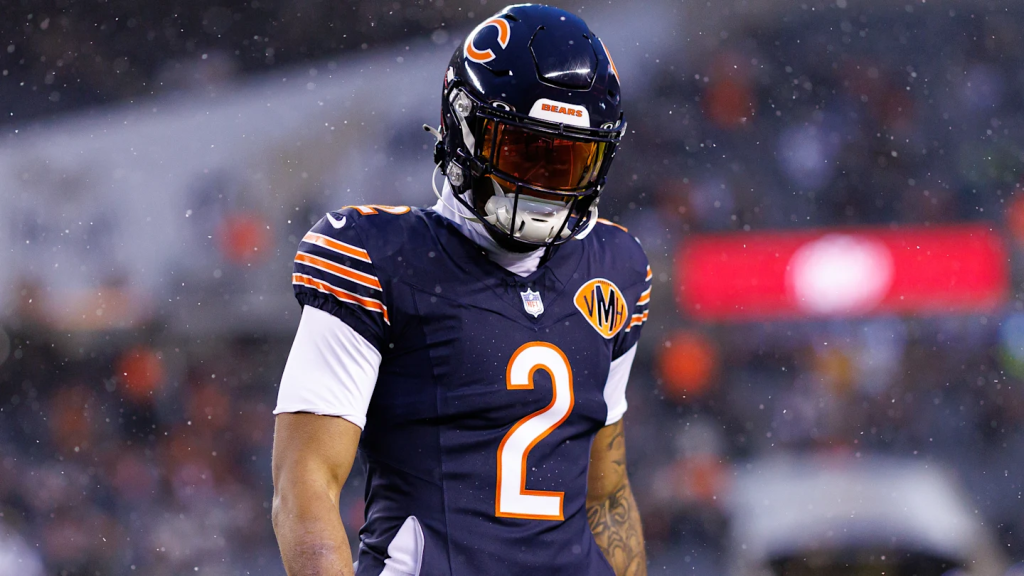
Luther Burden
Rookie receiver Luther Burden showed explosive potential late in the season.
In December, he averaged 13.9 yards per catch, one of the best marks among NFL receivers during that stretch.
Between Weeks 14 and 18, Burden totaled 324 receiving yards, ranking 11th in the league during that span.
Notably, six of the ten receivers ahead of him made the Pro Bowl, highlighting just how impressive his late-season surge was.
Colston Loveland
Tight end Colston Loveland also emerged as a dangerous weapon.
Over the same five-week stretch, he recorded 307 receiving yards, trailing only three tight ends in the entire league during that period.
His versatility gives Johnson another dynamic option in the middle of the field.
The Real Pressure Falls on Ben Johnson
While the spotlight will naturally fall on Chicago’s young receivers, the person under the most scrutiny may actually be Ben Johnson.
The Bears hired Johnson specifically for his offensive creativity and his ability to maximize talent.
Chicago’s leadership clearly believes Johnson can develop new stars, even after losing Moore.
That belief is part of why the Bears were comfortable drafting both Burden and Loveland last year after other targets were taken earlier in the draft.
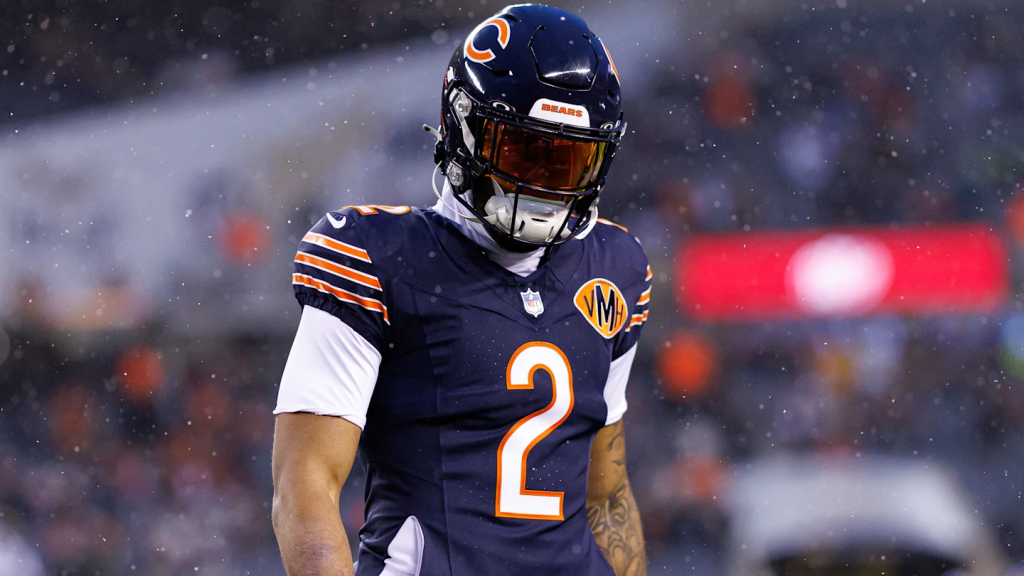
Johnson has often said there’s no such thing as too many pass catchers. Now he must prove that philosophy works.
A High-Risk, High-Reward Shift
By trading Moore, the Bears essentially bet on youth, development, and coaching innovation.
If Odunze, Burden, and Loveland continue to improve, Chicago could end up with one of the most dynamic young passing attacks in the NFL.
But if the trio struggles, the decision to trade a proven veteran could become one of the most criticized moves of the season.
For now, one thing is certain.
The Bears’ offense has entered a new era—and the pressure has never been higher.
Leave a Reply