A single comment about songwriting sparked a storm online.
Now Jack White is speaking out after fans thought he took a swipe at Taylor Swift.
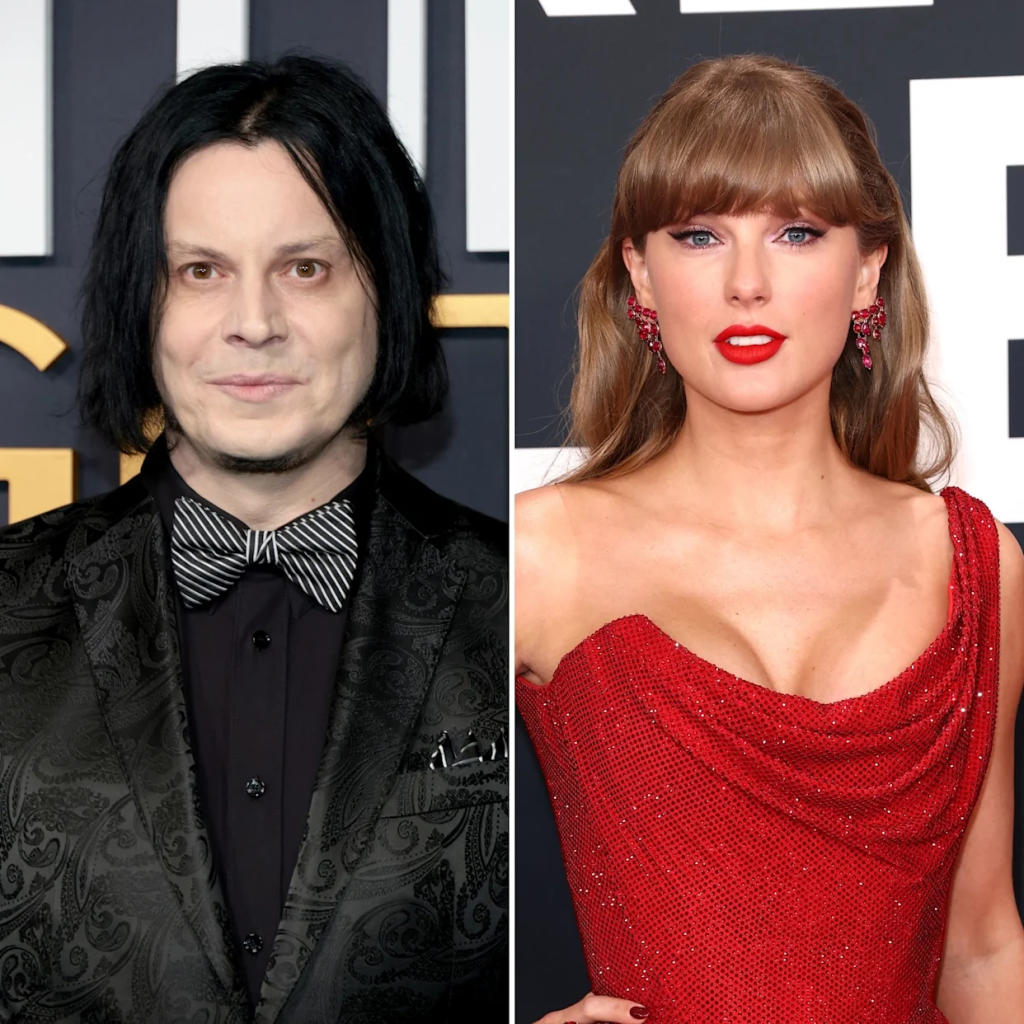
Jack White Clarifies Taylor Swift Comments After Online Backlash
Rock legend Jack White is pushing back against headlines that suggested he criticized Taylor Swift, saying his comments about songwriting were taken out of context and turned into clickbait.
The controversy began after remarks from an interview White gave to The Guardian spread across social media, with some outlets portraying his words as a jab at Swift’s style of writing songs about her personal life.
According to White, that interpretation completely missed the point.
What Jack White Actually Said
During the interview, White was discussing his approach to lyric writing and poetry when he referenced Swift’s storytelling style.
White explained that many modern pop artists write songs rooted directly in their personal experiences, particularly relationships and breakups. While acknowledging the popularity of that approach, he said it simply isn’t the style he prefers for his own music.
“Now it’s become very popular in the Taylor Swift way of pop singers writing about all of their publicly aired breakups,” White said during the interview. “I don’t find it interesting at all… I think it’s a little bit boring for me to write about myself.”

The comment quickly circulated online, with headlines suggesting White had called Swift’s music boring.
White Responds to the Headlines
After the backlash spread, White posted a statement on Instagram to clear things up.
“I didn’t say that I think Taylor Swift’s music was boring,” he wrote, criticizing what he described as misleading coverage.
White explained that his original point was about his personal writing philosophy, not criticism of Swift or other artists.
For him, songwriting is more interesting when it involves fictional characters or perspectives rather than autobiographical storytelling.

“I don’t find it interesting for me to write about myself in my lyric writing,” White said, adding that repeating personal stories could feel repetitive both for him and listeners.
Respect for Swift’s Success
White also emphasized that he respects Swift and other artists who use their personal experiences as inspiration.
He acknowledged Swift’s “tremendous success” and made it clear that every songwriter has their own creative process.
“Just because I say I have a way of doing things doesn’t mean everyone should do it the same way,” White explained.
“They should do what works for them.”
Why White Prefers Fictional Storytelling
White went on to describe why he prefers writing through characters rather than direct autobiography.
He said reliving personal experiences repeatedly through songs can feel unnecessary or even uncomfortable.
“If it’s something really painful,” he explained, “I’m not going to put that important thing out there for people on the internet to stomp all over.”
Instead, he often transforms real experiences into fictional narratives, allowing him to explore emotions without exposing deeply personal details.
Frustration With Clickbait Culture
White also used the moment to criticize the modern media landscape, saying misinterpretations like this are making artists less willing to speak openly in interviews.
He argued that the constant search for viral headlines encourages simplified or distorted coverage of complex ideas.
According to White, that pressure leads artists to give safe, generic responses instead of thoughtful or passionate ones.
“In the age of clickbait,” he said, even small remarks can be turned into controversy.
Continuing His Work as a Writer
The discussion about songwriting comes as White promotes his latest book, “Jack White: Collected Lyrics & Selected Writing Volume 1.”
The collection includes lyrics from his solo career, work with The Raconteurs, poetry, and essays exploring his creative process.
For White, the project highlights the wide range of storytelling styles that have shaped his career.
And despite the online uproar, he made one thing clear: his comments were never meant as criticism—just a reflection of how he approaches art.
Leave a Reply