Undefeated. Unapologetic. And suddenly… throwing harder.
If this is just spring training, the rest of baseball might already have a problem.
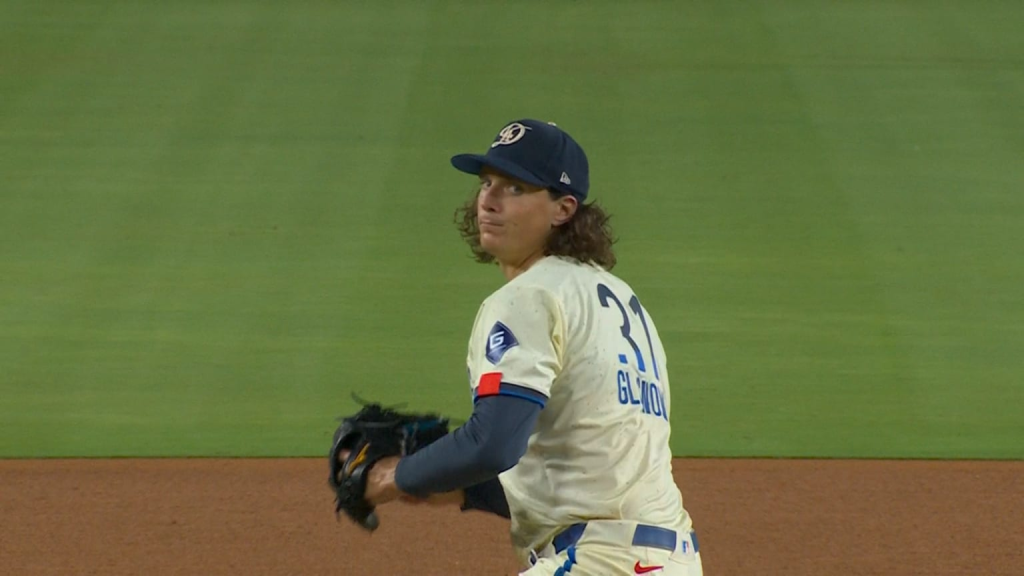
Dodgers Stay Perfect as Tyler Glasnow’s Velocity Surge Sends Warning Shot
GLENDALE, AZ — The Los Angeles Dodgers aren’t just winning games in the Cactus League. They’re building a case.
Thursday’s 7–6 win over the Chicago White Sox didn’t look overwhelming on paper. It wasn’t a blowout. It wasn’t flawless.
But it was loud.
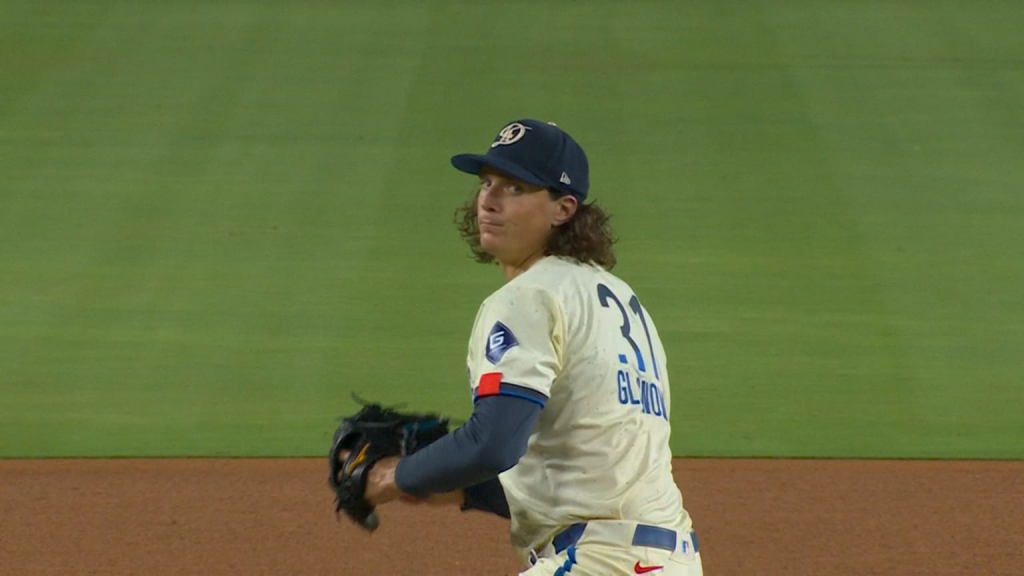
Because while the scoreboard showed another narrow victory, the radar gun told a much bigger story.
And that story starts with Tyler Glasnow.
A Different Kind of Debut
Glasnow made his highly anticipated first appearance of the 2026 spring — and he didn’t ease into it.
He attacked.
In the first inning, he struck out the side with authority. No soft contact. No laboring. Just overpowering stuff. In the second, he added two more strikeouts and a groundout, carving through hitters like it was midseason form.
Originally scheduled for just two innings or 30 pitches, Glasnow finished the second at 29 pitches and insisted on going back out for the third. After allowing a single, he exited.
But the numbers that mattered weren’t in the box score.
They were on the radar gun.
The Velocity That Changed the Conversation
Last season, Glasnow’s fastball averaged 95.7 mph.
On Thursday? It averaged 96.7 mph across 33 pitches.
In the first inning alone, it sat at 97.1 mph.
That’s not random fluctuation. That’s intentional evolution.
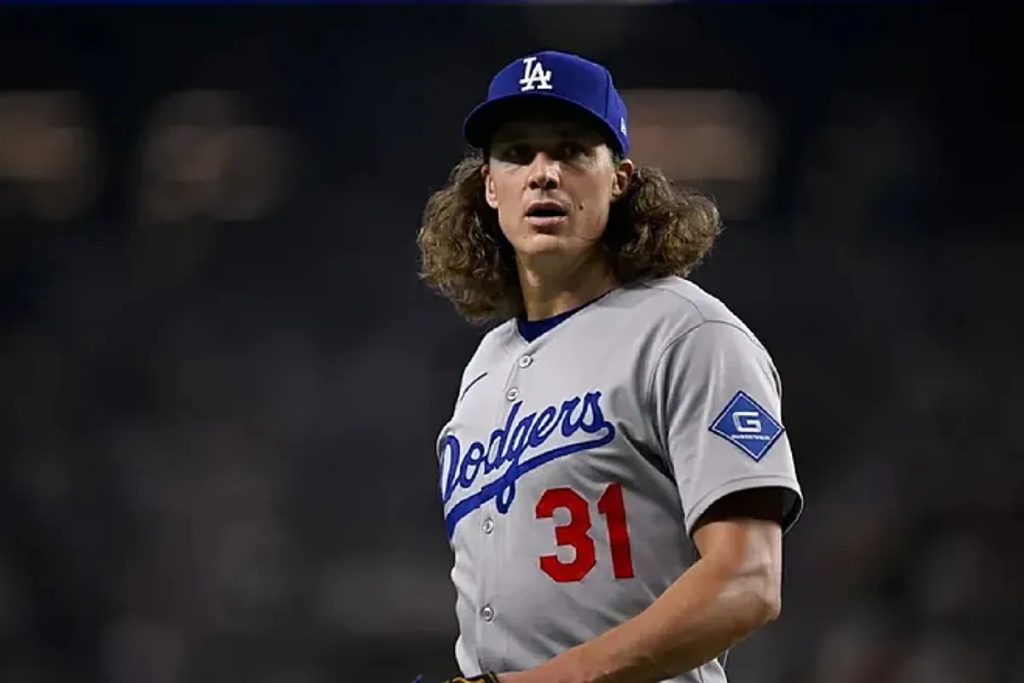
After the game, Glasnow revealed he targeted the velocity jump this offseason. He refined his mechanics. Prioritized full health. Added 20 pounds of muscle to his already towering frame.
The result?
A version of Glasnow that doesn’t look like he’s ramping up — he looks primed.
If this is February velocity, National League lineups should start recalculating.
Controlled Urgency in the Clubhouse
The Dodgers aren’t sprinting blindly through spring.
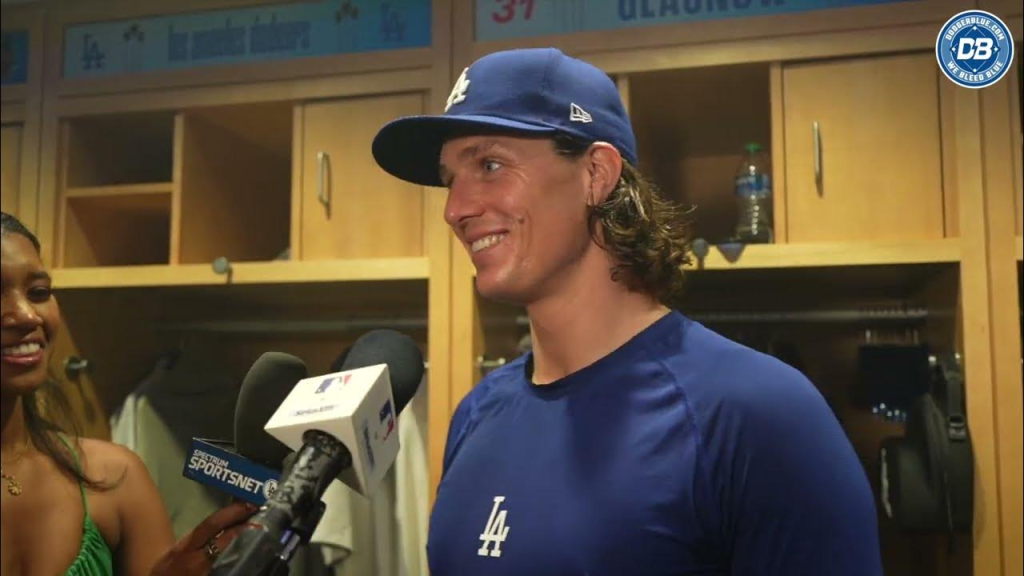
Max Muncy made his debut, going 1-for-3 with a sharp line-drive single, but his most revealing contribution came after the game.
He explained why several veterans appear to be pacing themselves.
Los Angeles has opened consecutive seasons with international travel across the Pacific. They’ve logged more postseason games than any team over the last two years.
The strategy in camp is simple:
Rest now. Peak later.
It’s not complacency.
It’s calibration.
Bullpen Precision, Then the Boom
Blake Treinen reinforced that mindset with ruthless efficiency. In his first spring outing, the veteran reliever needed just 15 pitches to slice through the White Sox lineup — two strikeouts, one groundout, no drama.
Then came the moment the Dodgers had been waiting for.
After a quiet start to spring in the power department, Will Smith finally detonated the team’s first home run of 2026.
Once the seal broke, it shattered.
Later in the game, Keston Hiura and Hyeseong Kim went back-to-back with solo shots — a quick reminder that this lineup doesn’t need many swings to tilt momentum.
Three home runs. One night.
Statement made.
Undefeated — And Building
The final score read 7–6. It wasn’t surgical. It wasn’t dominant.
But it was another win.
And it keeps the Dodgers as the only undefeated team in spring training.
Does being undefeated in February guarantee anything in October?
No.
But confidence compounds. Rhythm builds. Identity forms.
And right now, the Dodgers look frighteningly aligned.
What Comes Next
Yoshinobu Yamamoto is set to make his second spring start Friday against the San Francisco Giants before departing to join Team Japan for the World Baseball Classic.
Another spotlight. Another test.
Meanwhile, Glasnow’s velocity spike lingers as the headline that won’t fade.
The Dodgers are stacking momentum.
Velocity is climbing.
Bats are waking up.
Arms look fresh.
It’s only spring training.
But if this version of Los Angeles carries forward?
The rest of baseball may already be playing catch-up.
Leave a Reply