Championships are rarely built in a straight line.
Sometimes, the most important pieces are gathered quietly — in offices without titles, in seasons without headlines, and in stops that barely register at the time.
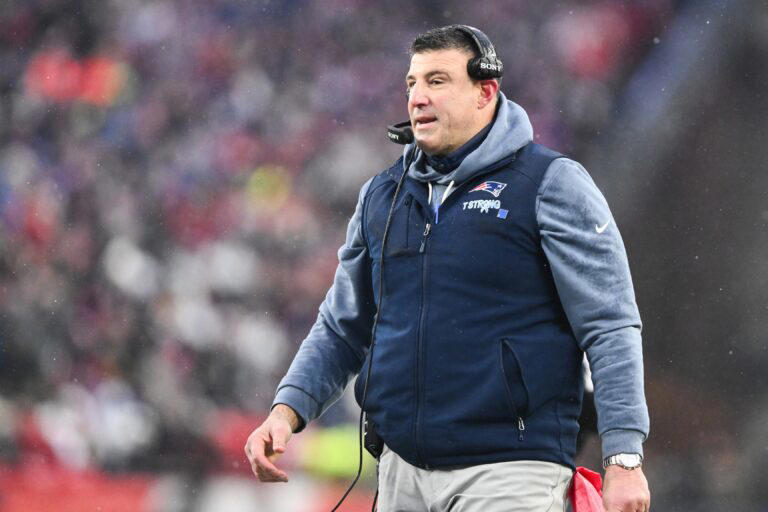
For Mike Vrabel, that detour may have come in 2024, during his brief and often overlooked stint as a coaching and personnel consultant with the Cleveland Browns.
One year later, the results are impossible to ignore.
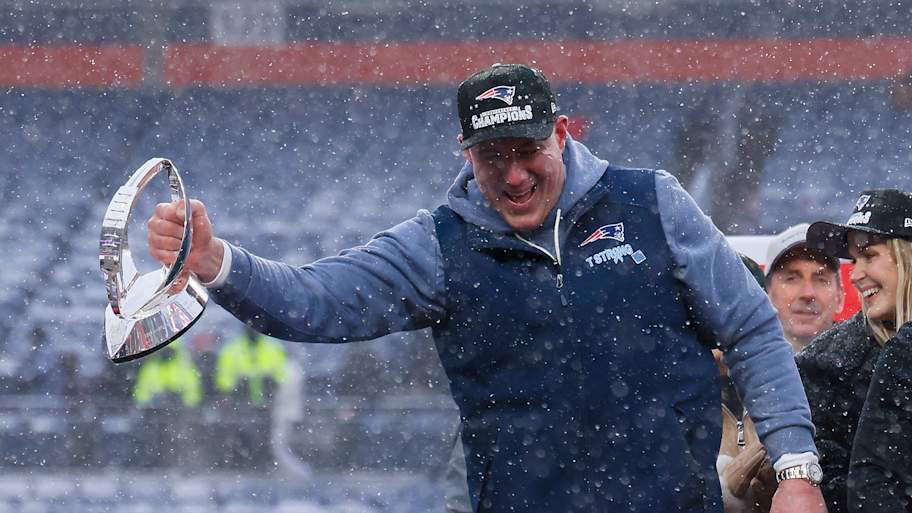
On the decisive snap of the AFC Championship Game in snowy Denver, Vrabel once again showed why he’s become one of football’s sharpest situational thinkers.
As the Broncos substituted, Vrabel countered instantly — rotating fresh defensive linemen onto the field like a hockey line change.
The result was immediate pressure, a rushed decision by Jarrett Stidham, and an interception that sealed New England’s trip to the Super Bowl.
It was subtle. It was ruthless. And it felt… familiar.
The Cleveland Connection
Vrabel’s relationship with Browns defensive coordinator Jim Schwartz stretches back years, dating to their time together with the Tennessee Titans.
But it was Vrabel’s 2024 season embedded inside Cleveland’s building that appears to have sharpened — and perhaps reaffirmed — his defensive philosophy.
CBS Sports analyst Adam Archuleta noted that Schwartz’s fingerprints are evident all over New England’s playoff defense.
That observation tracks closely with how Vrabel himself described the Browns ahead of their Week 8 meeting last season.
“They’re fast. They’re disruptive. They put pressure on the quarterback,” Vrabel said then. “They force you into mistakes.”
Those words could double as a scouting report on the 2025 Patriots.
A Defense Built on Principles, Not Scheme
This isn’t a copy-and-paste operation.
Cleveland’s defense thrives off edge dominance, powered by Myles Garrett. New England, by contrast, generates much of its havoc up the middle, leaning on Milton Williams, Christian Barmore, and Khyiris Tonga.
The fronts look different. The alignments vary.
But the principles are identical.
Rotate relentlessly. Keep players fresh. Apply pressure without hesitation. Force quarterbacks into discomfort and decisions they don’t want to make.
Vrabel has repeated one phrase throughout the postseason: “using everybody.” And it shows.
Through three playoff games, the Patriots lead all postseason qualifiers in:
Points allowed: 8.7 per game
Total yards allowed: 209.7
Rushing yards allowed: 71.3
Total sacks: 10
This isn’t about a single superstar. It’s about controlled chaos.
The Year That Shaped the Vision
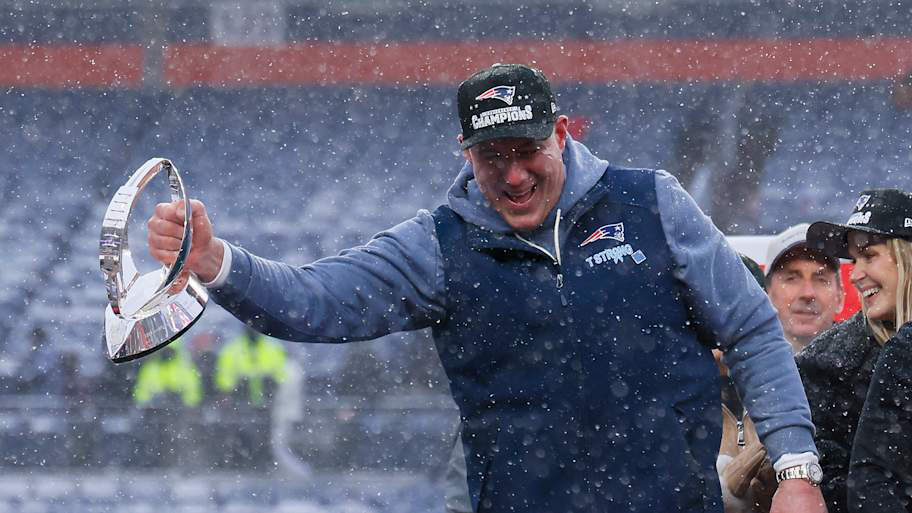
While Vrabel’s role in Cleveland didn’t carry a coordinator title, it gave him something arguably more valuable: perspective.
Away from the pressure of game-day decision-making, Vrabel had time to observe, collaborate, and refine his beliefs alongside one of the NFL’s most aggressive defensive minds.
That year in Berea looks less like a pit stop now — and more like a lab.
By the time Vrabel returned to the sideline in New England, his blueprint was fully formed.
Did the Browns Let Something Slip Away?
It’s a fair question.
Cleveland’s decision not to retain Vrabel wasn’t reckless. Kevin Stefanski had just signed an extension. Deshaun Watson’s Achilles injury clouded the franchise’s immediate future. Stability made sense.
But watching Vrabel now — orchestrating a Super Bowl defense built on principles sharpened in Cleveland — it’s hard not to wonder what might have been.
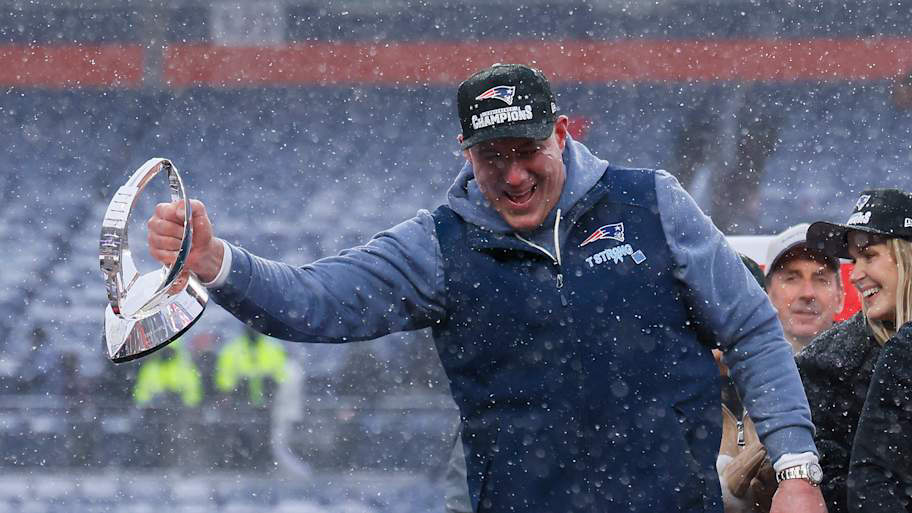
If anything, the Browns should be wary of history repeating itself. With Jim Schwartz’s future uncertain under the new Todd Monken regime, Cleveland risks once again watching a key defensive mind walk out the door… this time with a Lombardi Trophy possibly in hand.
Sometimes, the formula is there.
You just don’t realize it until someone else perfects it.
Leave a Reply