Nahshon Wright wasn’t supposed to matter.
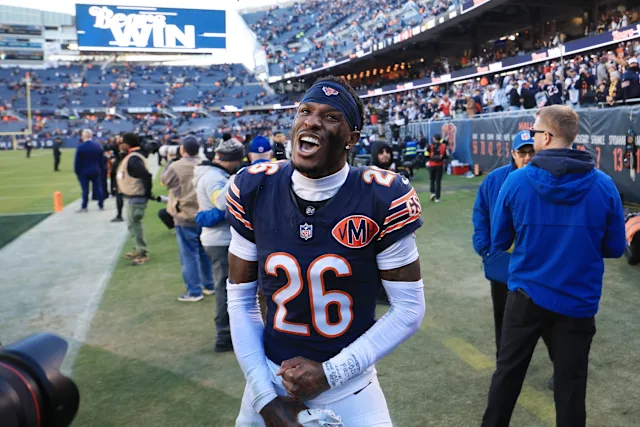
When the Chicago Bears signed him off the Minnesota Vikings’ practice squad in April 2025, it barely made a ripple. A depth move. A camp body. Insurance in case of injury.
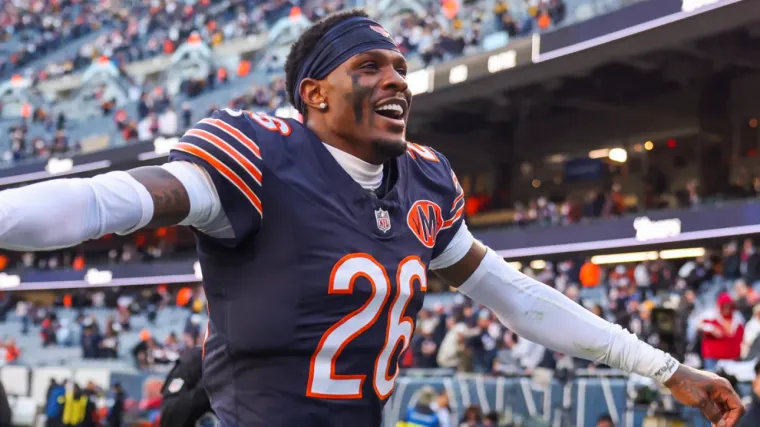
Less than a year later, he led the NFL in takeaways, earned a Pro Bowl nod, and turned a $1.1 million cap hit into what could become a life-changing payday.
And he did it quickly.
His first game against Minnesota included a pick-six. Months later, he became the defender who disrupted Philadelphia’s “tush push” with a perfectly timed Peanut Punch. The numbers tell the story clearly:
Four NFL seasons before Chicago: one interception.
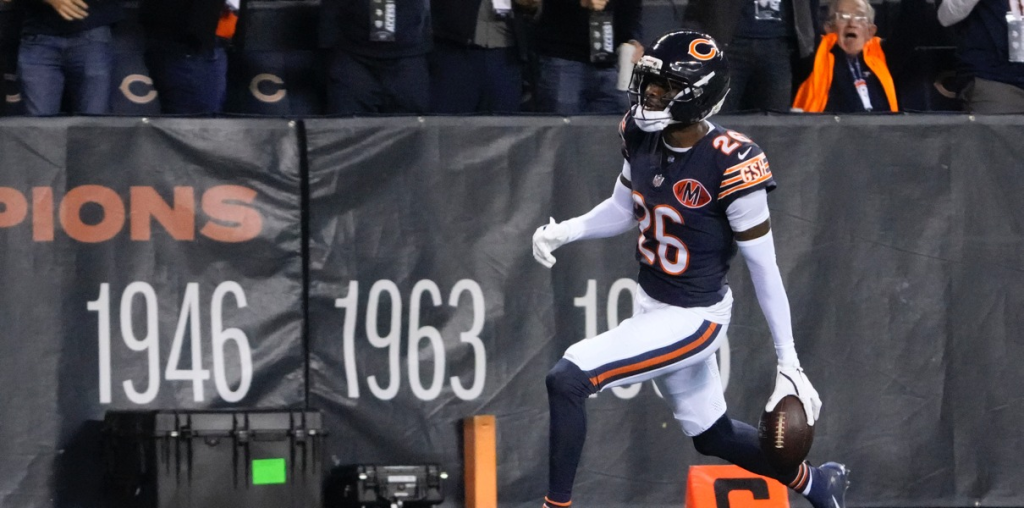
One season with Chicago: five interceptions, two forced fumbles.
That transformation didn’t just help the Bears.
It embarrassed a division rival.
There’s nothing more painful for a fan base than watching a discarded player thrive elsewhere — especially when he thrives against you.
The Bears have lived that reality themselves. Adrian Amos flourished in Green Bay after Chicago let him walk. Al-Quadin Muhammad rediscovered his pass rush in Detroit after barely registering in Chicago.
Development isn’t linear. Fit matters. Timing matters. Scheme matters.
And now, the Bears might be ready to weaponize that reality again.
With free agency approaching, NFC North rosters offer potential “Wright-type” opportunities — players undervalued by their current teams but capable of evolving in the right system.
Take Detroit’s DJ Reader. At 31, he’s still productive and projected at a modest contract. In a Dennis Allen-style defense, a veteran interior presence could stabilize Chicago’s front without headline money.
Or Malcolm Rodriguez — once strong in coverage and run support before injury derailed momentum. Not a flashy signing. But that’s exactly how Wright began.
From Green Bay, Kingsley Enagbare presents intriguing pass-rush metrics at a reasonable projection. He flashed win rates that quietly rivaled bigger names during stretches of 2025. Packers fans may see inconsistency. Chicago might see upside.
Then there’s Minnesota’s Jalen Nailor. Buried behind Justin Jefferson and Jordan Addison, Nailor quietly converted 10 of his 57 career catches into touchdowns. Limited volume. Efficient production.
Sometimes opportunity, not ability, limits perception.
The Bears’ front office under Ryan Poles has shown patience in roster construction. But Wright’s emergence may encourage a sharper eye for division castoffs — players familiar with NFC North schemes, climates, and rival tendencies.
There’s strategic value in that familiarity.
Beyond statistics, there’s psychology.
Signing a player a rival deemed expendable — and then watching him excel — chips at divisional confidence. It plants doubt. It alters evaluation processes internally.
It’s not revenge.
It’s leverage.
Of course, not every discarded player becomes Nahshon Wright. Some stay depth pieces. Some fade entirely. The margin between reclamation and redundancy is thin.
But Chicago doesn’t need every gamble to hit.
They need one more.
One more undervalued defender who fits their scheme better than his former team realized. One more rotational piece who blossoms under different coaching cues.
The NFC North has grown competitive. Green Bay remains dangerous. Detroit is ascending. Minnesota refuses to fully retreat.
If the Bears want to close the gap, headline signings help.
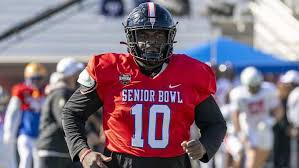
Hidden ones hurt more.
Because nothing stings like seeing yesterday’s afterthought become tomorrow’s problem.
Nahshon Wright proved it once.
The question now isn’t whether another opportunity exists.
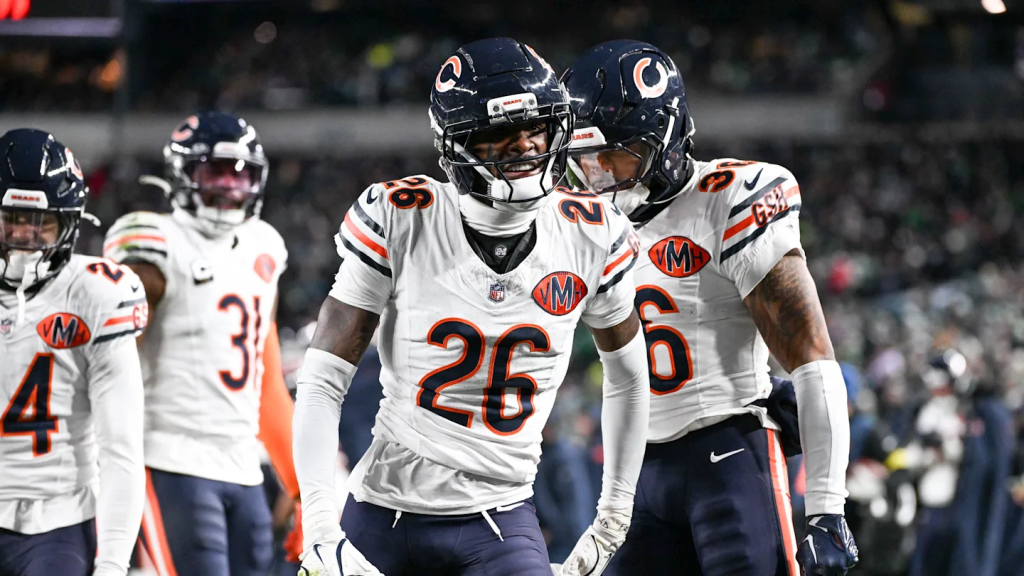
It’s whether Chicago identifies it before someone else does.
Leave a Reply