Athletics still haven’t signed “Big Kahuna” — Nick Kurtz — and it’s quite possible his asking price is too high, though perfectly reasonable. But one thing is undeniable: in this uncertain transition period, Athletics are doing what they promised — holding onto their core young players.
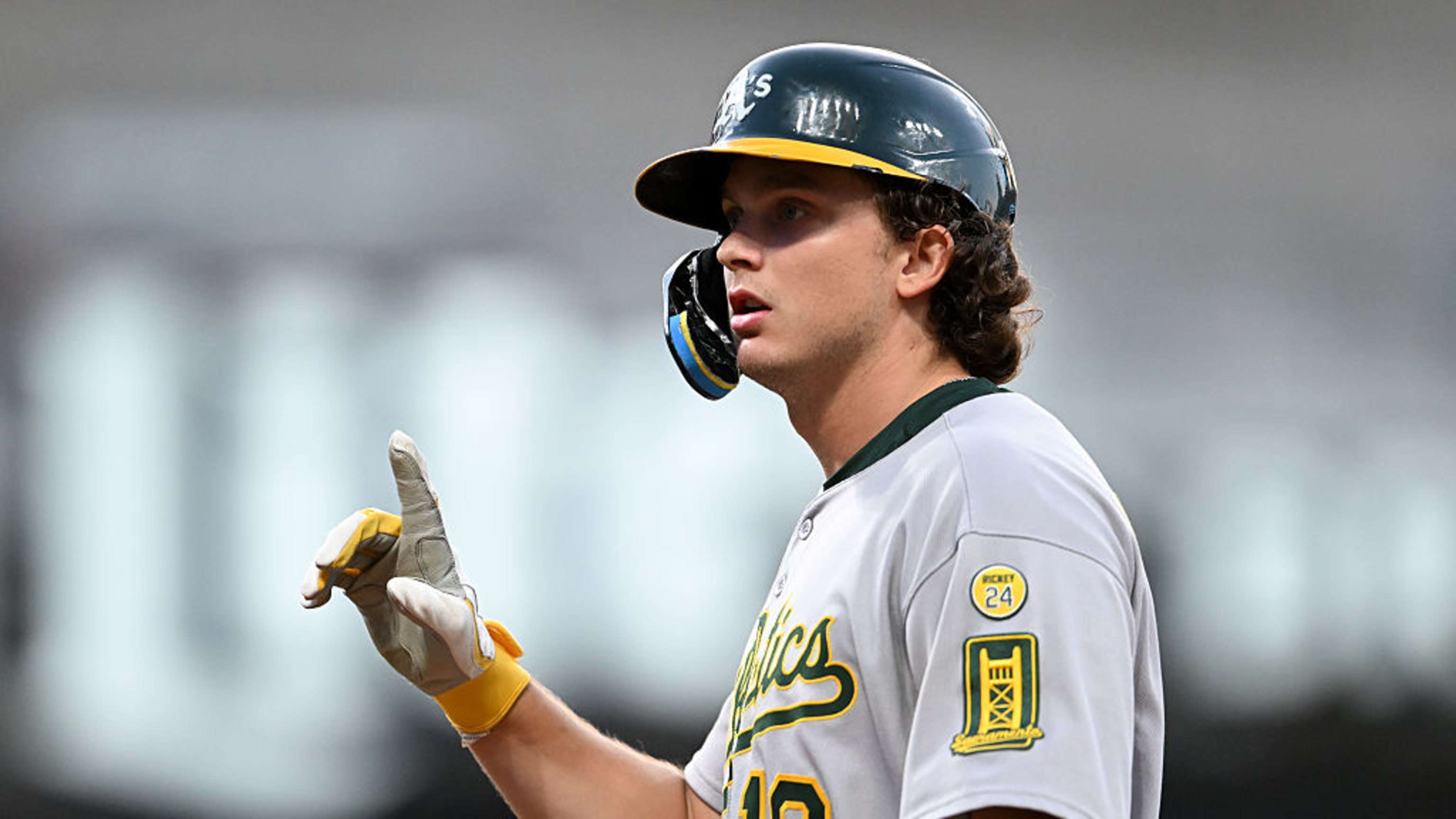
Jacob Wilson has just become the fourth player in the last two offseasons to sign a long-term contract, following Brent Rooker, Lawrence Butler, and Tyler Soderstrom. What do these four contracts have in common? They all extend far beyond the free agency mark, with options that benefit the team. Emotionally, fans are easily satisfied: beloved faces stay, a manageable AAV, and a sense of stability in an era of uncertainty regarding playing fields.
But the harder question is always: who wins in these extensions?
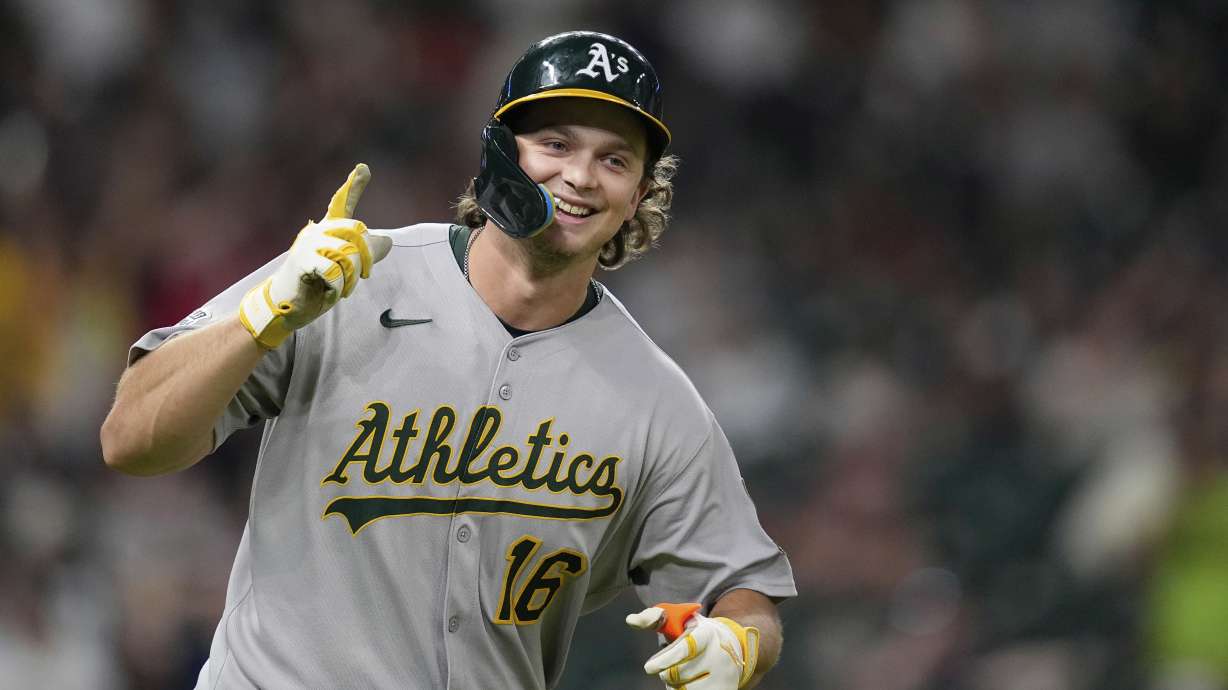
Extensions are like insurance. Players pay for certainty. Teams pay to mitigate risk. In the long run, the “bookmaker” usually wins — just like insurance. But for the player, the price of peace of mind is sometimes worth the trade-off: unexpected injuries, a freefall in form, or just one unlucky season can wipe out a multi-million dollar prospect.
For Wilson, the choice is clear: a guaranteed $70 million now, or a future that could be $80 million… or even $200 million. The value of the “first $70 million” is subjective — depending on risk tolerance, family circumstances, and belief in the next signing at age 30–31. This is a “luxury issue,” but a real one.

From the team’s perspective, A’s is willing to pay upfront. For the next two seasons, Wilson will receive far more than the minimum. But in return, three years of arbitration will be “flattened,” and more importantly, the 2–3 years after free agency could be bought for only around $10M/year — where the actual value is often much higher.
Risk? Yes. A “Rendon scenario” is always lurking: injury, a drop in form, or both. Then the contract becomes a burden that lasts longer than expected. That’s the price of certainty compared to year-by-year deals.
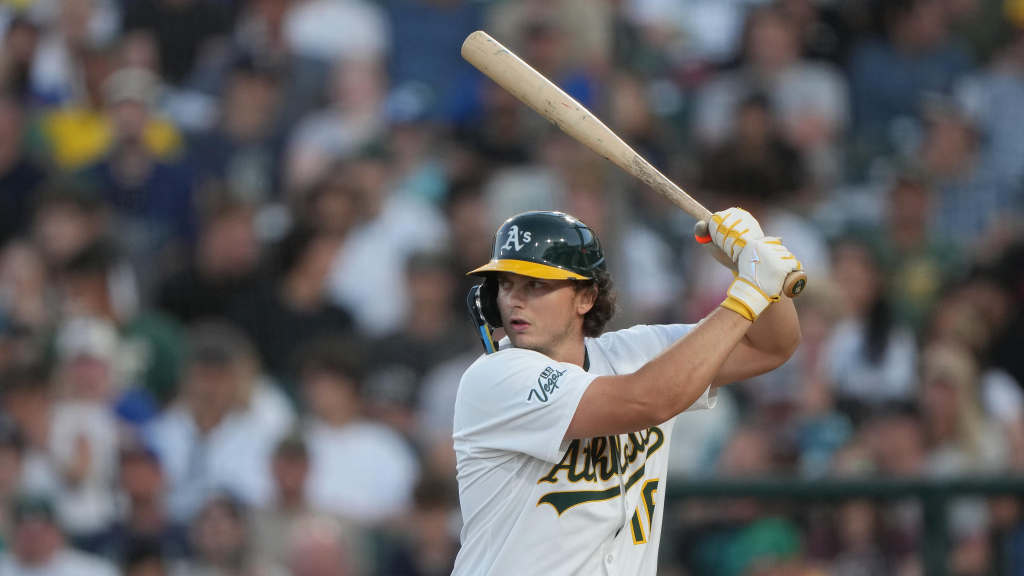
Where A’s can win big is in WAR.
Wilson, despite injury and a bad July, is still expected to reach around 3.5 fWAR in 2025. With the common calculation of 1 WAR ≈ $9M, he generates $31.5M in value in a single season. Assuming cautiously that Wilson maintains a 3.5 WAR throughout his 20s:
7 years × 3.5 WAR = 24.5 WAR
24.5 WAR × $9M = $220.5M value

Compared to the $70M A’s would pay — regardless of whether the final total WAR is positive or negative — this is enormous surplus value if the player is simply healthy and “decent”.
The same applies to Rooker, Butler, and Soderstrom. If a “core 4” only needs to maintain an average-to-good contribution, A’s will profit handsomely. Of course, they would also profit during the pre-arb period if signing a five-year contract, but extensions shift the risk to the player and allow them to buy in the most expensive years.
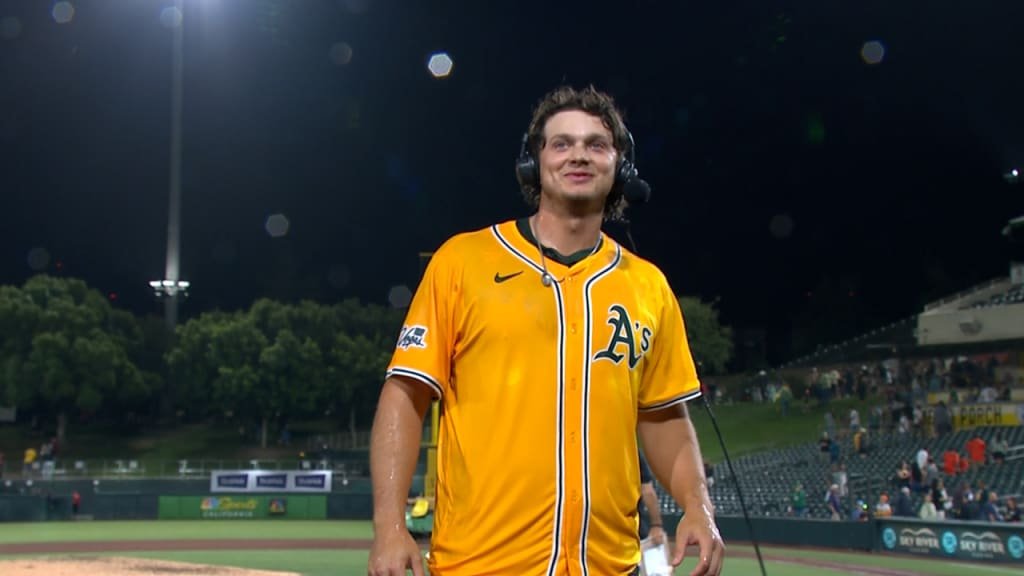
Current renewal list:
Brent Rooker: 5 years/$60M + vesting option
Lawrence Butler: 7 years/$65.5M + club option ($20M/$4M buyout)
Tyler Soderstrom: 7 years/$86M + club option ($27M/$2M buyout)
Jacob Wilson: 7 years/$70M + club option ($27M/$2M buyout)
This isn’t exact science; this is the art of risk management — and rarely is any art so well-funded. If A’s is right, they’re not just retaining people — they’re buying the future at a discount.
Leave a Reply