Carlos Mendoza enters the 2026 season in an uncomfortable but familiar position, managing the New York Mets while operating on an expiring contract that quietly reframes every decision and result.
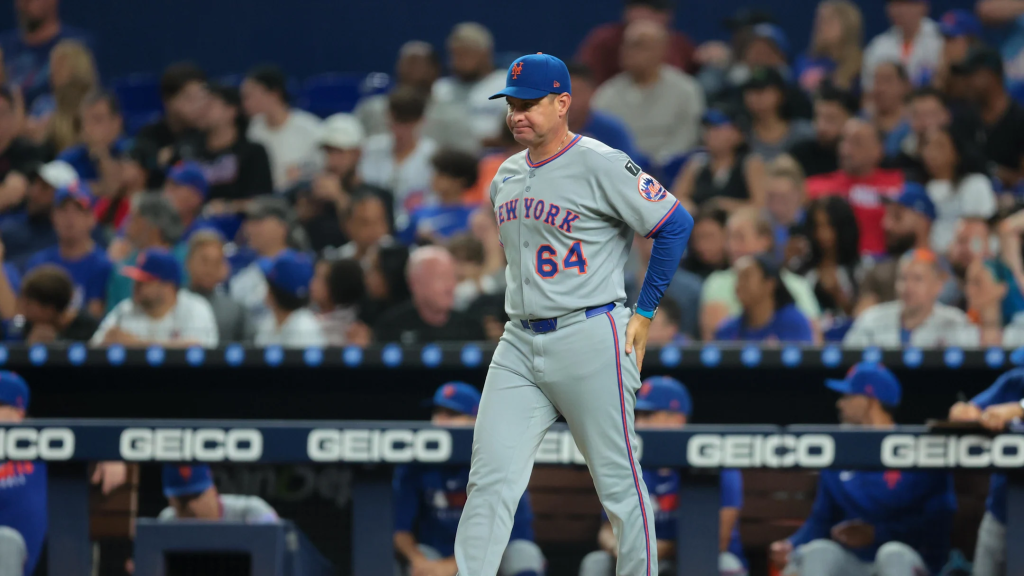
The Mets did not extend Mendoza, but they also did not remove him, choosing instead to let the season function as a prolonged evaluation rather than a clear endorsement.
That choice matters, because in Major League Baseball, expiring contracts rarely represent neutrality and far more often signal a narrowing margin for survival.
Across the league, this situation is not unusual, as nearly twenty teams are entering the season with managers or executives whose contracts expire at year’s end.
The outcomes for those individuals tend to follow a predictable pattern, regardless of public messaging or internal optimism expressed before Opening Day.
A poor start usually ends a tenure early, while an underwhelming finish often leads to a quiet dismissal once the season concludes.
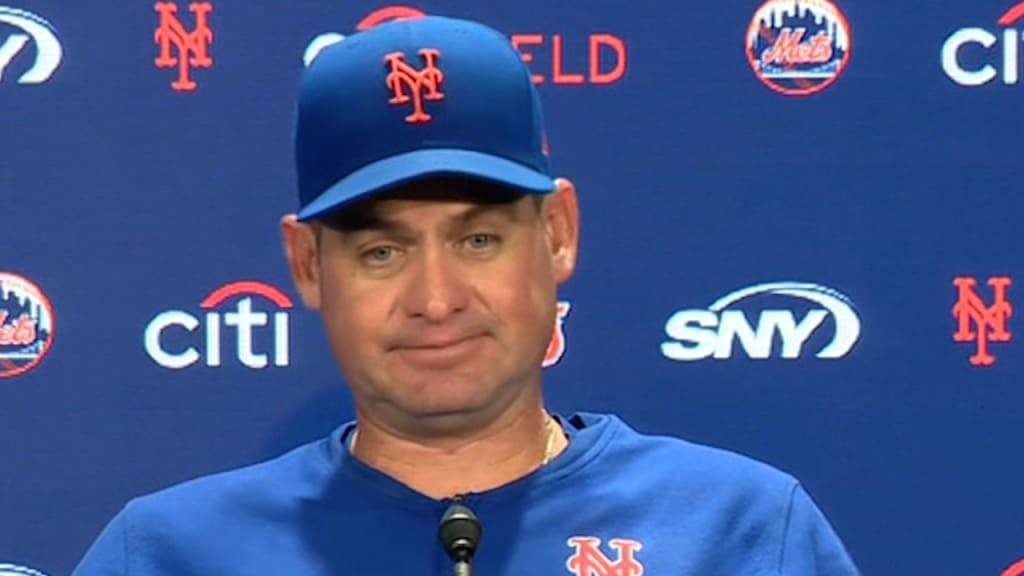
Mediocrity rarely saves anyone, and for Mendoza, that reality is unavoidable heading into a season where expectations are already elevated.
The Mets are expected to make the postseason in 2026, and simply reaching October will not be enough to justify a new contract.
Winning a playoff round could help, but it would still leave ambiguity, especially for a front office that measures progress through both results and process.
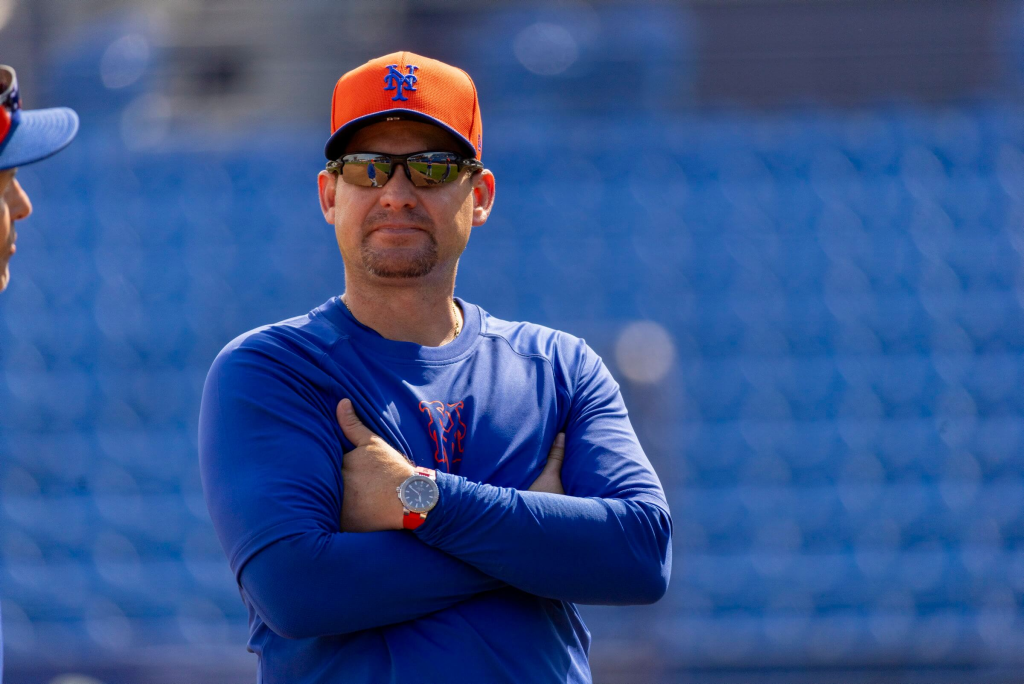
An appearance in the National League Championship Series would almost certainly secure Mendoza multiple additional years, establishing real continuity for the first time.
Anything short of that places the decision back in the hands of David Stearns, where style, preparation, and adaptability will be weighed heavily.
The Mets finished 2024 strongly after an uneven start, and that surge bought Mendoza valuable time entering the 2025 season.
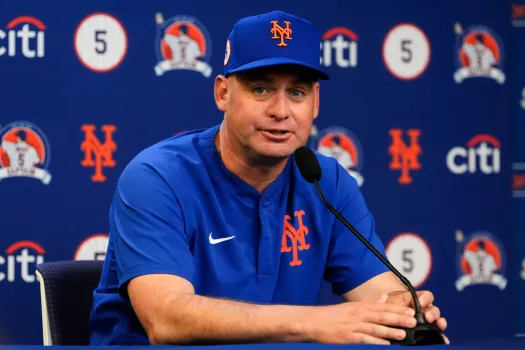
He no longer has that cushion, because 2026 is about confirming direction rather than stabilizing it.
Stearns’ managerial history offers little guidance, as Craig Counsell was inherited in Milwaukee rather than selected, and their eventual separation was clean and unsurprising.
Mendoza, however, was a handpicked choice, which should matter, but does not guarantee patience if a clearer alternative emerges internally.
That alternative may already exist in Kai Correa, whose analytical profile and organizational alignment appear increasingly consistent with Stearns’ preferences.
The coaching staff overhaul this offseason quietly reinforced that sense of transition rather than permanence around Mendoza’s role.
A full teardown of the staff seems unlikely unless the season collapses, suggesting a more controlled evolution rather than reactionary chaos.
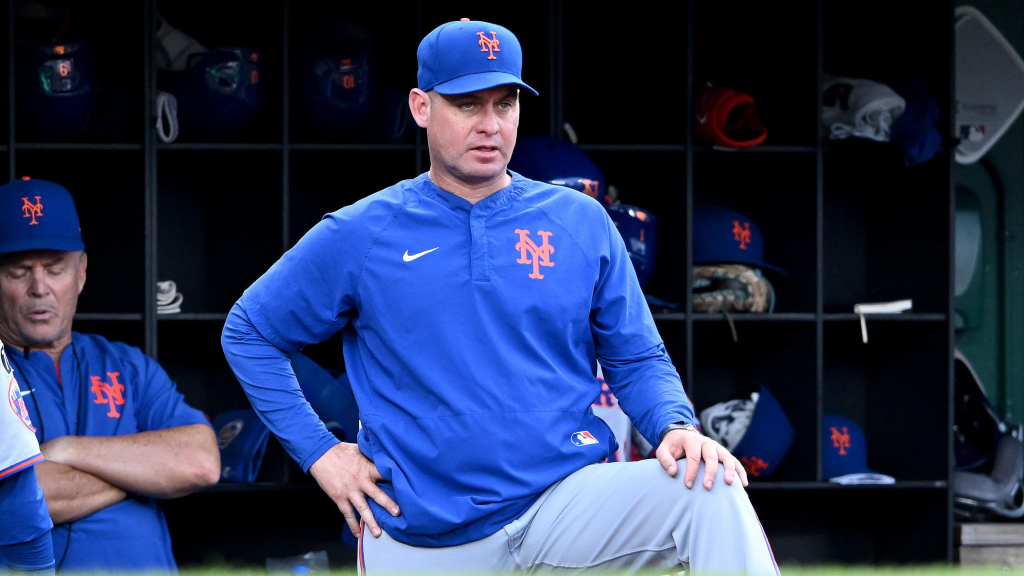
The Mets also retain a powerful symbolic option in Carlos Beltrán, currently in the front office but never far removed from dugout consideration.
One plausible scenario involves Correa ascending to manager while Beltrán steps into a bench coach role, preserving institutional continuity without radical disruption.
That outcome, however, becomes awkward if executed midseason, making a mutual separation after 2026 feel increasingly logical.
The Mets are unlikely to win a championship, not because of failure, but because the odds remain unforgiving even for talented rosters.
That reality provides Stearns with a clean exit path that avoids assigning blame while still allowing organizational change.
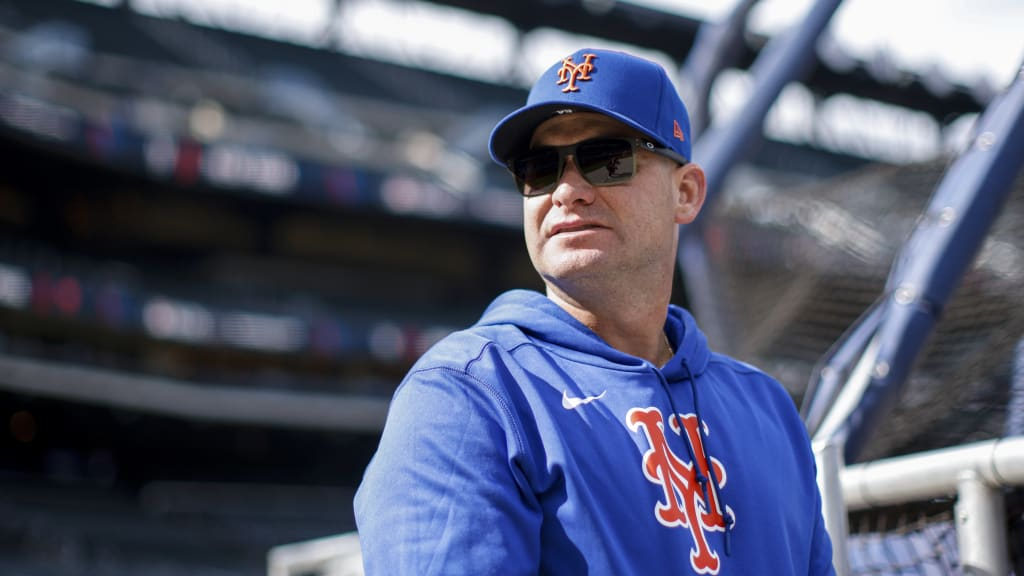
Mendoza, for his part, may welcome relief from the relentless scrutiny that accompanies managing in New York without contractual security.
His tenure would not be remembered as unsuccessful, but rather as transitional, stabilizing, and ultimately insufficient for the direction Stearns intends to pursue.
In the end, Carlos Mendoza’s story with the Mets is unlikely to end abruptly or bitterly, but quietly, professionally, and with both sides already looking ahead.
Leave a Reply