What should have been a flawless moment nearly slipped into discomfort. And then, days later, it turned into something far more powerful.
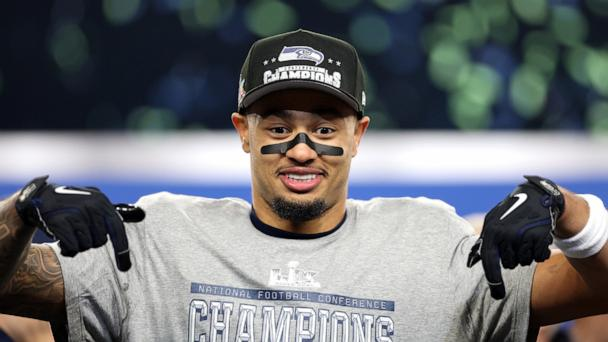
Jaxon Smith-Njigba’s 2025 season ended the only way stars dream of — with a Lombardi Trophy in his hands and a legacy beginning to take shape. But just before that triumph, his name became the center of an uncomfortable national moment.
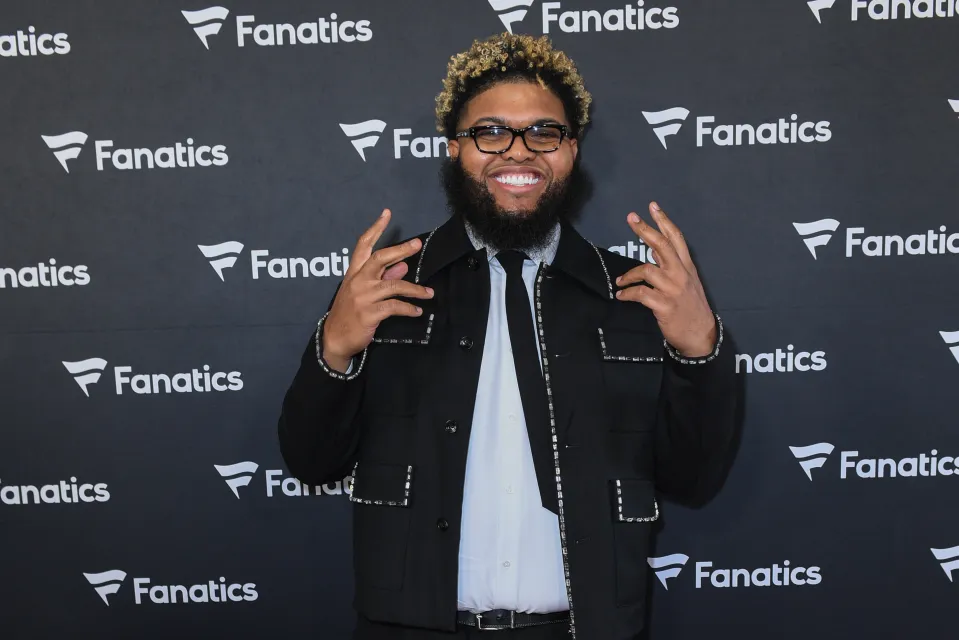
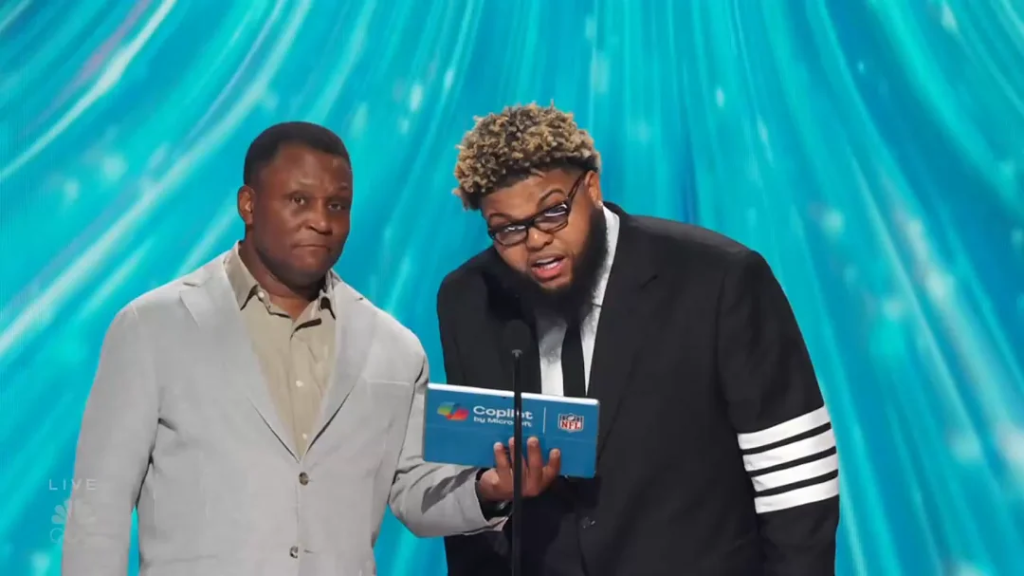
At NFL Honors, Smith-Njigba was recognized as the league’s Offensive Player of the Year after a historic breakout season. Standing beside Hall of Famer Barry Sanders, comedian Druski took the stage — and quickly drew backlash for what many viewed as disrespectful handling of the moment, including deliberately mangling Smith-Njigba’s name.
The room felt it. The league felt it. And the internet reacted instantly.
What made the moment sting wasn’t just the misstep — it was timing. This wasn’t a roast. This wasn’t a skit. It was the culmination of a season where Smith-Njigba had carried Seattle’s offense after DK Metcalf’s departure, posting 1,793 receiving yards, 10 touchdowns, a first-team All-Pro nod, and redefining the Seahawks’ identity with Sam Darnold under center.
For many, the moment overshadowed what should have been pure celebration.
Smith-Njigba didn’t respond that night. He didn’t post. He didn’t react. He waited.
Then came Super Bowl LX.
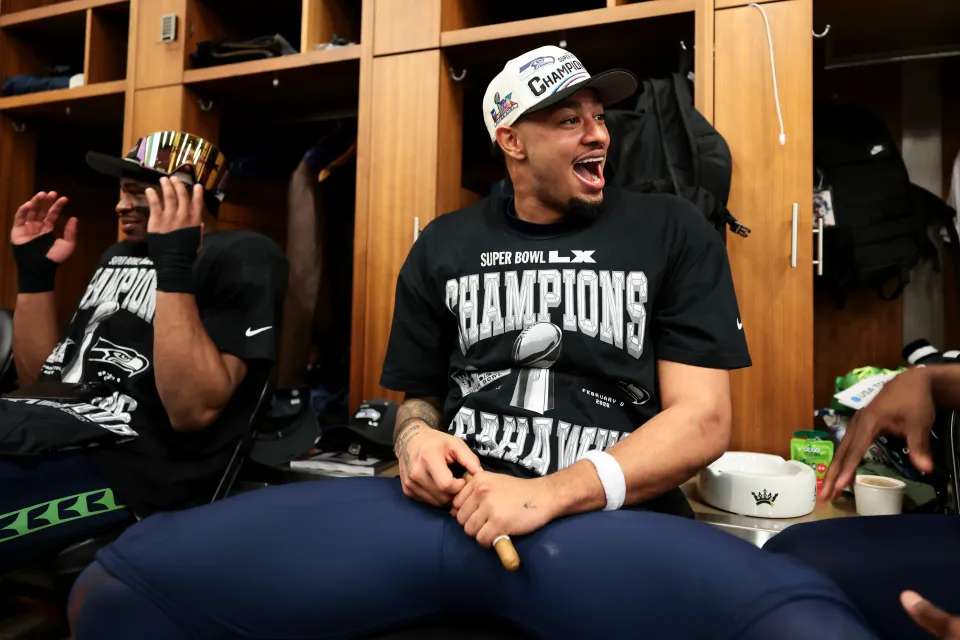
Seattle dominated New England. The defense suffocated. The offense did just enough. Smith-Njigba’s stat line was quiet — four catches, 27 yards — after he briefly exited for concussion evaluation. But the night wasn’t about numbers. It was about timing.
After the game, a reporter asked Smith-Njigba a simple question: what does his full name mean?
The answer didn’t sound rehearsed. It sounded resolved.
“Jaxon Smith-Njigba,” he said. “Put respect on it.”
Then he paused — and reframed everything.
He spoke about Sierra Leone. About his grandfather arriving in the United States in the 1970s. About working for everything. About bringing family over. About leadership, pride, and responsibility.
“I represent him. I represent my family. I represent Sierra Leone,” Smith-Njigba said. “Bo. Freetown. It’s an honor just to even say that.”
It wasn’t a clapback. It was a reclaiming.
For years, Smith-Njigba has worn the Sierra Leone flag on the back of his helmet — a detail some fans noticed, others didn’t. After his grandfather passed away in 2014, he leaned even more intentionally into the Njigba name, carrying it forward not as branding, but as lineage.
That context changed everything.
What happened at NFL Honors didn’t define the week. Smith-Njigba did. On the sport’s biggest stage, after winning a championship, he chose to explain rather than accuse, to honor rather than attack.
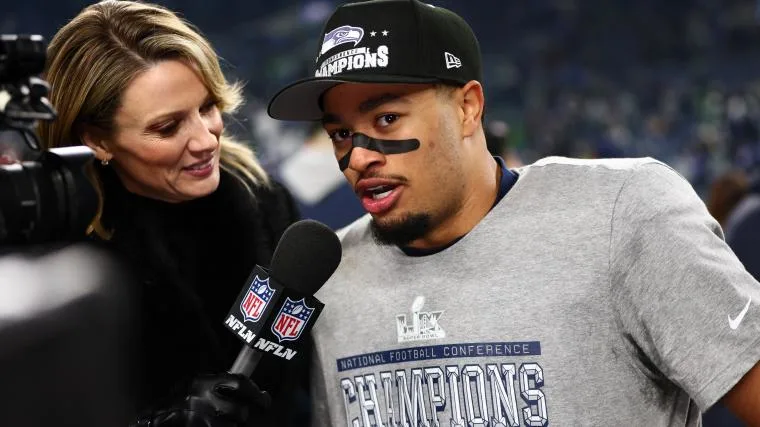
The contrast was stark. One moment tried to shrink his identity. The next expanded it in front of the world.
Teammates noticed. Fans noticed. Even the silence afterward carried meaning. There was nothing left to debate.
Smith-Njigba later credited the Seahawks’ unity for the title — a group that believed early, worked quietly, and never chased validation. That same philosophy echoed in his response.
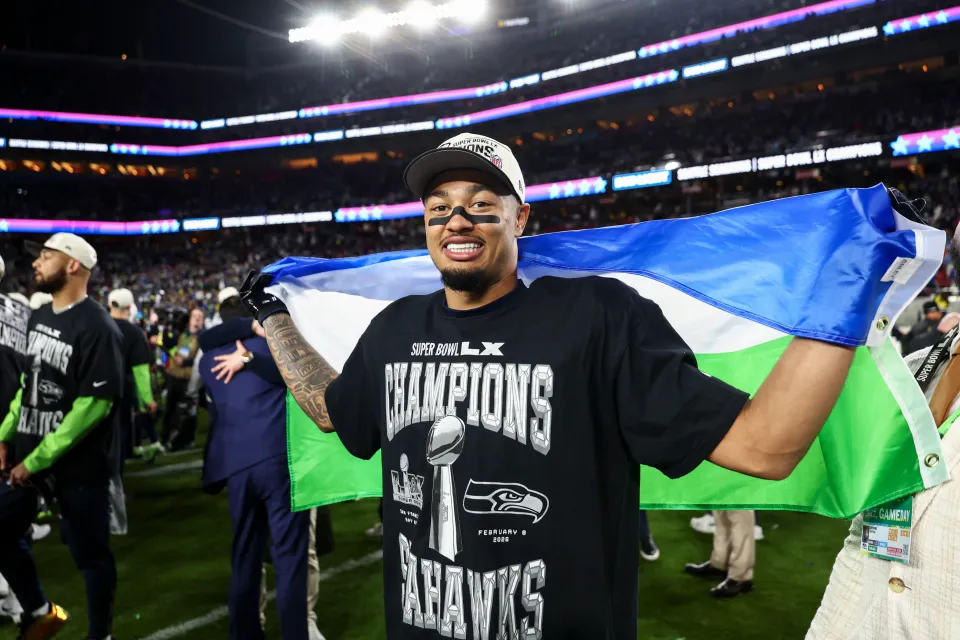
No outrage. No distraction. Just clarity.
In a league that often turns controversy into noise, Smith-Njigba turned it into grounding. He didn’t demand respect. He explained why it already existed.
And that’s why this moment lingered longer than the joke ever could.
Because sometimes the most powerful response isn’t volume — it’s ownership.
Leave a Reply