For years, the Houston Astros’ farm system has been discussed in the same breath as decline, exhaustion, and inevitability. Rankings confirmed it. Optics reinforced it. Fans accepted it.
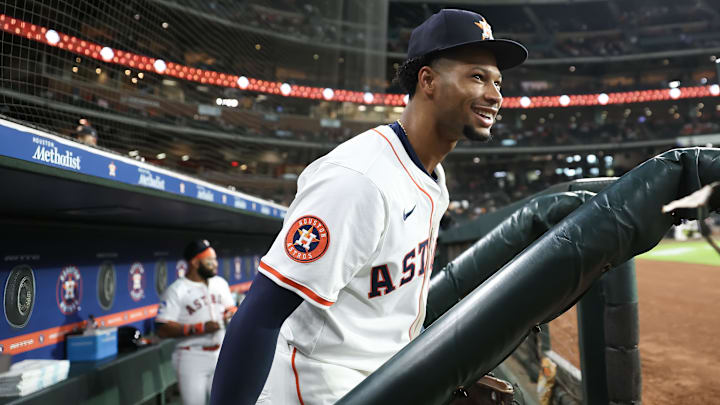
Jul 24, 2025; Houston, Texas, USA; Houston Astros second baseman Brice Matthews (28) walks out of the dugout onto the field before the game against the Athletics at Daikin Park. Mandatory Credit: Troy Taormina-Imagn Images | Troy Taormina-Imagn Images
MLB Pipeline placed Houston 29th in its 2025 midseason update. That wasn’t an anomaly. It was simply the latest confirmation of a long, uncomfortable trend.
Even the system’s recent “high point” feels telling. Ranked 27th in 2023, the Astros never truly escaped the bottom tier. They merely hovered above embarrassment.
Now, new prospect rankings for 2026 are arriving, and ESPN’s list delivered what looked like a final verdict. Zero Astros prospects in the top 100.
On the surface, that sounds bleak. Almost definitive. The kind of number that ends debates rather than starts them.
Yet that absence may be hiding a quieter reality. One that doesn’t fit neatly into rankings, but keeps resurfacing when executives start talking privately.
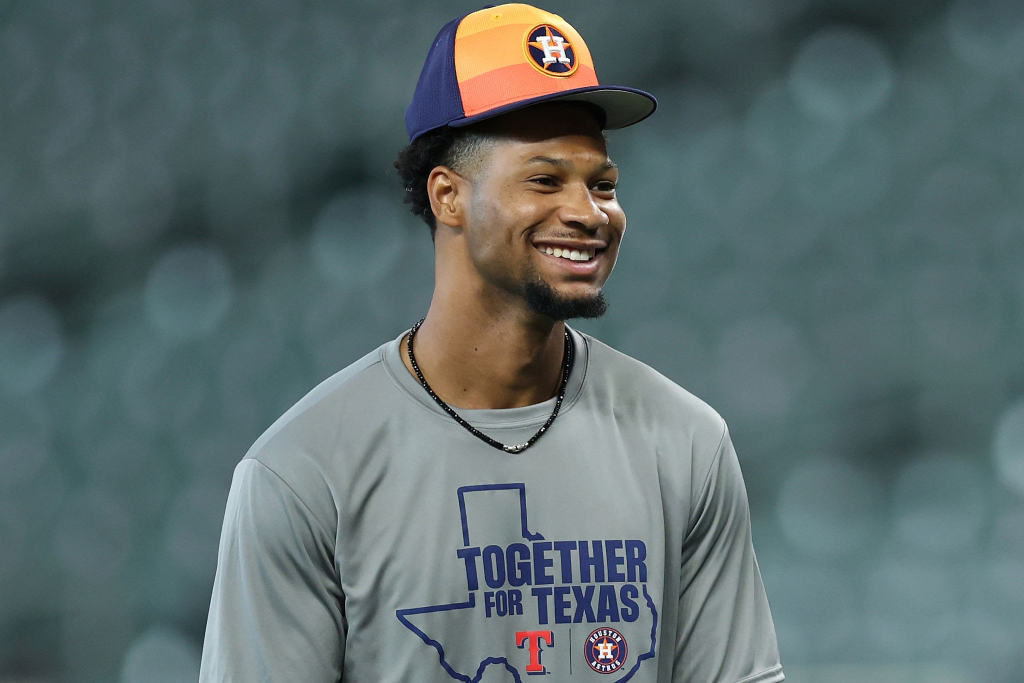
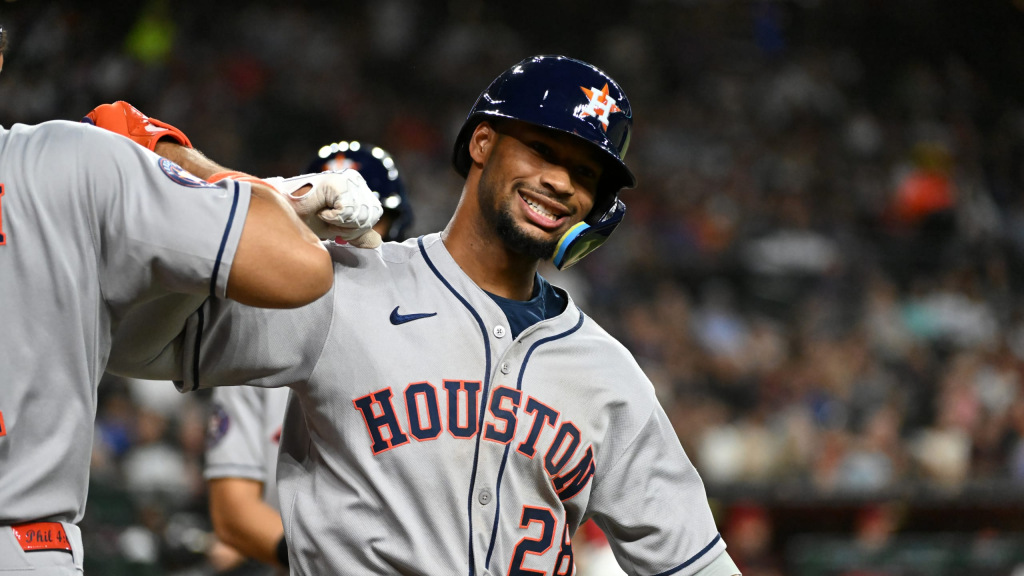
Two Astros prospects barely missed ESPN’s cutoff. Brice Matthews landed at No. 109. Xavier Neyens followed far behind at No. 185.
Neither ranking jumps off the page. Neither sparks excitement on social media. But context matters more than placement here.
Matthews is not a distant project. He’s close. Close enough to realistically impact the major league roster as early as 2026.
Neyens, meanwhile, represents something different entirely. A highly regarded high school bat, freshly drafted, untouched by professional pitching, still existing mostly as projection.
Those are the types of names that don’t move rankings yet, but tend to move quickly once development catches up to expectation.
And they’re not alone.
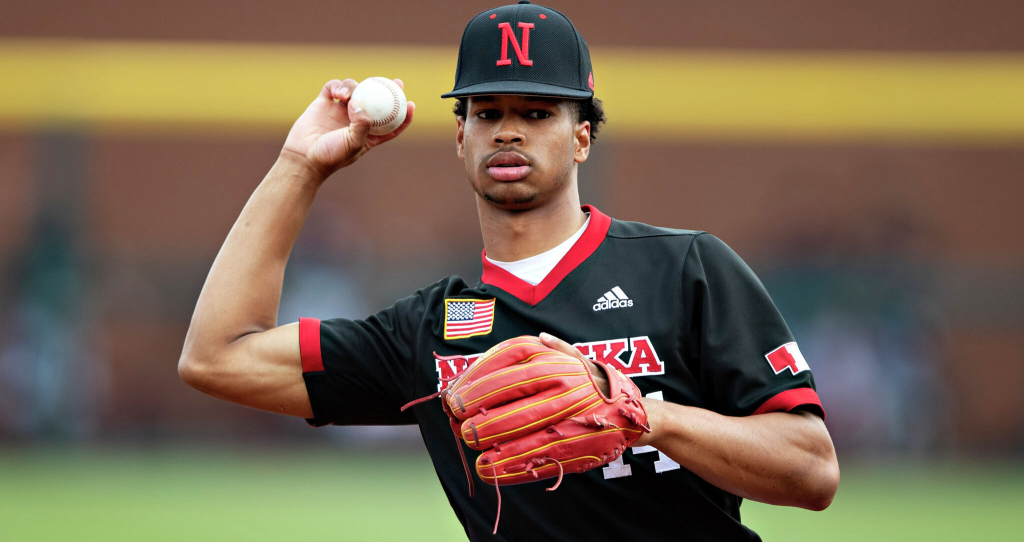
One name keeps surfacing internally and among scouting circles: Ethan Frey, Houston’s 2025 third-round selection out of LSU.
Frey arrived in Single-A Fayetteville quietly. He left anything but quietly. A .330 average. A .434 on-base percentage. A controlled, mature offensive profile.
No one is calling him a star yet. That’s not how breakouts begin. They start with questions, not declarations.
Behind him, the system shows signs of something it hasn’t had in years: layers.
Pitchers like Ethan Pecko and Miguel Ullola are no longer viewed as organizational depth. They’re viewed as potential contributors, possibly sooner than expected.
At lower levels, evaluators are noticing something subtle but important. Fewer empty roster spots. Fewer placeholder prospects. More legitimate upside tickets.
It doesn’t suddenly make Houston’s system good. But it does make it less hollow than its reputation suggests.
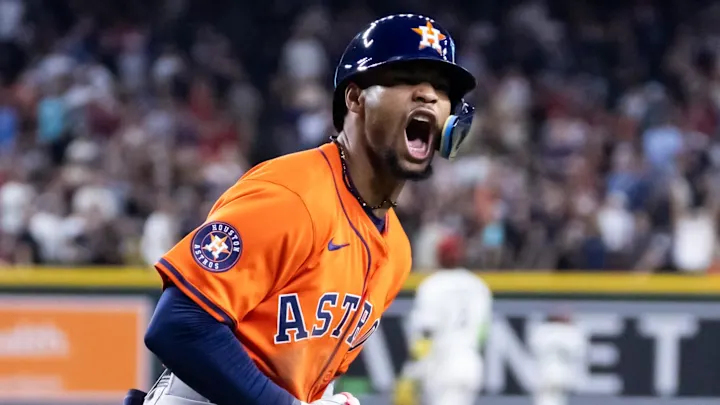
What complicates the narrative further is how rival executives see the Astros.
In a January poll, Houston received votes for best international market usage, best prospect acquisition via trades, and best sleeper development.
Those aren’t categories given out of sympathy. They’re based on patterns. Quiet, repeatable patterns.
The reasons for Houston’s farm drought were never mysterious. Years of contention. Aggressive deadline buying. And, critically, penalties tied to the sign-stealing scandal.
Draft capital disappeared. International spending shrank. Development timelines stretched thin.
Now, those constraints are easing. Not fully lifted, but loosened enough to allow accumulation again.
That accumulation doesn’t announce itself loudly. It shows up slowly, in near-misses, breakout candidates, and depth charts that stop looking fragile.
The Astros are not suddenly flush with elite prospects. No one is claiming that.
But the system may be closer to functional relevance than fans have been led to believe.
And if that’s true, the real question isn’t where Houston ranks today.
It’s how many people will notice the shift before the rankings finally catch up.
Leave a Reply