There are some numbers that sound impressive at first glance.
95.7 mph.
Four strikeouts.
Seven swing-and-misses on nine swings.
But for Emerson Hancock, it wasn’t just a spring statistic. It was an alarm bell.
Six years after his first-round selection, Hancock no longer had time for “fun.” No more analyses like: good command, decent sequencing, could be a back-end starter. At this age, with that amount of time, “decent” started to sound more like “replaceable.”
And he understood that.
One shot, two versions
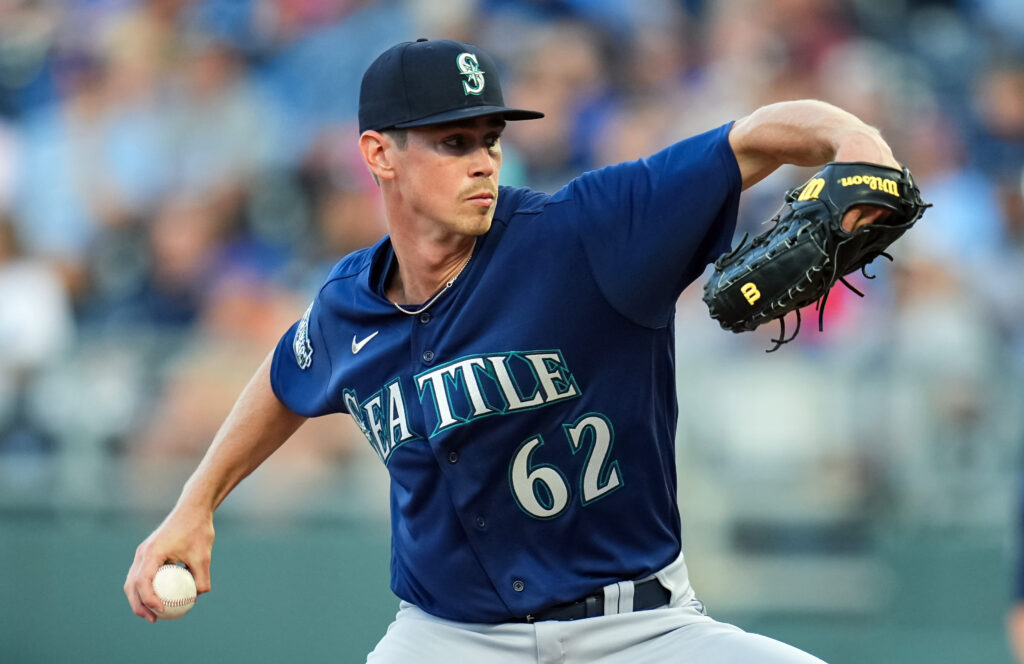
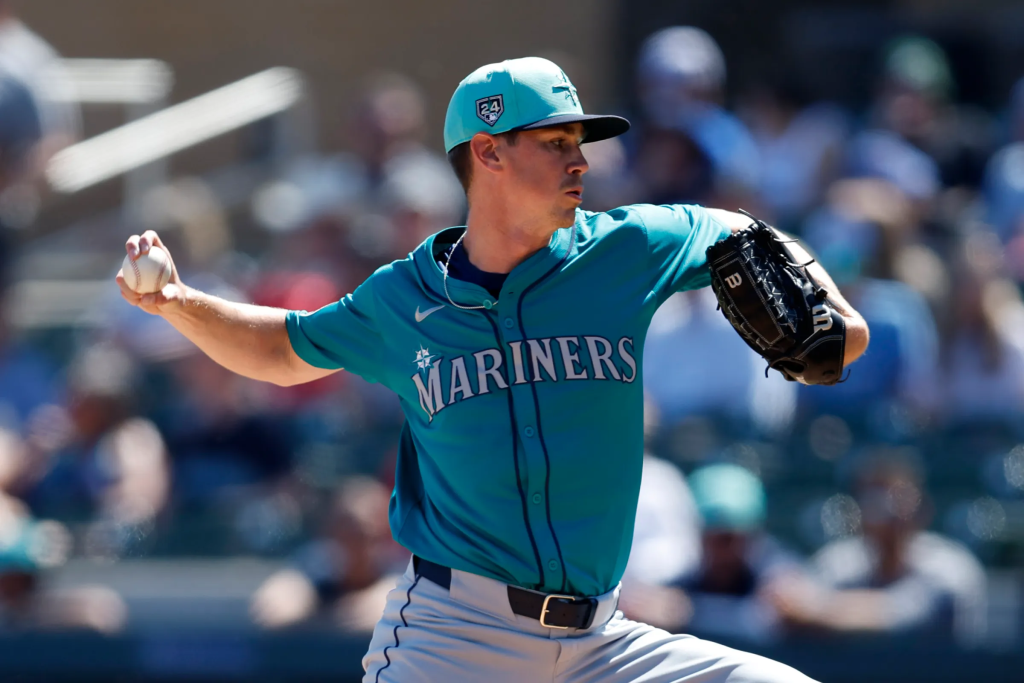
In his Spring Training debut on February 21st, Hancock looked completely different. His fastball didn’t just hit 95.7 mph – it actually beat his opponent’s club. The four-seamer had power, intent, and an aggression rarely seen before.
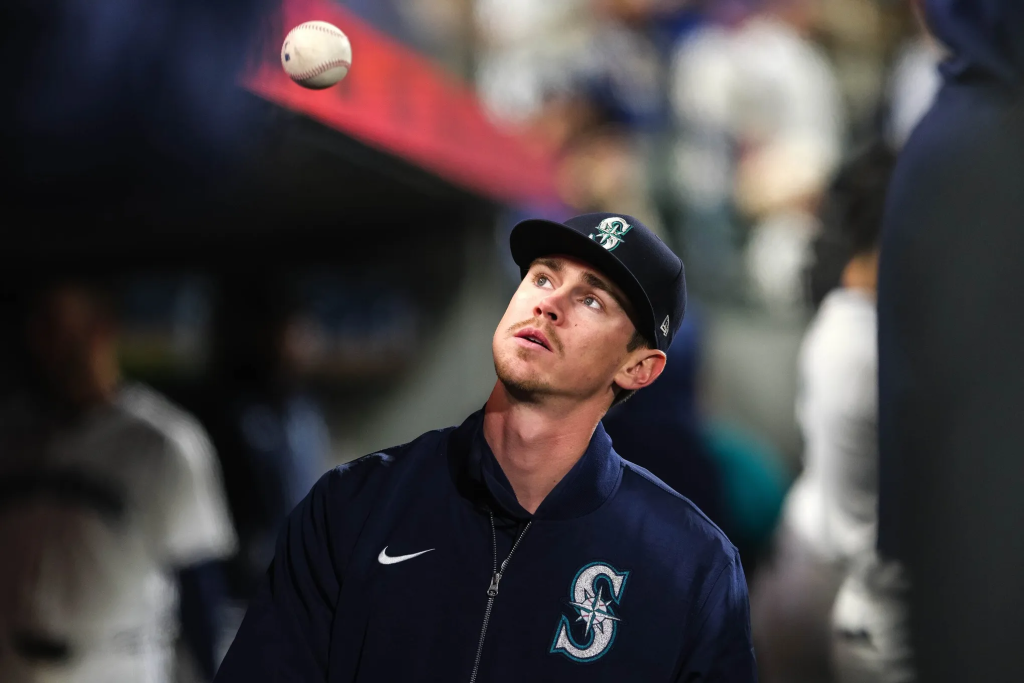
Velocity didn’t lie. In modern MLB, speed is what can save you on days when things aren’t going perfectly. And it seems Hancock has decided: if he has to bet, he’ll bet on “gas.”
But then… the familiar truth emerges.
After the first inning, the pace slows down slightly. Command starts to falter. He can’t complete two innings perfectly. The old version is still there – the version that makes each at-bat feel heavy when he loses lane.
Spring Training doesn’t decide fate. But it leaves a mark.
And the mark is clear: a better version of Hancock exists. But the disappointing version is right beside him, just waiting to be called upon.
The pressure is no longer theoretical.
What makes this season different isn’t the radar gun. It’s the roster.
Hancock only has one minor league option left. If he doesn’t secure a position, or at least build enough confidence within the team to keep him, things become… awkward.
Sending him down again isn’t “development.” It’s a step closer to a waiver. And once you’ve run out of options, you can’t “keep” him. You’re exposed.
With an organization like the Seattle Mariners—where pitching depth is always carefully calculated—no one is kept just because of their past draft position.
The coincidence isn’t accidental.
There’s one noteworthy detail: the sharpness in Hancock’s eyes this spring isn’t accidental. It came at a time when he had no other choice.

His 94–96 mph velocity, if maintained, could change how the team sees him. If he learns to “close innings” even when command wavers, he could go from a question mark to a real tactical tool.
But baseball doesn’t reward disjointed moments. It rewards repetition.
An impressive 1.2 inning was the start. But what Hancock never really possessed was the ability to “stack it”—to build up performances like that week after week.
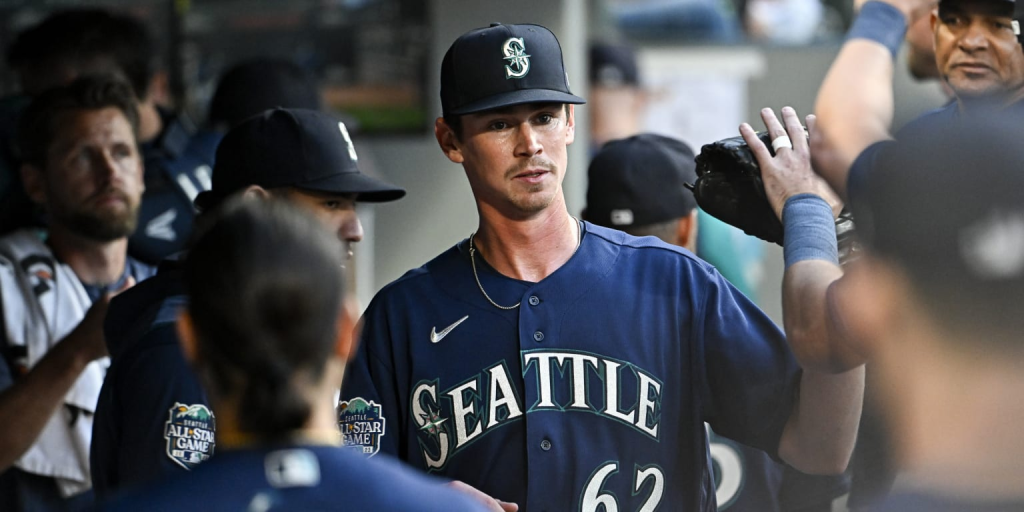
In the team video, he looks full of energy. In the next game against the Cincinnati Reds, his gaze will be scrutinized more closely. Not for strikeout. But for consistency.
No longer a potential story
At this point, the question isn’t “Does Hancock have potential?”
The question is: is he cool enough to maintain that 95.7 mph version when things start to go off track?
Promising start? Yes.
But in a “make-or-break” season, a promising start sometimes only makes the fall harder.
Will 2026 be the season he truly becomes useful… or the season people start talking about him in the past?
Leave a Reply