The Toronto Blue Jays’ 50th anniversary celebration didn’t just kick off — it began with a deeply symbolic decision.

A short video, posted on social media on February 2nd, was enough to stir emotions. Joe Carter — the World Series hero — was informed that he would have his own statue at the Rogers Centre in July. No big stage. No elaborate script. Just a moment of Carter’s silence, tears welling up, as Mark Shapiro and Paul Beeston said what should have been said long ago.
Joe Carter will be “frozen” in Toronto’s collective memory.

The statue will be unveiled on July 18th, before the game against the Chicago White Sox, between Gate 5 and Gate 6 — a location that tens of thousands of people pass through each game. That same day, the first 15,000 fans will receive a replica of the 1992–1993 World Series championship ring. A month later, replicas of the statue will also be distributed.
Everything was perfect. But what started the uproar was another statue.

The Ted Rogers statue—a symbol of corporate power that once occupied a central spot outside the arena—was going to be moved. Not demolished. Not denied its historical significance. Just… moved to the company office. A decision Rogers explained very gently: space was needed to honor Joe Carter and the championship teams.
But the underlying message was clearer.
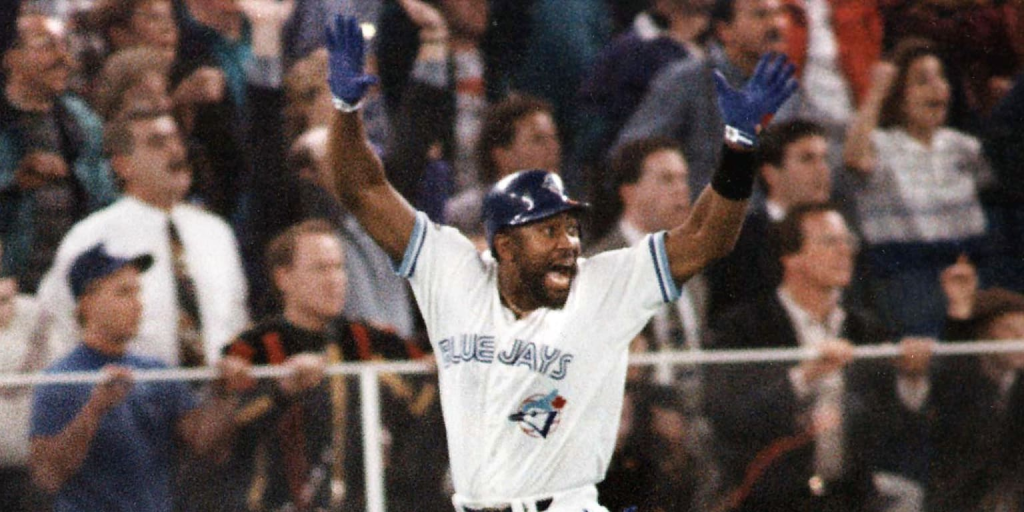
The Rogers Centre was never the right place to honor a CEO—no matter how influential he was. Ted Rogers’ 2000 acquisition of the team didn’t define the Blue Jays for the city of Toronto. It never did. And for years, the fact that fans walked into the arena without seeing a pure symbol of Blue Jays history was a void… difficult to excuse.
Joe Carter filled that void.

The 1993 home run didn’t just end the World Series. It became a shared memory for an entire generation. And having to wait until the 50th anniversary for that to be “engraved in bronze” speaks volumes about how the Blue Jays have treated their own legacy.
The decision to move the Ted Rogers statue isn’t a denial of the past—it’s a rearrangement of priorities. Putting baseball before business. Putting collective memory before ownership.
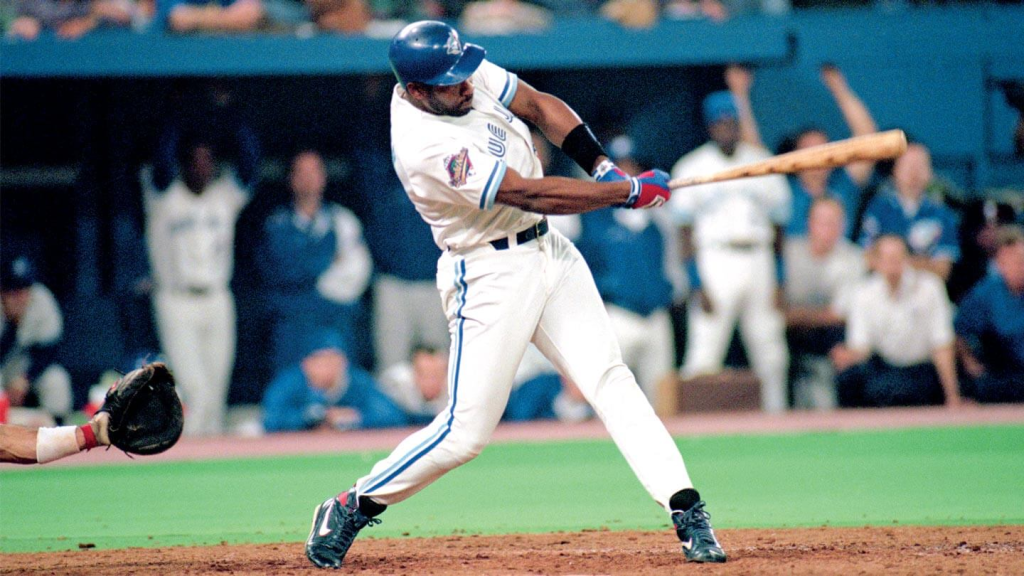
The bigger question begins to emerge: is this the beginning?
The Toronto Maple Leafs have Legends Row. The Raptors have their own icons. The Blue Jays, until now, have been almost empty-handed in that respect. Joe Carter is certainly the first worthy. But he can’t be the last.
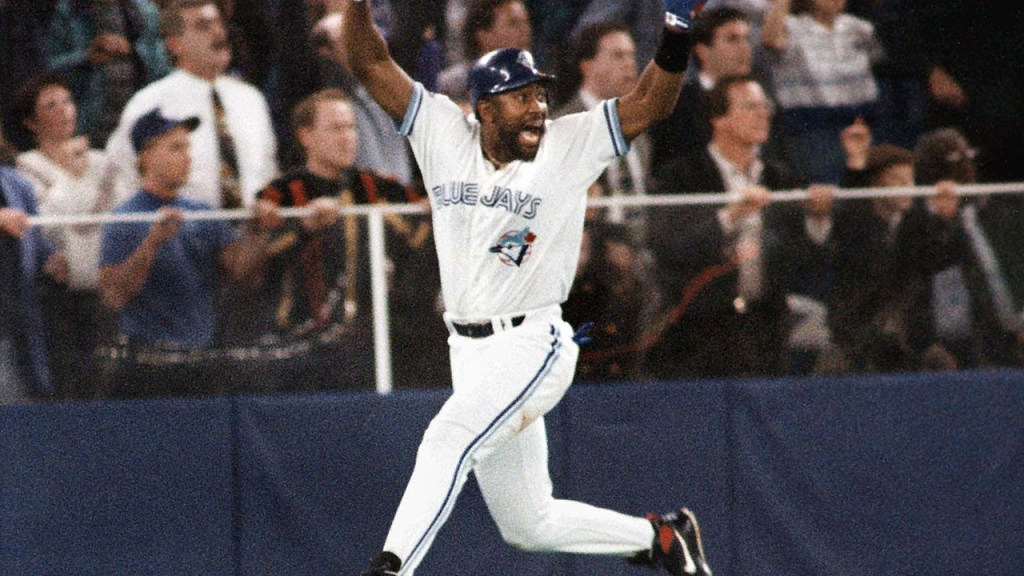
50 years is a milestone. And the way the Blue Jays opened their celebration shows they finally understand what fans have long known: history doesn’t just need to be remembered—it needs to be seen.
Joe Carter stood there, between Gates 5 and 6, not just as a statue. He was a belated affirmation that this was the story the Blue Jays wanted to tell.
Leave a Reply