Milestone anniversaries are supposed to be forward-looking.
But when Joe Carter speaks, Toronto still turns backward — instinctively.
As the Blue Jays prepare to celebrate their 50th season in 2026, the organization has chosen its centerpiece: a statue of Carter, immortalizing the swing that ended the 1993 World Series and sealed back-to-back championships. The decision was expected. The timing was symbolic.
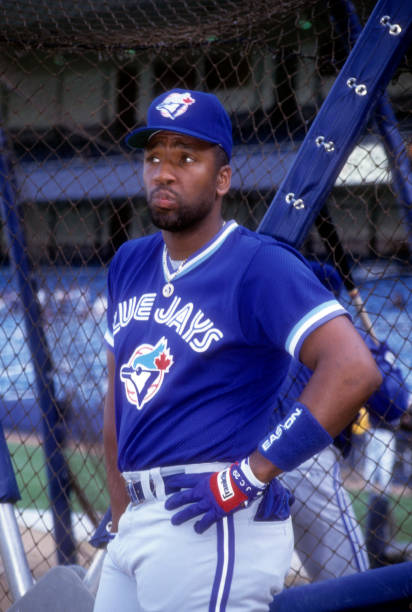
The message Carter delivered alongside it, however, landed differently.
“It’s not about one person,” Carter said. “It’s about the whole team and the whole city… a whole country.”
On the surface, it was humility. Beneath it, something more revealing.
Because if it truly weren’t about that moment anymore, it wouldn’t need repeating.
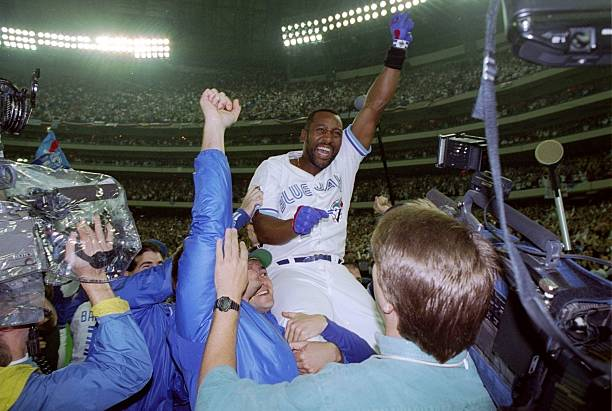
Carter’s walk-off home run in Game 6 of the 1993 World Series has long outgrown its box score. It wasn’t just a championship clincher — it was baseball’s final punctuation mark north of the border.
Only the second walk-off homer ever to end a World Series. Final. Perfect. Unarguable.
And thirty-plus years later, it remains the emotional apex of the franchise.
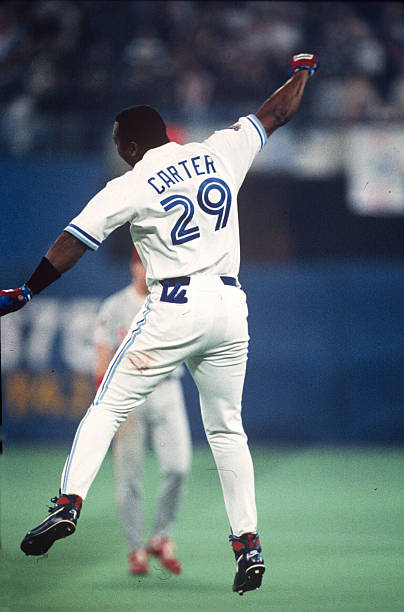
That’s why this 50th-season celebration feels less like a reunion and more like a reckoning. The Blue Jays aren’t simply honoring history — they’re re-centering it.
Carter was careful with his language. He framed the statue as a symbol of unity, of fans, teammates, and a country that embraced baseball because of that moment.
But the subtext is unavoidable: no subsequent achievement has eclipsed it.
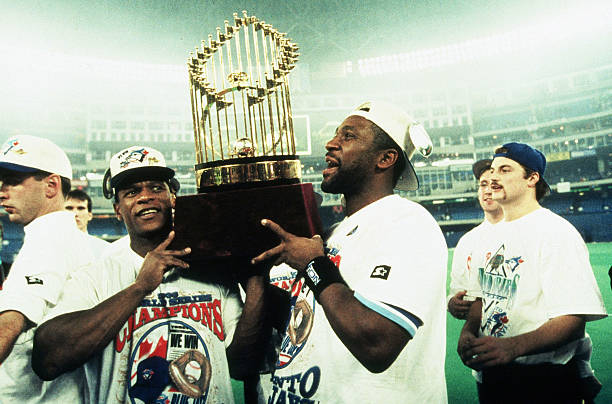
Toronto has been good since. At times, very good. They’ve produced stars, contenders, and unforgettable playoff series — including a recent seven-game World Series clash with the Dodgers that reintroduced the Blue Jays to the global stage.
Yet even that run was framed in contrast.
Back then, they finished the story.
Now, they remind us they once did.
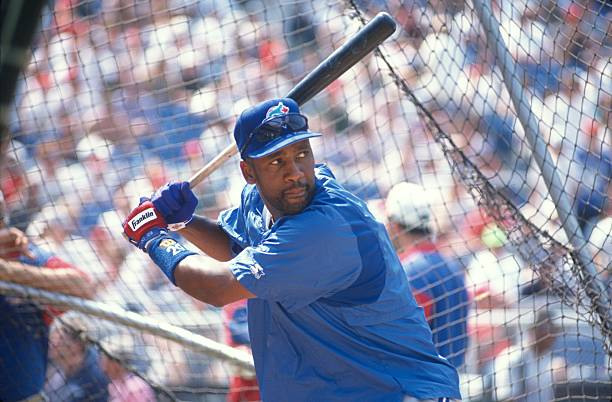
Carter’s plan for the 50th season isn’t about innovation or reinvention. It’s about gathering everyone around the same memory and letting it speak again. That choice reflects confidence — but also dependence.
When franchises reach true renewal, their legends become reference points, not focal points. In Toronto, 1993 still occupies the center.
And Carter understands that burden.
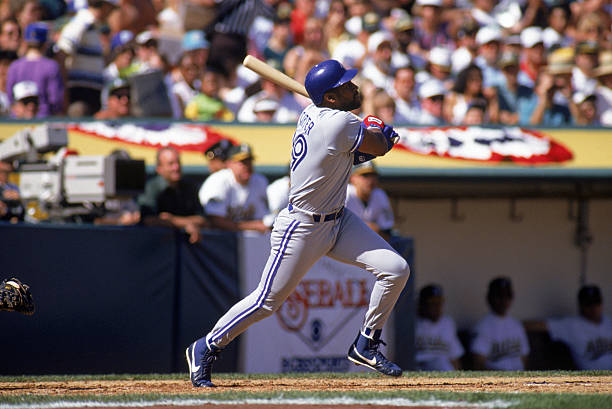
He’s never demanded reverence. He’s never campaigned for a statue. Yet his presence continues to anchor every anniversary, every retrospective, every “remember when” conversation. Not because he insists — but because the city hasn’t found a moment strong enough to replace it.
The irony is that Carter himself has tried to move the narrative forward. He’s publicly welcomed new eras. He’s said his moment has “come and gone.”
But baseball history doesn’t move on just because players do.
By unveiling this statue during the 50th season, the Blue Jays are choosing clarity over discomfort. They’re acknowledging that their identity, their legitimacy, and their national imprint still trace back to one swing over Mitch Williams.
That doesn’t weaken the franchise.
It challenges it.
Because now, every generation that walks past that statue will carry the same quiet question into the stadium: Will this team ever give us a moment that feels this final again?
Joe Carter didn’t just deliver a plan for the anniversary.
He delivered a reminder.
And until Toronto creates a new ending — not a promise, not a near-miss — that reminder will remain louder than any celebration.
Leave a Reply