For more than a decade, Jose Altuve didn’t just occupy second base.
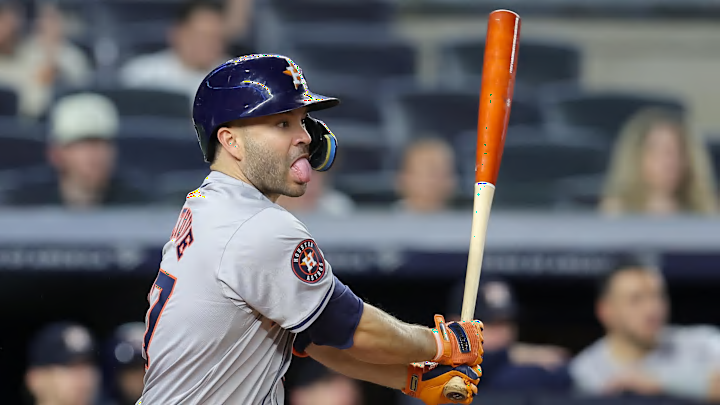
Houston Astros second baseman Jose Altuve (27) hits an RBI single | Brad Penner-Imagn Images
He owned it.
At 5-foot-6, Altuve built one of the most improbable superstar careers in modern baseball, stacking MVP awards, batting titles, postseason moments, and championships while redefining what durability and consistency look like at his position. As he enters his 16th MLB season, there’s very little left for him to prove.
But baseball has a way of quietly moving the goalposts.
According to MLB Network’s latest rankings, Altuve checks in as the sixth-best second baseman in baseball heading into the 2026 season. He also lands 81st overall on the network’s “Top 100 Players Right Now” list.
On paper, that’s still elite.
Emotionally, it feels like something else entirely.
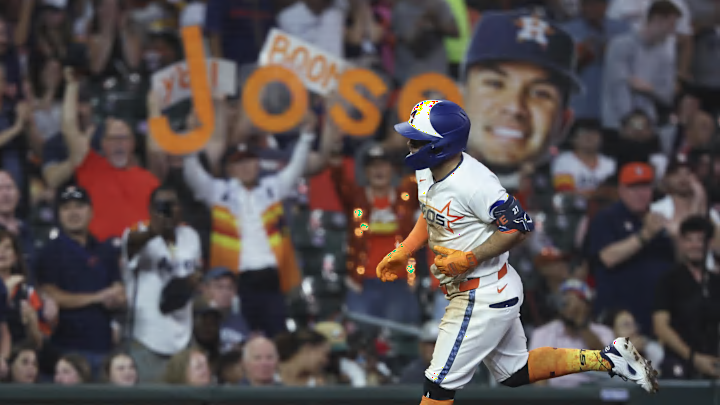
Houston Astros’ Jose Altuve (27) rounds the bases after hitting a home run. | Troy Taormina-Imagn Images
Because for years, Altuve didn’t just rank highly—he defined the top tier. MLB Network has named him the No. 1 second baseman five different times, and he has remained in the Top 10 at the position for 12 consecutive seasons. That kind of longevity is almost unheard of in today’s game.
Yet this ranking carries a quiet implication: the margin has narrowed.
Altuve is no longer being evaluated as the unquestioned standard. He’s being measured within a crowd.
Part of that shift comes from context. The Astros experimented with Altuve in left field last season, a move that signaled both versatility and necessity.
In 2026, he’s expected to return primarily to second base, a role that should help stabilize his value defensively and statistically.
But the offensive split from 2025 tells the deeper story.
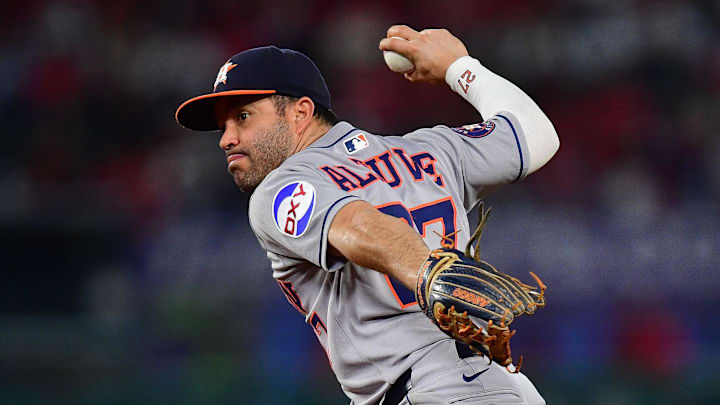
Houston Astros second baseman Jose Altuve (27) throws to first. | Gary A. Vasquez-Imagn Images
Through July, Altuve posted a 124 wRC+, still well above league average and evidence that pitchers can’t relax against him.
Over the final two months, though, the production dipped. His first half featured 17 home runs and a .277 batting average. The second half? Nine homers, a .247 average, and less impact in the moments Houston needed most.
The result was a season that felt uneven—even if it wasn’t disastrous.
Altuve finished with just 0.5 WAR, a number that looks strange next to his résumé. It’s not a collapse. It’s a signal.
One that suggests Houston can no longer assume elite production will carry uninterrupted from April through October.
And in a season where the Astros missed the playoffs for the first time since 2016, those small declines felt louder than usual.
This isn’t about blame. The Astros’ 87-win season had multiple fault lines. But when your franchise icon cools off down the stretch, the ripple effects matter.
Houston knows it.
That’s why the organization requested that Altuve sit out the 2026 World Baseball Classic, even though he expressed a strong desire to play for Venezuela again. Officially, it’s about health, focus, and preparation. Unofficially, it’s about preservation.
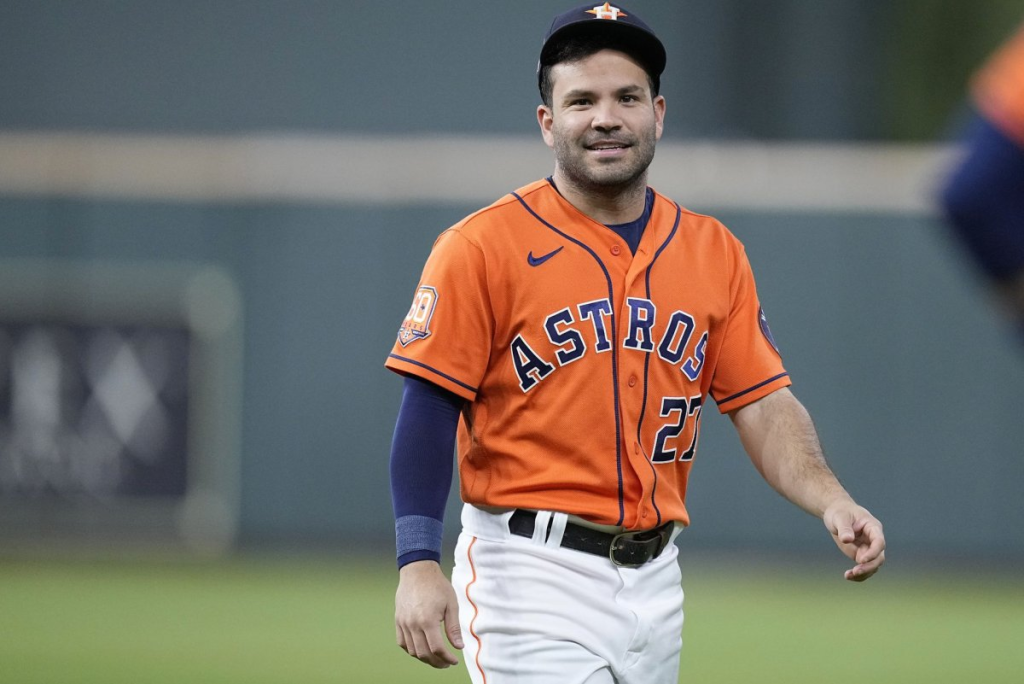
The Astros need the best version of Altuve they can get.
At 35, he’s no longer expected to carry the lineup alone. But he’s still expected to anchor it—set the tone, punish mistakes, and deliver professionalism in a clubhouse that’s navigating change.
MLB Network’s ranking doesn’t diminish what Altuve has done.
It contextualizes where he is now.
He’s still top-tier.
Still dangerous.
Still respected.
But he’s also at a stage where every season adds weight to the question Houston can’t avoid forever:
How much longer can Altuve remain not just good…
but essential?
The 2026 season won’t answer that fully. But the rankings already hint at something Astros fans can feel, even if they don’t want to say it out loud.
Jose Altuve is still one of the best second basemen in baseball.
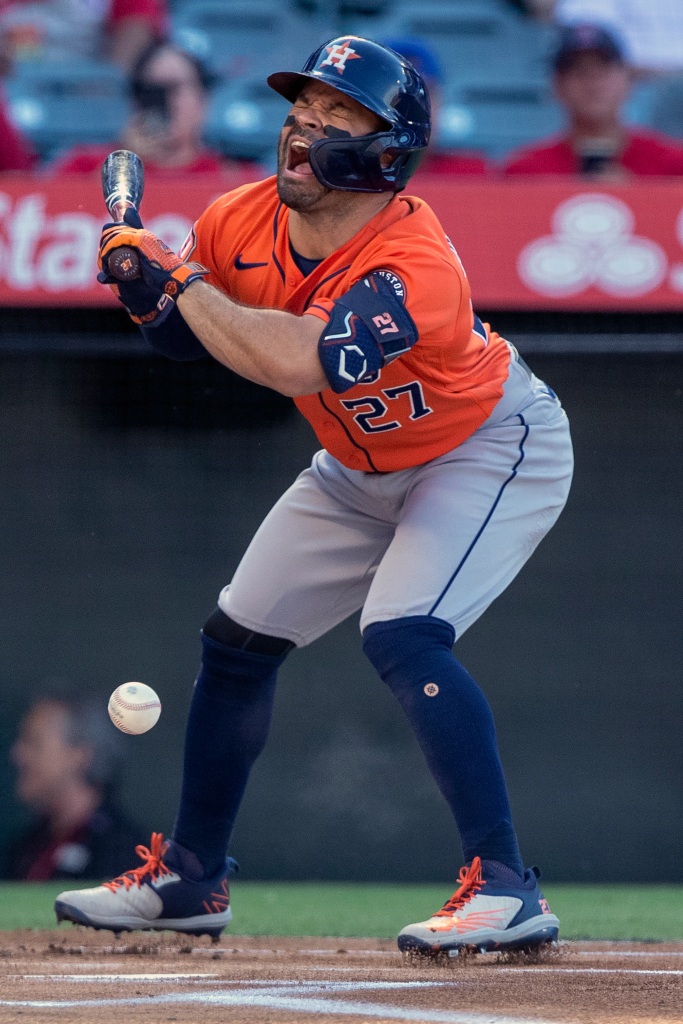
He’s just no longer the measuring stick by default.
And what he does next will determine whether that ranking feels like a temporary dip…
or the beginning of a new chapter.
Leave a Reply