The Washington Commanders didn’t just watch the NFC Championship Game as spectators.
They watched it as evaluators.
After a disappointing 2025 season, Washington has already begun reshaping its identity by hiring David Blough to coordinate the offense and Daronte Jones to lead the defense. With those pillars in place, attention now shifts to roster construction — and one position quietly screaming for clarity is running back.
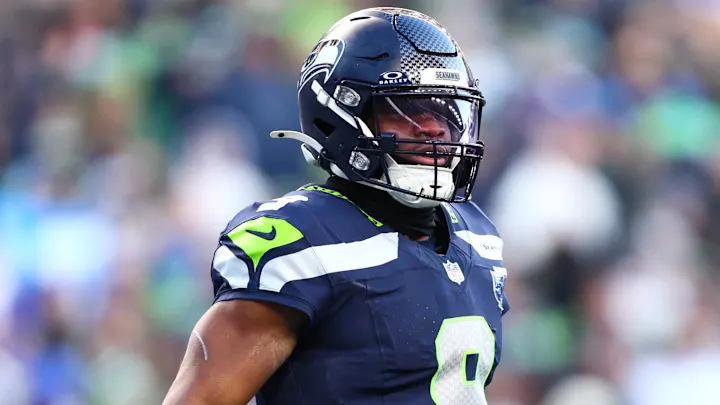
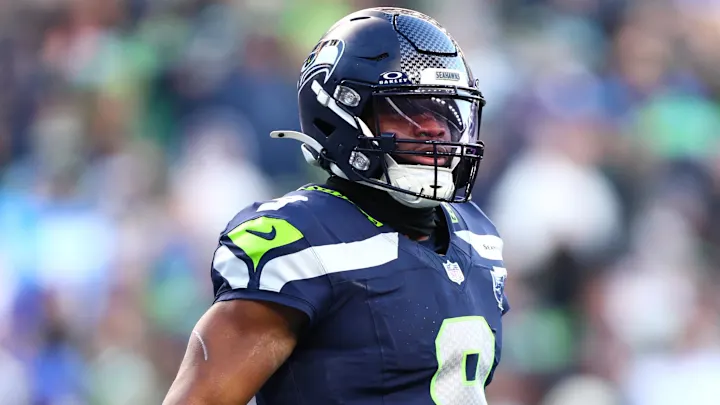
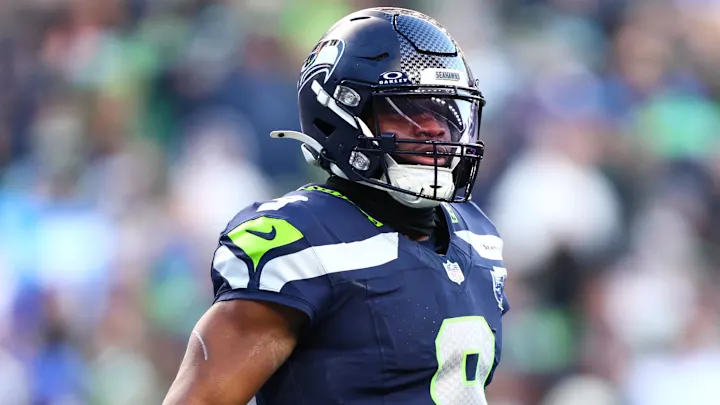
That’s where Kenneth Walker III entered the conversation.
With the Seahawks missing Zach Charbonnet due to a torn ACL, the NFC Championship became something more than a playoff game for Walker. It became a proving ground. One last, high-stakes reminder of what he can be when the backfield is his alone.
He didn’t explode on the stat sheet. He didn’t need to.
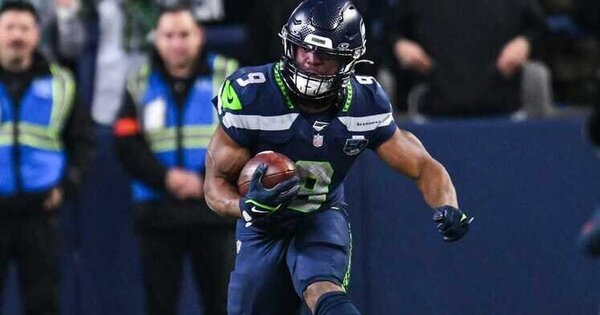
Walker delivered what playoff football demands: reliability under pressure. He scored Seattle’s first touchdown, added four catches for 49 yards, and sealed the game late with a bruising run that drained the Rams’ final timeout. By night’s end, he had crossed the 100-yard mark from scrimmage — quietly, efficiently, and decisively.
In other words, he looked like a lead back.
That matters because Walker is approaching free agency. His rookie contract is expiring, and the timing couldn’t be more intriguing. Seattle’s future backfield plans remain unclear, while Washington’s are anything but.
The Commanders’ running back room is thin — and fragile. Austin Ekeler is coming off a torn Achilles and set to hit free agency. Jeremy McNichols’ one-year deal is up. Chris Rodriguez Jr. can be retained as a restricted free agent, but that still leaves a depth chart built more on hope than certainty. Jacory Croskey-Merritt, a seventh-round pick entering Year 2, profiles as a complementary piece rather than a tone-setter.
Washington doesn’t just need carries.
It needs confidence.
Walker provides that.
At 25, he fits the timeline of a team trying to stabilize around Jayden Daniels without overwhelming him. He offers burst between the tackles, balance through contact, and underrated receiving chops — the kind of versatility that keeps defenses honest and quarterbacks upright.
In Blough’s offense, that versatility becomes a weapon. A true lead runner can anchor play-action, simplify reads, and create manageable down-and-distance situations.
Walker’s ability to handle volume while still threatening explosive plays checks every box a coordinator wants when building around a young quarterback.
Yes, he won’t come cheap. A multi-year, multi-million-dollar deal is likely. But the Commanders aren’t shopping for bargains — they’re shopping for answers.
And Walker’s postseason performance felt like an answer spoken softly but clearly.
It’s also telling how the game unfolded. When Seattle needed steadiness, Walker delivered. When the moment tightened, he didn’t. Those are traits that don’t always show up in analytics but matter deeply in January — and in a locker room trying to reset its standards.
Washington’s rebuild won’t be fixed by one signing. But the right signing can change the tone. It can tell a young offense what it’s supposed to feel like when things work.
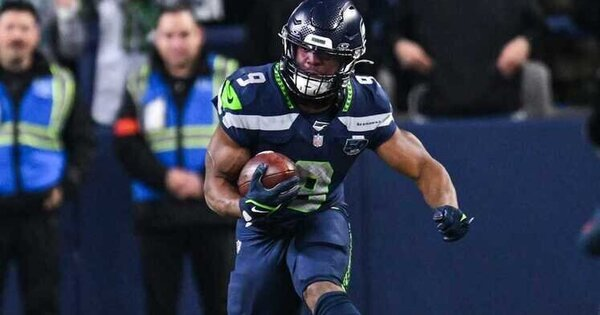
The NFC Championship didn’t just showcase Seattle’s path to the Super Bowl.
It showcased a runner who looked ready for a bigger role — and a team like Washington that looks ready to give it to him.
The question isn’t whether Kenneth Walker III can be that guy.
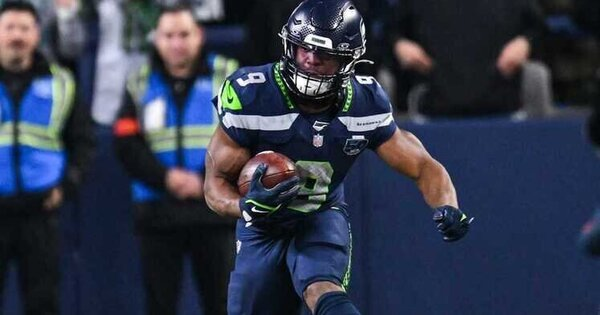
It’s whether the Commanders are willing to move when the opportunity presents itself.
Leave a Reply