Every year, the draft conversation shifts quietly before it explodes. One week of practices. A handful of reps. A few moments that force evaluators to pause and reassess.
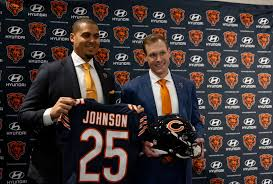
For the Chicago Bears, that moment may already have arrived — and it didn’t come from a household name.
Lee Hunter didn’t enter the draft cycle as a lock. He wasn’t a consensus first-rounder. He wasn’t widely discussed as a franchise-altering defender. Then Senior Bowl week happened, and suddenly the tone changed.
Analysts noticed. Coaches noticed. And mock drafts began to move.
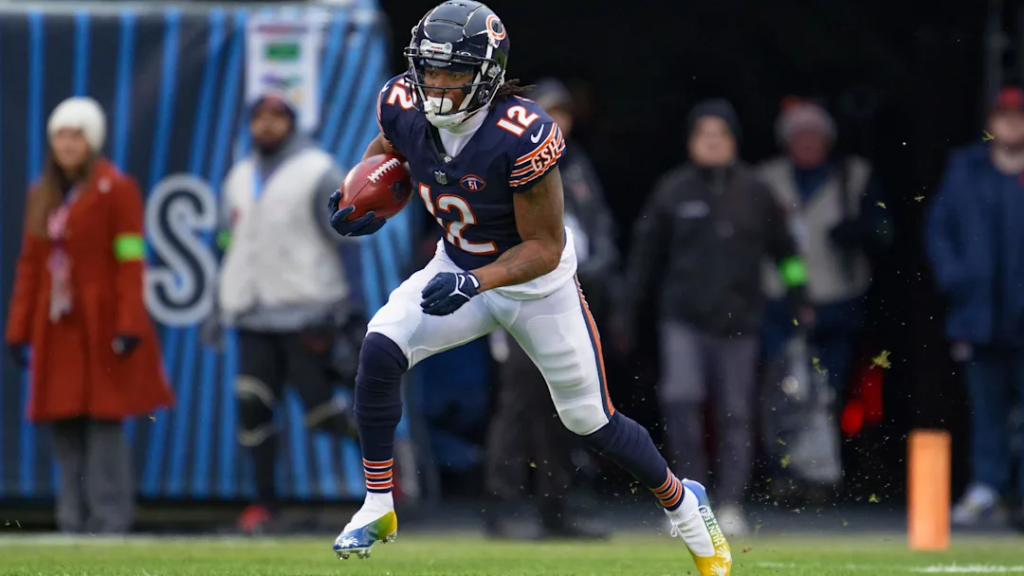
Pro Football Focus analyst Trevor Sikkema slotted Hunter to the Bears at No. 25 overall in his post–Super Bowl mock, signaling something important: interior defensive line help is no longer optional for Chicago. It’s foundational.
Super Bowl LX reinforced that reality. Seattle’s ability to collapse pockets without relying on one dominant name was the difference. Pressure came in waves. New England had no answers. That’s the kind of defensive identity the Bears are still chasing.
Hunter fits that conversation in a way Chicago can’t ignore.
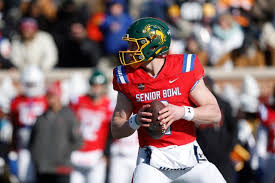
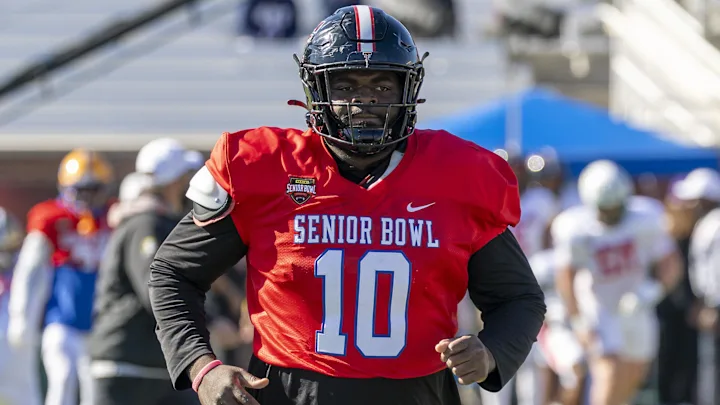
At 6-foot-4 and roughly 330 pounds, Hunter is built like a classic nose tackle — but he doesn’t play like a space-eater. His first step is sudden. His hands are violent. And at the Senior Bowl, he showed the rare ability to disrupt both the run and the pocket without being schemed free.
Double teams didn’t move him. They slowed him — briefly. Then he shed, reset, and reentered plays that should have been over.
That’s why his stock is rising.
Until recently, Hunter lived in draft purgatory. Too heavy for some schemes. Too unconventional for easy comparisons. He was often penciled in as a second-rounder — solid, but not special. The Senior Bowl rewrote that narrative.
Evaluators began debating where he actually belongs.
Some analysts now rank him as the top interior defensive lineman in the class. Others still hesitate, pointing to scheme fit and athletic testing. That split makes the Combine crucial — not just for Hunter, but for the Bears.
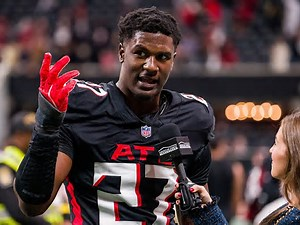
Chicago’s situation up front is fragile. Chris Williams and Andrew Billings are approaching free agency. Gervon Dexter hasn’t solved the run-defense issue. Grady Jarrett was steady when healthy, but age doesn’t negotiate.
The Bears can’t survive another season near the bottom of the league against the run. They also can’t rely on edge pressure alone to carry a defense in January.
Hunter’s college production hints at answers. Thirty-two tackles for loss. Seven and a half sacks. Consistent backfield disruption from a player offenses tried to neutralize. That interior push matters more than ever — especially in a division built around physical quarterbacks and downhill run games.
The question isn’t whether Hunter can play. It’s whether he can fit.
Dennis Allen’s defensive approach demands versatility from interior linemen. They have to move. They have to threaten gaps. They can’t be stationary. Hunter has shown flashes of that ability — but Indianapolis will decide how real it is.
That’s why the Combine matters.
If Hunter moves the way he did in Mobile, the Bears won’t be alone in their interest. A player once viewed as a fallback option could force his way into first-round certainty.
Chicago doesn’t need a flashy pick. It needs a stabilizer — someone who makes everything around him work better.
Lee Hunter isn’t a finished product. But right now, he’s something more dangerous for a draft board: a rising answer to a problem the Bears can’t keep ignoring.
Leave a Reply