If the 2025 postseason teaches MLB a lesson, it’s this: no strong bullpen, no World Series. Aroldis Chapman, Jhoan Duran, and Andres Muñoz have proven that the decisive moment of the season isn’t about the hit, but about the quiet innings.

The Baltimore Orioles understand that. They didn’t hesitate to sign Ryan Helsley—a safe, reputable, experienced choice. A logical move, welcomed by the media. But while all the spotlight is on the big signings, another name is quietly making its way through the 2025 season in a very… unusual way.
Kade Strowd wasn’t welcomed as a savior. He was called up, then pushed down. Once. Then again. His MLB debut in May—one inning, one run, two hits. Not a disaster, but enough to be sent back to Triple-A. For many young players, that’s a turning point. For Strowd, that was the starting point.

In June at Triple-A, he threw an ERA of 1.59. The Orioles called him back. Up to MLB, ERA of 2.70 in small sample, then… demoted again. No statement. No complaint. Just increasingly colder innings.
In July, Strowd didn’t give opponents a single run in 9.1 innings at Triple-A. When called back at the end of the month, he continued to keep a clean sheet. And from here, things started to change — not loudly, but very clear to those who watched closely.
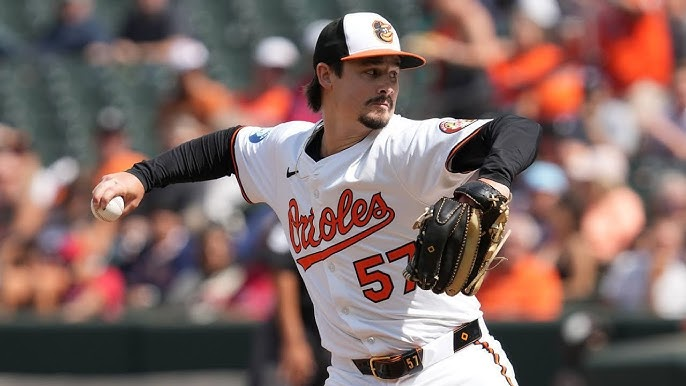
August was when his name appeared more regularly in internal reports: ERA of 0.96, clean, unflashy performance. In September, he accelerated: 15 strikeouts in 9.1 innings. Not the kind of shock reliever who speeds up to 102 mph, but the kind who leaves hitters wondering what pitch to expect.
End of 2025 season: ERA 1.71, WHIP 1.10, 0.9 WAR in just 26.1 innings. Those are impressive numbers, but they’re not what’s really catching analysts’ attention.
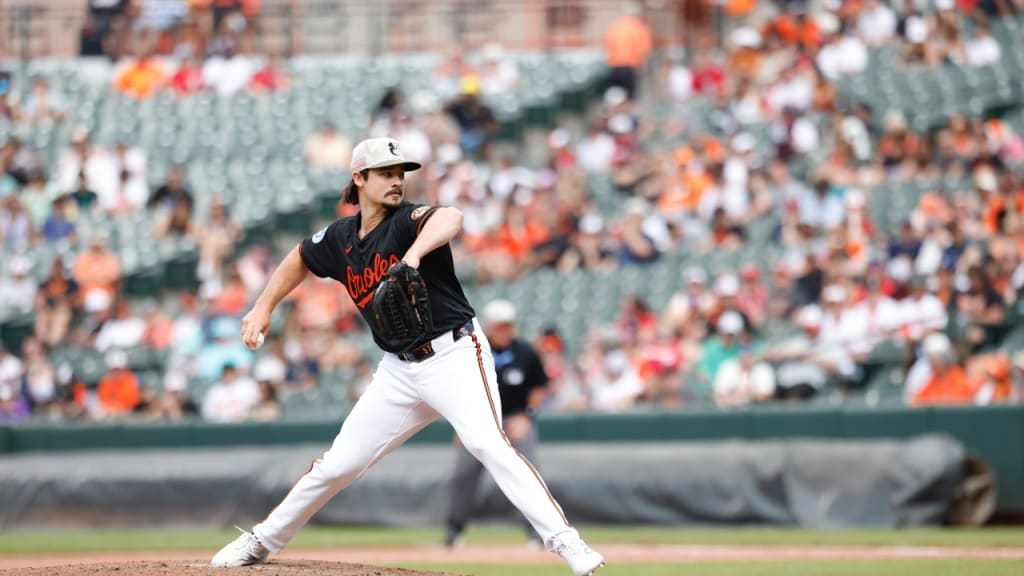
The real curiosity lies in the deeper data. Strowd possesses the best four-seam, sweeper, and curveball with Stuff+ in the entire Orioles bullpen. He shuts down left-handed hitters with slugging at just .206 and wOBA at .190. Whiff rate is nearly 33%, strikeout rate over 35%. Average fastball speed is 96 mph — not unusual, but fast enough to support an incredibly versatile pitch mix.
Cutter, four-seam, sinker, curveball, sweeper. No single pitch has to carry the entire inning. They all contribute to the pressure.
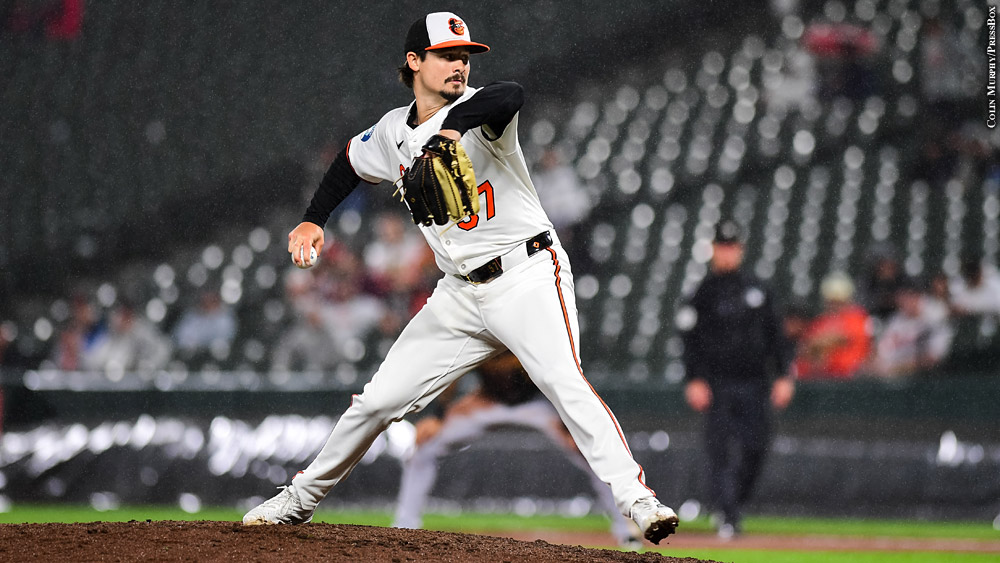
The noteworthy point is: the Orioles haven’t yet used Strowd as a true high-leverage arm. He hasn’t been “put at the center.” And perhaps that’s what makes this story all the more noteworthy.
While other teams spend money buying consistency, Baltimore may be holding an untapped variable. A young, less-spot-on reliever, but perfectly suited to what the postseason demands most: the ability to silence opponents.
The question is: when will the Orioles truly believe in that—and will they realize it in time?
Leave a Reply