The Framber Valdez race ended much faster than many in Baltimore expected. And that ending wasn’t bleak.
The Detroit Tigers signed Valdez to a three-year, $115 million contract, with an option-out after the second season — the highest AAV ever awarded to a left-handed pitcher. A figure that was not just financially significant, but a clear statement of ambition. When Jeff Passan confirmed the deal, the door slammed shut for the Orioles.

For months, Baltimore had been considered the top contender. The association between Valdez and Mike Elias — who had worked with him in Houston — gave the impression that this was a “pre-planned” deal. But in the decisive moment, Valdez chose Detroit. He chose A.J. Hinch. He chose a rotation that already had Tarik Skubal and was poised to surge ahead immediately.
And the Orioles stood still.
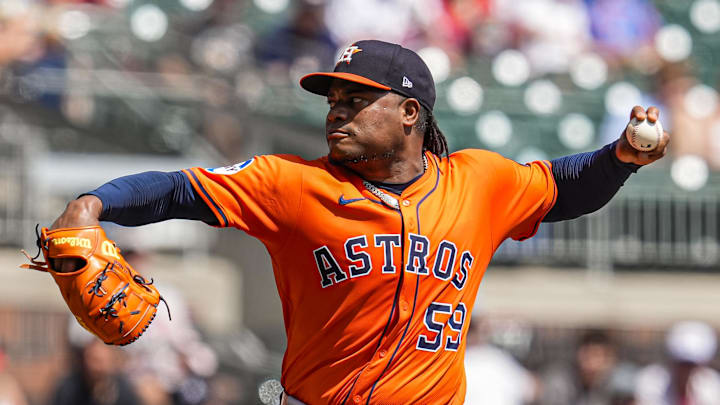
Losing Valdez isn’t just about losing the best pitcher left on the market. It exposes a bigger problem: Baltimore is entering a dangerous offseason where they desperately need pitching — but options are dwindling, and each option carries risk.
The 2025 season made that clear. The Orioles’ rotation was eroded by injuries, lacked depth, and ultimately became one of the main reasons they missed the postseason. Valdez, with his durability and consistent track record, was seen as the perfect patch. Now that patch belongs to another team.

The remaining names on the market aren’t bad. But they no longer offer that same sense of security.
Lucas Giolito is the most talked-about option. After missing the entire 2024 UCL surgery, he made a strong comeback with the Red Sox: 3.41 ERA, 1.29 WHIP in 145 innings. A reliable bounce-back season, but also a one-off. The Orioles will have to bet that it won’t be an exception.
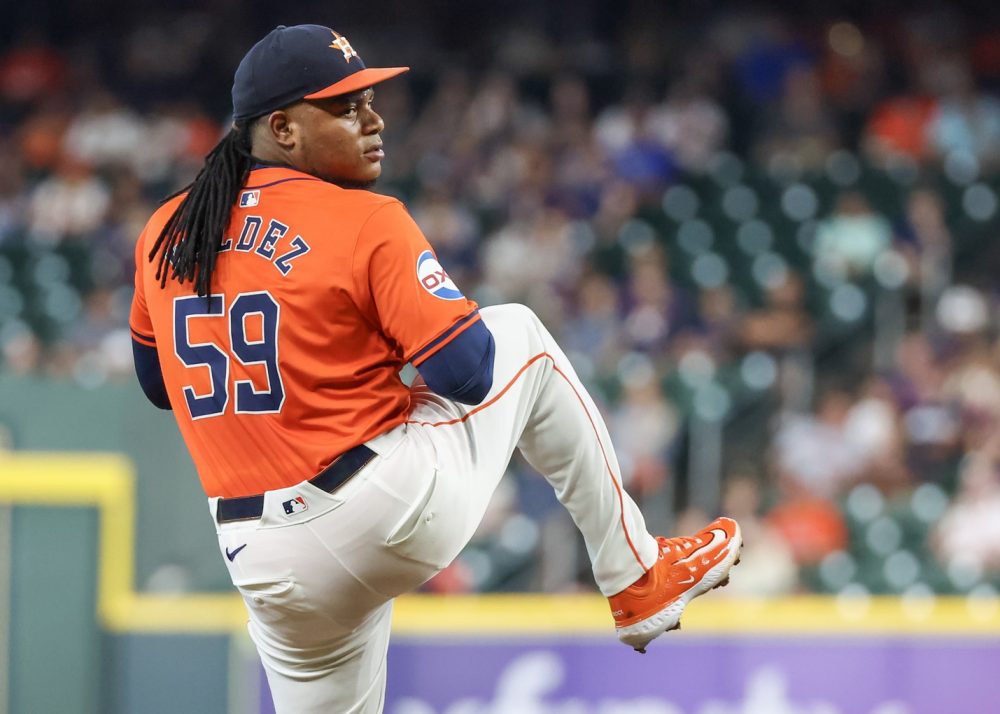
Zac Gallen, on the other hand, has a long track record, but 2025 was the worst season of his career. An ERA of nearly 5.00 in almost 200 innings leaves every team wondering which is his true self. Chris Bassitt, Max Scherzer, Justin Verlander, Walker Buehler — each a story, each a gamble on age, health, or both.
The common thread: none of them give the same “closed deal” feel as Valdez.
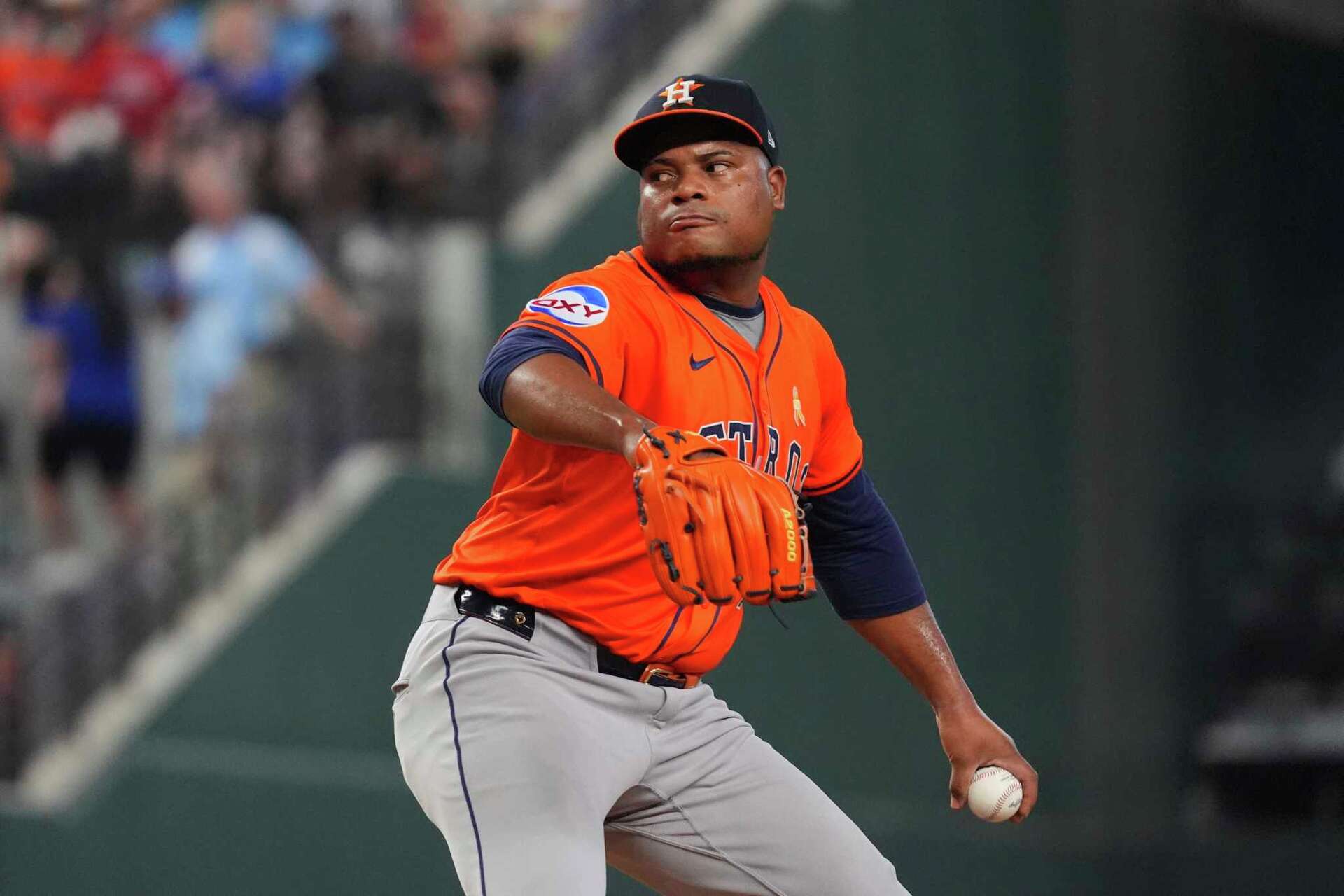
This puts the Orioles in a position to act, but with limited leverage. With most of their current rotation having just gone through interrupted seasons, entering 2026 without adding at least one veteran starter is a difficult choice to justify. But with each passing day, the market is increasingly tilting toward the sellers.
Detroit has made a decisive move. The Orioles haven’t.

The question now isn’t who will replace Valdez, but what level of risk the Orioles are willing to take. Will they dare to spend heavily on the next option, or will they drift toward “adequate” choices as time runs out?
Valdez has made his decision. But his decision doesn’t just affect Detroit. It leaves Baltimore with a familiar feeling—that the opportunity was so close, yet slipped away at the very moment they needed it most.
And when a young, promising team is constantly at such crossroads, the most frightening question isn’t who will arrive, but how many more times the Orioles will let opportunities like this slip away?
Leave a Reply