The message from the Toronto Blue Jays this offseason has been unmistakable.
They are done waiting.
After reaching the World Series for the first time in 32 years and coming painfully close to a championship, Toronto didn’t treat the winter as a victory lap. They treated it like a deadline.
Every move since October has pointed in the same direction: maximize the present, even if it complicates the future.
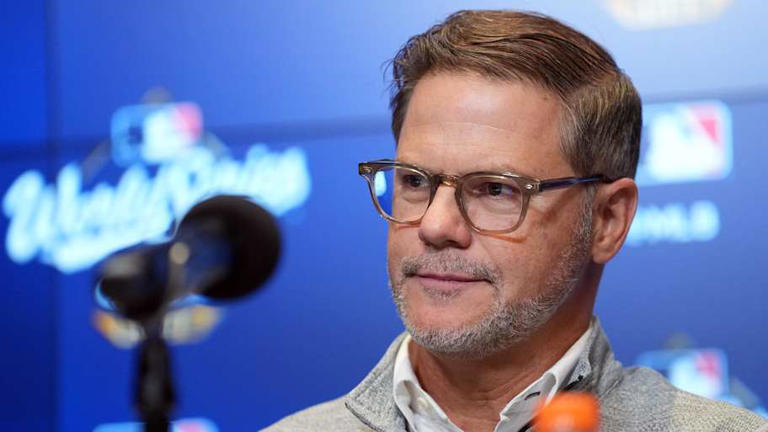
On paper, it looks decisive. Underneath, it feels like a calculated gamble.
The headline move was obvious. Toronto committed seven years and $175 million to Dylan Cease, a pitcher meant to anchor the rotation long after others depart.
Cease isn’t just insurance — he’s a declaration. With Kevin Gausman, Shane Bieber, and José Berríos all inching toward uncertain futures, the Blue Jays locked in a long-term answer before questions became emergencies.
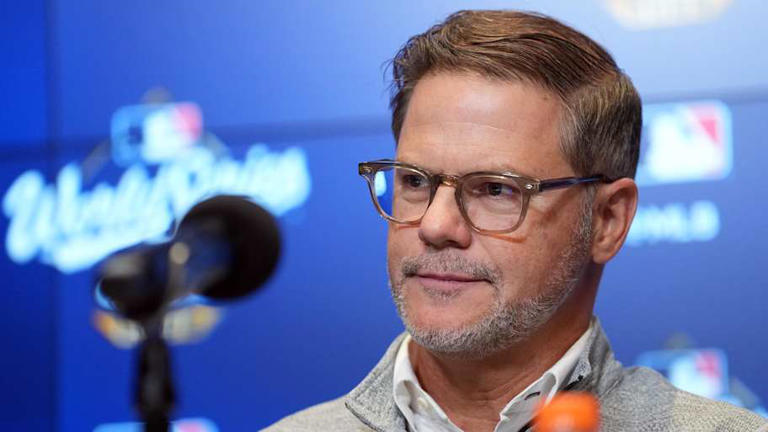
They doubled down on pitching depth. Cody Ponce arrived fresh off a historic KBO season. Tyler Rogers, one of baseball’s most unconventional relievers, slid neatly into a high-leverage role.
Chase Lee was added quietly, another arm meant to absorb innings without spotlight.
The rotation and bullpen didn’t just get better — they got crowded.
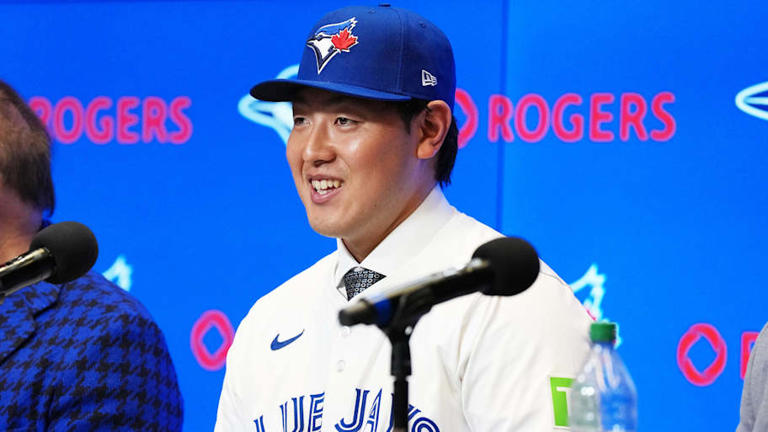
Offensively, the addition of Kazuma Okamoto signaled something else: flexibility over familiarity.
Okamoto’s résumé in Japan is undeniable, and his ability to move across the infield gives Toronto lineup options it didn’t previously have. But his arrival also made something clear.
There was no room left for sentiment.
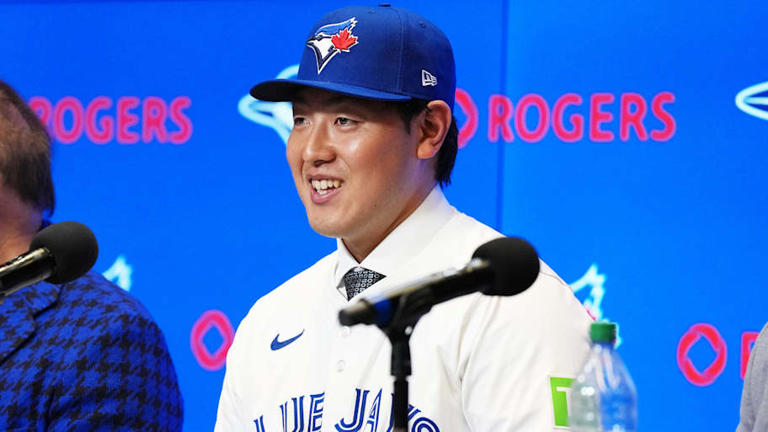
Bo Bichette’s departure confirmed that reality. Drafted, developed, and once viewed as a cornerstone, Bichette left for New York on a massive deal.
Toronto didn’t match it. They didn’t hesitate. For a team chasing a title, continuity mattered less than control.
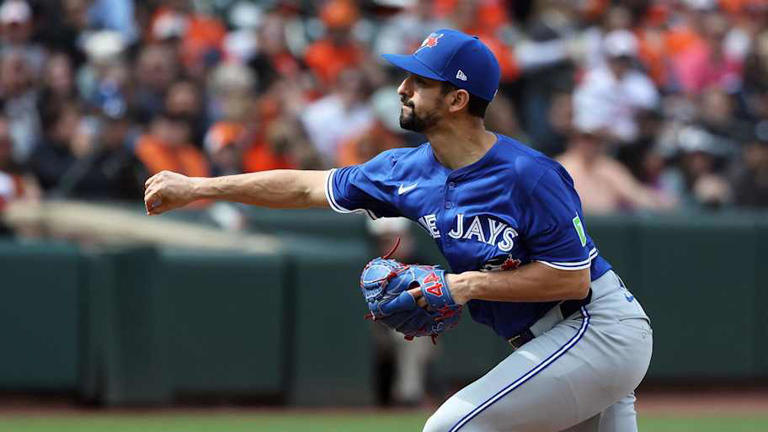
Seranthony Domínguez followed out the door. Easton Lucas was released. Others were outrighted, waived, or designated without ceremony.
The roster wasn’t just upgraded — it was trimmed, sharpened, and stripped of excess.
At the margins, the Blue Jays were relentless. Minor league deals stacked depth. Rule 5 selections added upside. International signings flooded the system with volume.
Spring training invitations created internal competition everywhere you look.
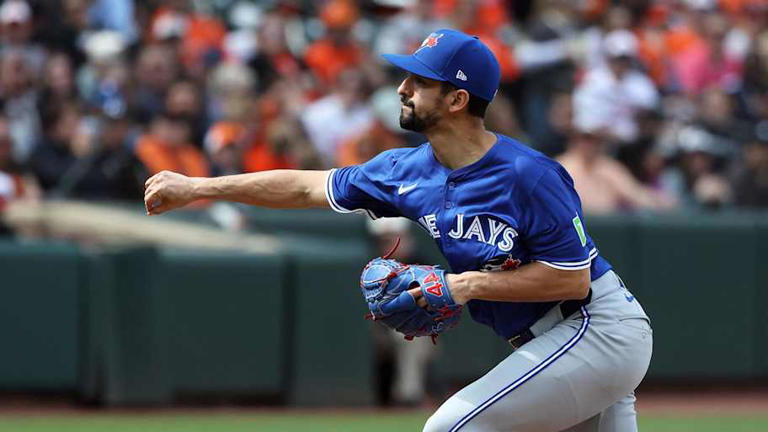
This wasn’t chaos. It was saturation.
Yet for all the activity, one tension remains unresolved.
Toronto’s strategy leans heavily on timing. Ricky Tiedemann is protected, but not rushed. He’s more important in 2027 than 2026. Trey Yesavage is already slotted into the future rotation.
Veterans still carry the present. The overlap is intentional — but fragile.
Because when you push this hard, windows don’t creak open. They slam shut.
The Blue Jays have insulated themselves against short-term failure. If one arm goes down, another waits. If one bat stalls, there’s flexibility. But the cost of that insulation is commitment.
Payroll. Roster congestion. Reduced patience for development misfires.
This offseason wasn’t about building a sustainable contender.
It was about refusing to waste momentum.
Toronto didn’t chase the World Series with one move. They chased it with dozens — some loud, some quiet, some reversible, some not.
And while every transaction makes sense in isolation, together they tell a more intense story.
This organization believes it is closer than ever.
That belief fuels urgency. Urgency fuels risk.
And now, as spring training approaches, the question isn’t whether the Blue Jays did enough.
It’s whether they’ve left themselves any room if “enough” still isn’t enough.
Leave a Reply