Super Bowl LX didn’t feel loud. It didn’t feel dramatic. It felt inevitable — and that’s what made it unsettling.
The Seattle Seahawks didn’t overwhelm the New England Patriots with fireworks. They suffocated them. At one point in the third quarter, New England had punted more times than it had completed passes. The scoreboard didn’t scream disaster, but the game did.
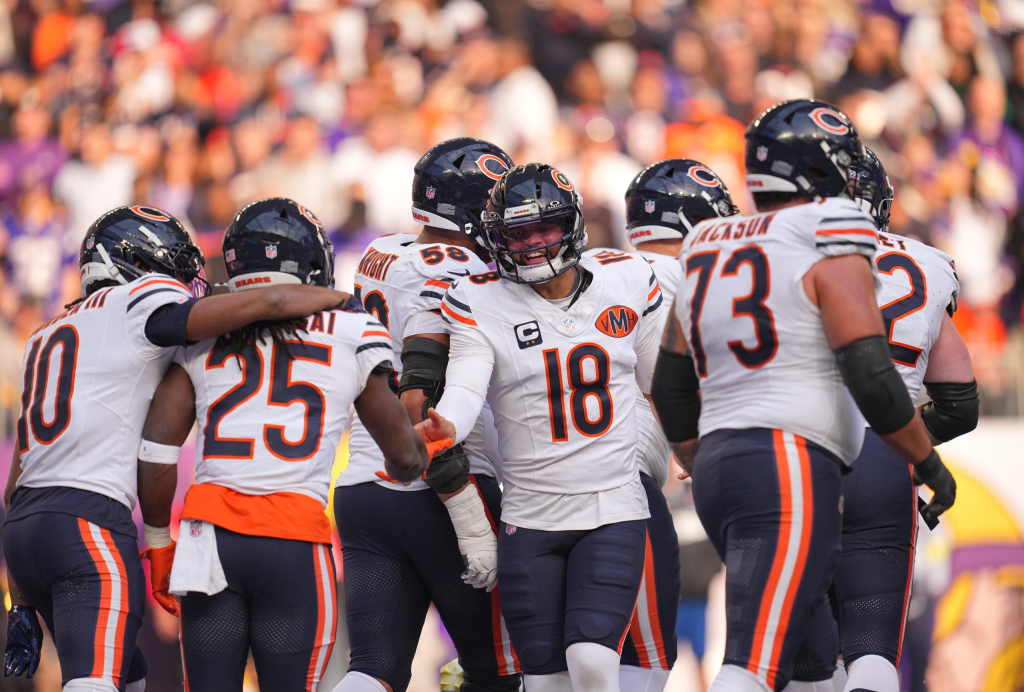
For the Chicago Bears, watching from home, this wasn’t just a championship result. It was a warning.
Chicago fell one round short of the Super Bowl, eliminated by the Rams in a game that still lingers uncomfortably. But the gap between the Bears and the league’s elite is smaller than critics admit — and Super Bowl LX quietly proved it.
It also delivered four lessons the Bears can’t afford to ignore.
First: left tackle is not optional.
New England’s Super Bowl unraveling began at the edge. Rookie left tackle Will Campbell surrendered 14 pressures — the most recorded in a playoff game since tracking began. It wasn’t just bad. It was catastrophic.
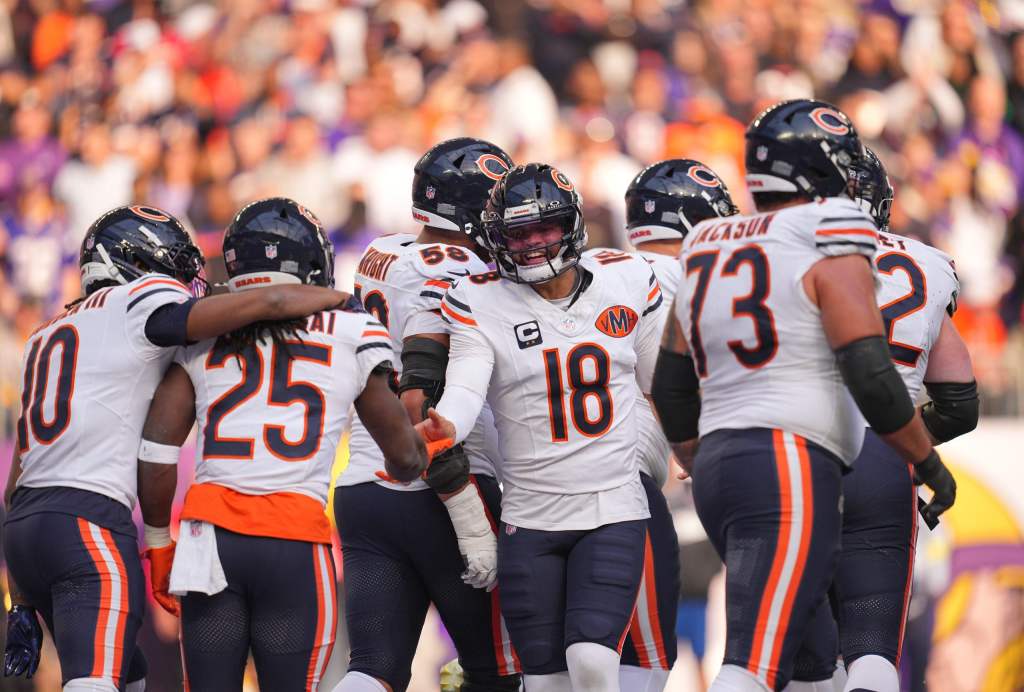
Chicago already knows this danger. Ozzy Trapilo’s season-ending patellar tendon injury leaves a void that can’t be filled with optimism alone. If the Bears want Caleb Williams upright deep into January, Ryan Poles must secure a legitimate blindside protector — even if it means reshaping long-term plans.
Second: depth beats star power up front.
Seattle didn’t rely on one dominant pass rusher. They sent waves. Relentless, rotating pressure that never allowed Drake Maye to reset.
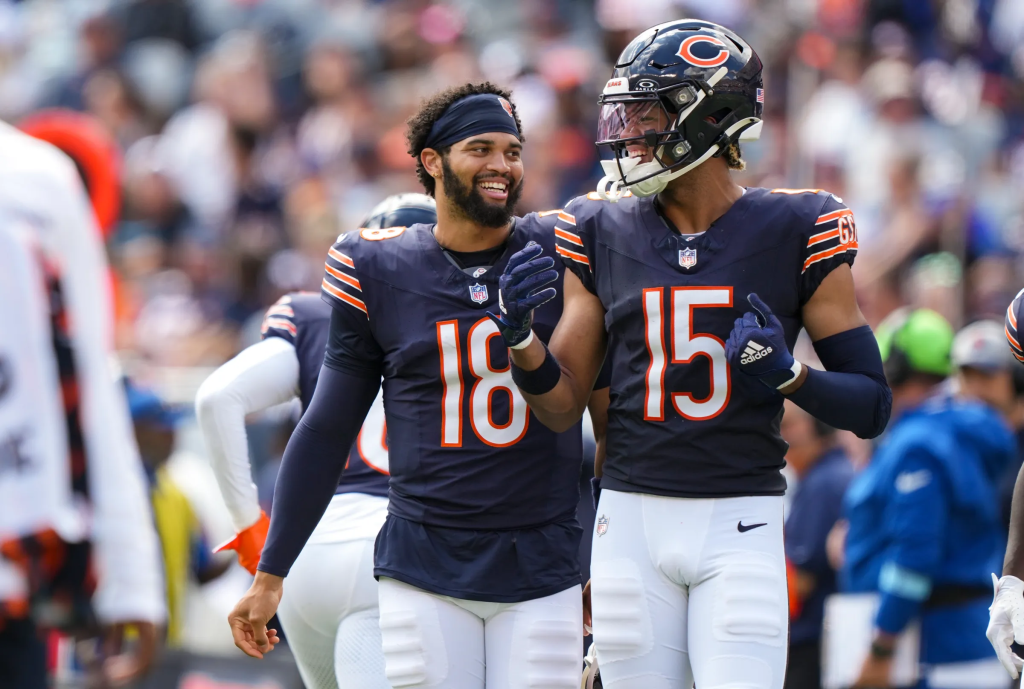
That should sound familiar. Poles has spoken openly about valuing “waves of pass rushers” over a single blockbuster name. Montez Sweat fits that mold. Austin Booker flashed it late. Adding two more quality defensive linemen could matter more than chasing a headline trade.
Defense doesn’t need a face. It needs a system.
Third: throwaways are not failure.
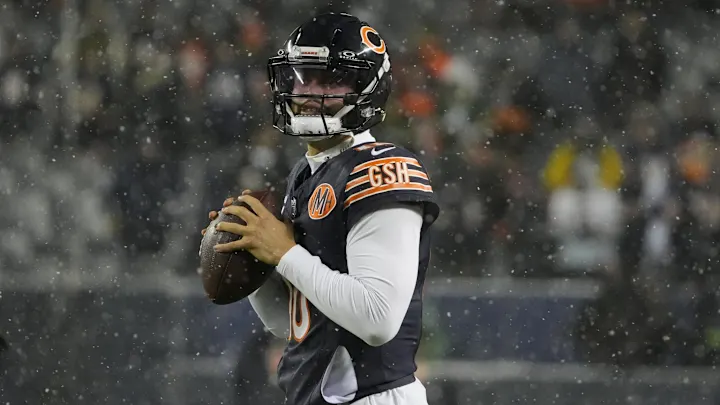
Caleb Williams’ 58.1% completion percentage became an easy target all season. But Super Bowl LX showed the alternative — and it was worse.
Drake Maye held the ball. Took six sacks. Lost a fumble. Threw two interceptions, including a pick-six. His mechanics crumbled under pressure.

Williams led the league in throwaways for a reason. He learned that losing a down is better than losing the game. EPA rewards that decision-making. Playoff football demands it.
Completion percentage doesn’t matter when possessions disappear.
Finally: the Bears got the 2024 draft right.
The narrative keeps changing. First it was Jayden Daniels. Then it was Drake Maye. Now it’s who “went further.”
But ceilings don’t reveal themselves in clean games. They show up in chaos.
When the Bears faced multiple-score deficits this postseason, belief never vanished. Williams carries something that can’t be taught — the ability to reach another level when structure breaks down.
Daniels and Maye have both succeeded. They’ve also both collapsed when faced with a clearly superior team. Williams hasn’t escaped those moments — he’s challenged them.
Super Bowl LX didn’t end debates. It clarified them.
Seattle showed how championships are actually won: protection, pressure, patience, and poise. The Patriots showed what happens when even one of those cracks.
The Bears are closer than the standings suggest. But closeness doesn’t count in January.
If Chicago listens to what this Super Bowl quietly revealed, they won’t just be contenders next season. They’ll be prepared for what happens when the noise disappears — and the truth finally shows up.
Leave a Reply