The Philadelphia Phillies entered this offseason knowing change was unavoidable.

Aug 6, 2025; Philadelphia, Pennsylvania, USA; Philadelphia Phillies first base Bryce Harper (3) waves after the first inning against the Baltimore Orioles at Citizens Bank Park. | Bill Streicher-Imagn Images
Contracts expired. Familiar names left. Others returned under less certain terms.
The result felt transitional rather than dominant.
That uncertainty weighed on fans throughout the winter, fueling concern that the Phillies’ window might finally be narrowing.
Yet early projections tell a different story.
FanGraphs released its first ZiPS standings forecast ahead of the 2026 season, offering a preliminary look at how divisions may shake out.
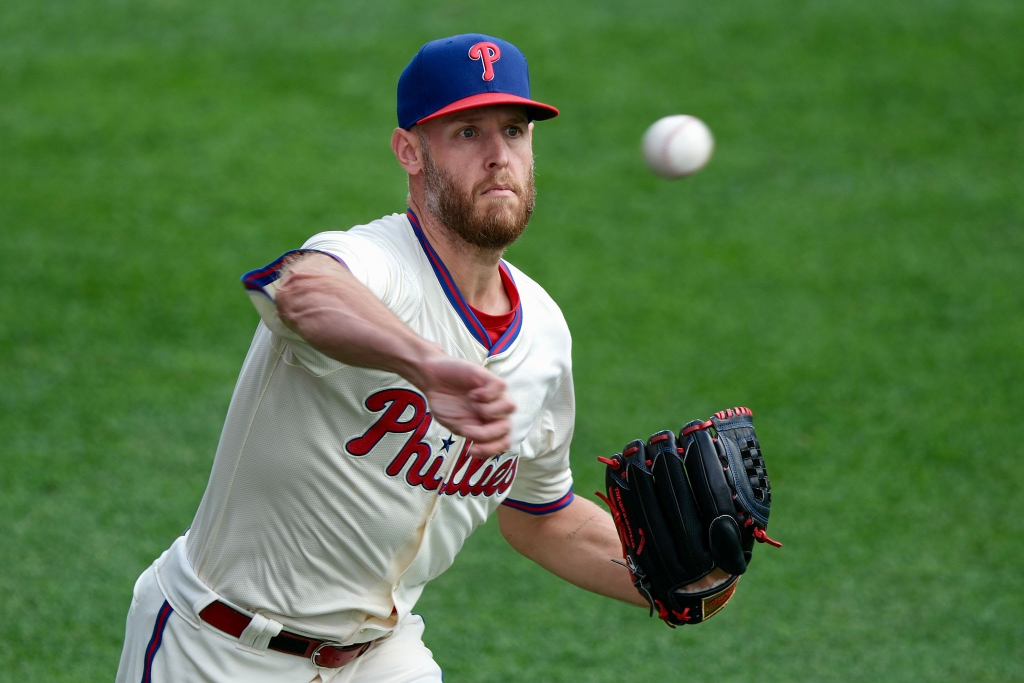
Despite the unease, the Phillies remain projected as the top team in the National League East.
For a fanbase bracing for regression, that matters.
According to ZiPS, Philadelphia is projected to finish 91–71, good enough to claim the division for a third straight year.
It’s not overwhelming. It’s not commanding.
But it’s still first place.
The Mets trail closely at 89–73, just two games back, with Atlanta not far behind at 86–76.
The margins are thin.
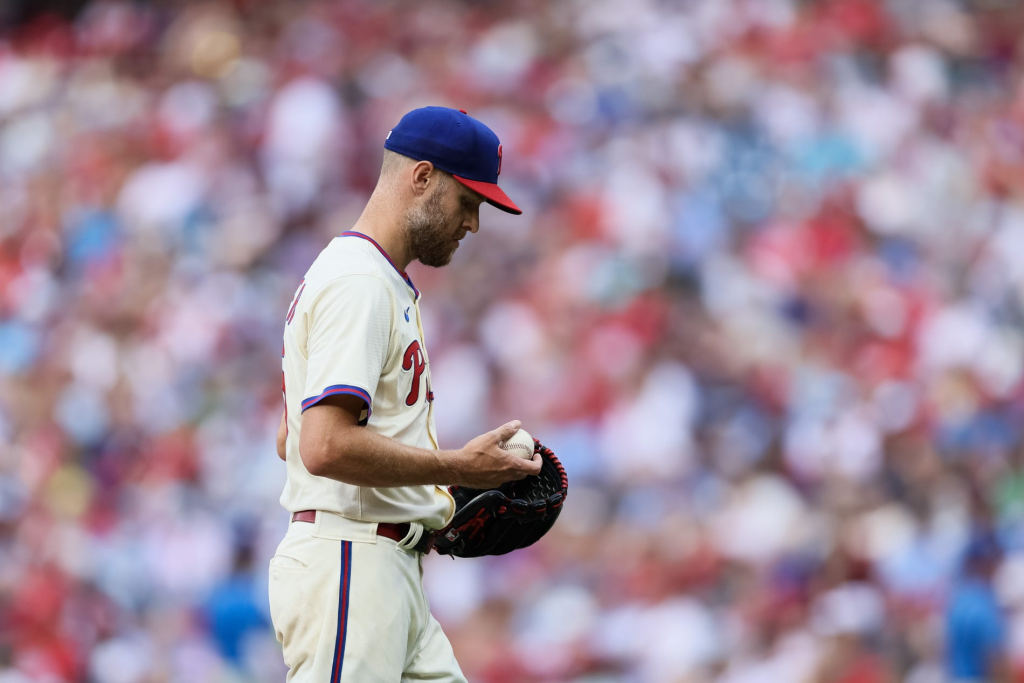
Much thinner than last season’s 13-game gap.
That’s where the optimism meets reality.
ZiPS’ confidence in Philadelphia is rooted in familiarity rather than flash.
Dan Szymborski notes the Phillies’ core is aging, but not collapsing.
Zack Wheeler’s eventual health anchors the rotation. Aaron Nola’s potential rebound stabilizes projections.
The offense is expected to remain productive, even if it doesn’t dominate the league.
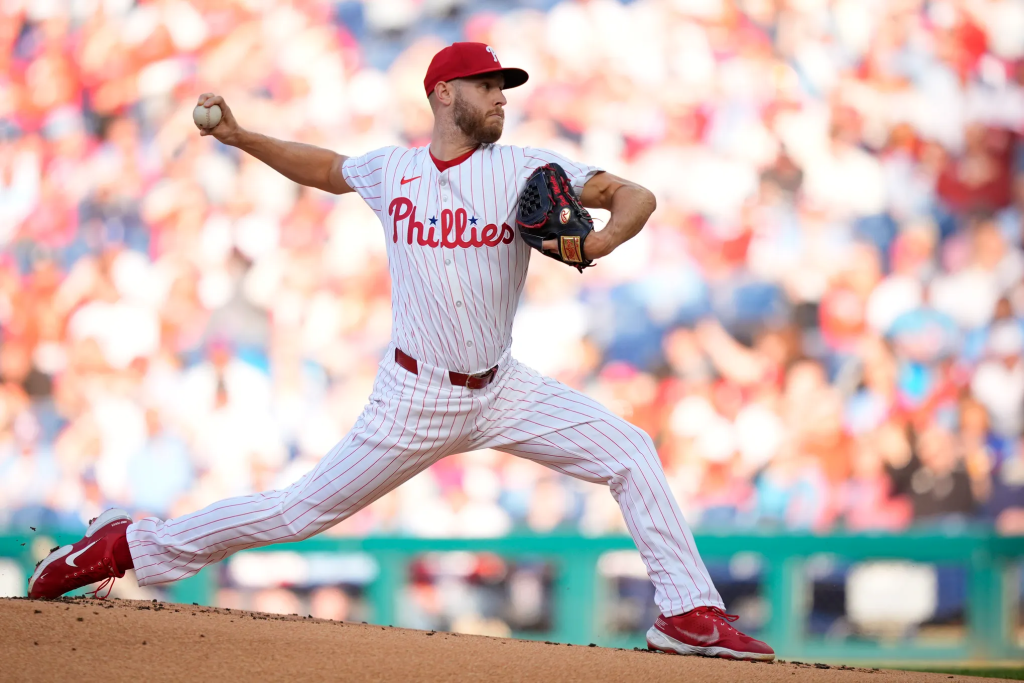
Pitching, however, carries more weight than before.
That’s why Andrew Painter’s arrival looms large.
As Ranger Suárez’s role becomes less certain, Painter represents both succession and risk.
If he delivers, the rotation holds.
If not, pressure shifts quickly.
Winning the division has become central to this era of Phillies baseball.
After years of Wild Card paths, division titles symbolize consistency and control.
ZiPS suggests that standard still holds — barely.
The Phillies are also projected to secure the No. 2 seed and a first-round bye, trailing only the Dodgers’ projected 96 wins.
On paper, that’s significant.
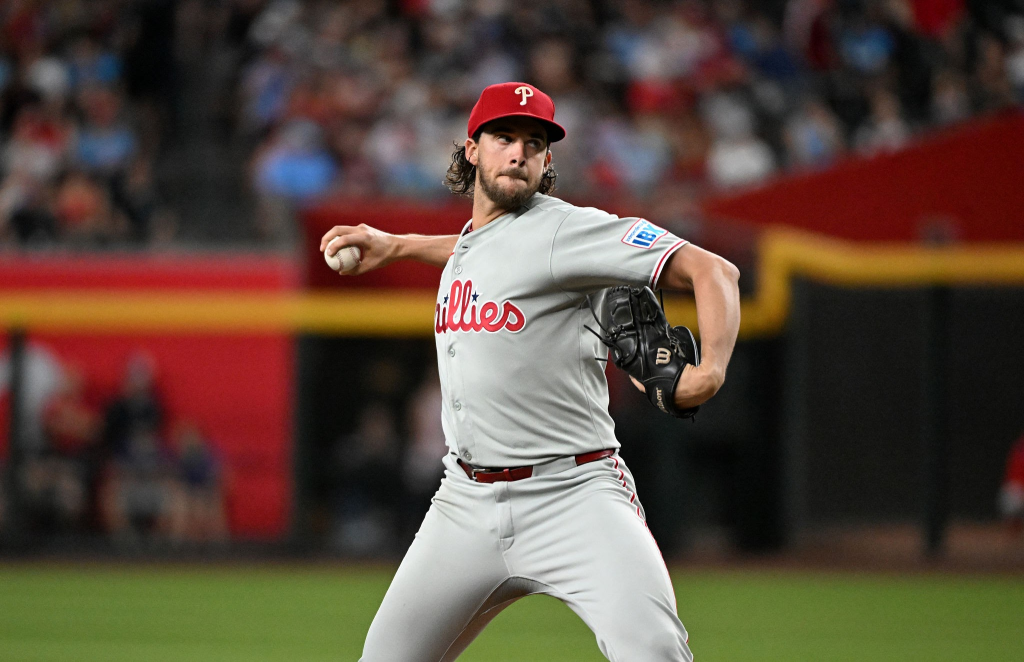
In practice, it leaves little room for error.
Meanwhile, the Mets are no longer lurking quietly.
After a second-half collapse in 2025, New York responded aggressively.
Bo Bichette’s arrival reshaped the infield.
The Freddy Peralta trade fortified the rotation.
Their intentions are unmistakable.
Atlanta, too, remains dangerous.
While ZiPS slots them third, the Braves’ margin for outperforming projections is historically wide.
One hot stretch changes everything.
That’s the catch buried inside Philadelphia’s favorable forecast.
The Phillies don’t need to fall apart to lose control of the division.
They just need to be slightly less steady.
Projections are not promises.
They reflect roster perception, not resilience under pressure.
They don’t account for injuries, slumps, or unexpected leaps.
But they do frame expectations.
And right now, those expectations say the Phillies are still good enough.
Not dominant. Not safe.
Just good enough.
For a fanbase that feared a step backward, that’s reassurance.
For a team with championship aspirations, it’s a warning.
Because when margins shrink, every decision matters more.
And in a division this crowded, staying on top may prove harder than getting there in the first place.
Leave a Reply