Phillies fans have been waiting all winter for the offseason to make sense.
New York Yankees v Philadelphia Phillies | Heather Barry/GettyImages
Instead, it’s felt like a series of almost-moves, missed opportunities, and pivots that don’t quite land. The frustration has been building for weeks, and losing out on re-signing center fielder Harrison Bader only added another layer of irritation.
Because Bader wasn’t supposed to be the star move.
He was supposed to be the smart one.
A stabilizer.
A safety net.
An outfield insurance policy that prevents the roster from feeling one injury away from panic.
Now he’s gone, and Philadelphia is left searching for a Plan B — the kind of lesser-tier free agent signing that doesn’t excite anyone… until the season starts and you realize you desperately needed it.
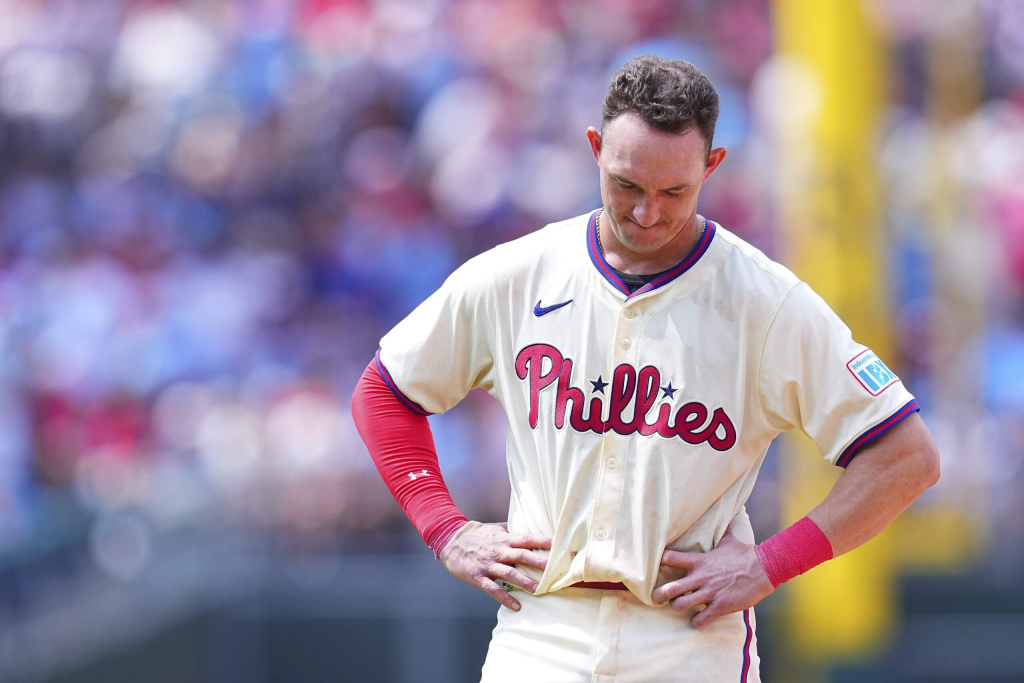
If Dave Dombrowski chooses that route, there’s one name the Phillies should look at longer than they want to.
Austin Hays.
It’s the kind of idea that feels uncomfortable at first — not because Hays is a bad player, but because the Phillies already had him once… and it ended with disappointment, silence, and a quiet exit that didn’t feel like closure.
Philadelphia’s history with Hays goes back to the 2024 trade deadline, when the club acquired him from the Baltimore Orioles in exchange for Seranthony Domínguez and Cristian Pache. At the time, it looked like a classic Dombrowski move: buying a proven bat with postseason potential.
Hays wasn’t some random depth piece. He was coming off his best MLB season in 2023, slashing .275/.325/.444 and earning an All-Star nod. Even in the first half of 2024 with Baltimore, he remained productive, posting a .255/.316/.395 line.
The Phillies weren’t gambling on upside.
They were buying reliability.
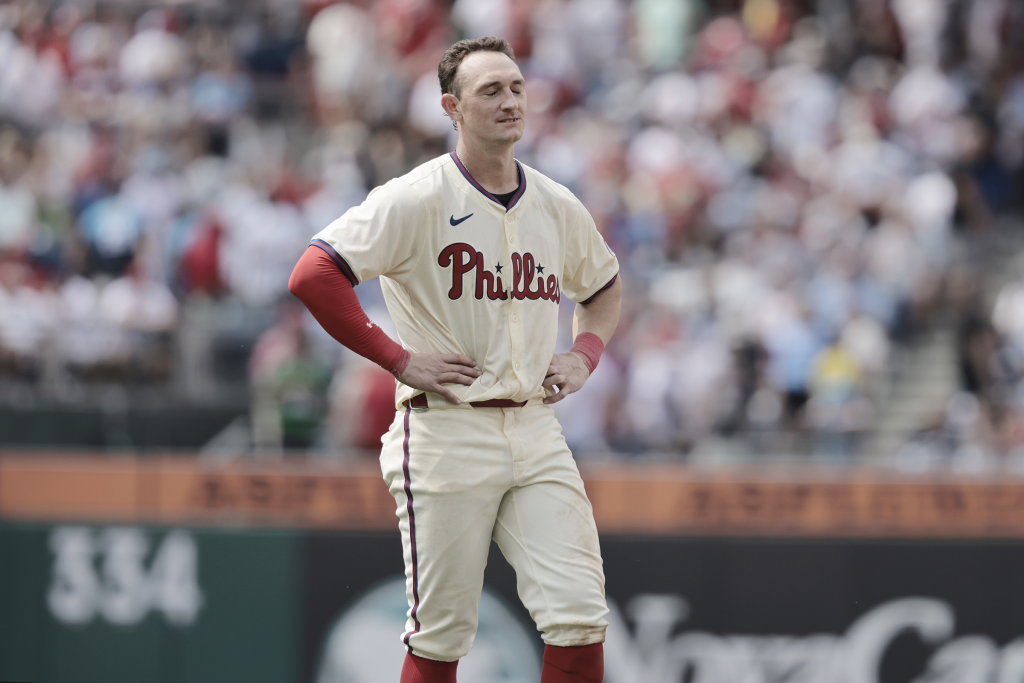
And then everything went wrong in the worst possible way.
Hays never got comfortable in Philadelphia because his body never let him. A hamstring strain wiped out half of August, and just as he tried to return, a dangerous kidney infection knocked him out for most of September. In total, he played only 22 regular-season games for the Phillies and posted a rough .672 OPS.
His playoff moment never came either. In the Phillies’ ill-fated postseason matchup with the Mets, Hays appeared in two of the four games and went hitless in four plate appearances.
And just like that, the story ended.
Even though the Phillies still controlled his rights through arbitration, they chose not to tender him a contract, making him a free agent. The decision wasn’t shocking — the season ended badly, and the front office wanted to move on.
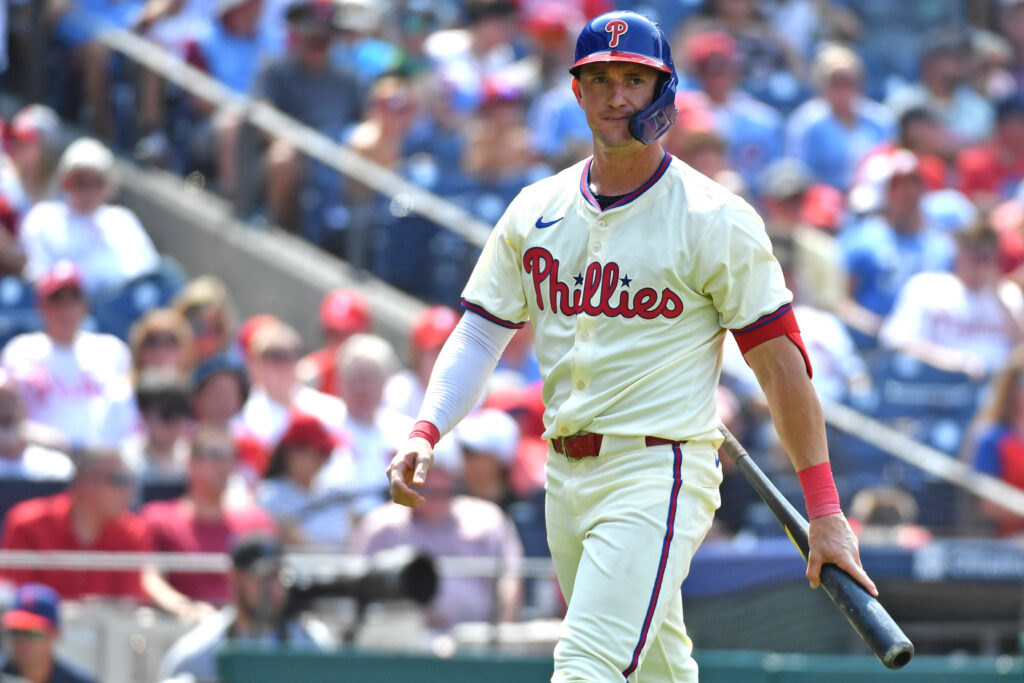
To fill the outfield void, Philadelphia signed veteran Max Kepler to a one-year, $10 million deal.
Hays signed with the Cincinnati Reds for one year and $5 million.
That’s when the quiet part became loud.
Kepler struggled, faded, and eventually lost his starting job in Philadelphia. Meanwhile, Hays made his former team look foolish by producing 36 extra-base hits and posting a strong .768 OPS across 103 games for Cincinnati.
Not superstar numbers.
But exactly the kind of solid production teams crave when they’re trying to survive a season without chaos.
Now Hays is a free agent again, and the timing feels… inconvenient for Philadelphia.
Because even after signing former World Series hero Adolis García, the Phillies’ outfield still looks thin. García is expected to play regularly in right field.
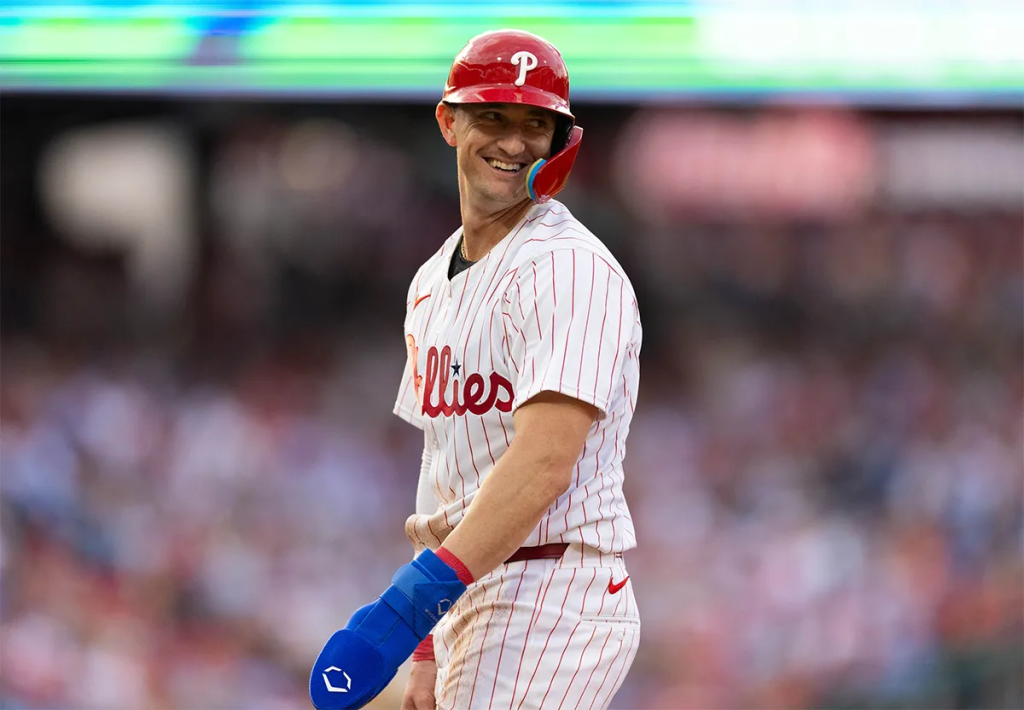
Rookie Justin Crawford is penciled in as the everyday center fielder. Left field is projected to be a platoon featuring Brandon Marsh and Otto Kemp.
And every part of that comes with uncertainty.
García is coming off back-to-back poor seasons.
Crawford has no MLB experience.
Marsh and Kemp have talent, but both come with flaws.
In other words: three positions, three question marks.
That’s not a championship outfield mix.
It’s a risk.
Austin Hays wouldn’t solve everything, but he would solve something the Phillies desperately need: stability.
A capable, experienced outfielder who can cover multiple roles, give you professional at-bats, and keep the lineup from feeling like it’s built on hope.
And the best part?
He probably won’t cost much.
Hays can likely be signed again on a one-year deal in the $5–10 million range — exactly the kind of contract that doesn’t cripple payroll, doesn’t demand commitment, and doesn’t block young players long-term.
It’s a second chance.
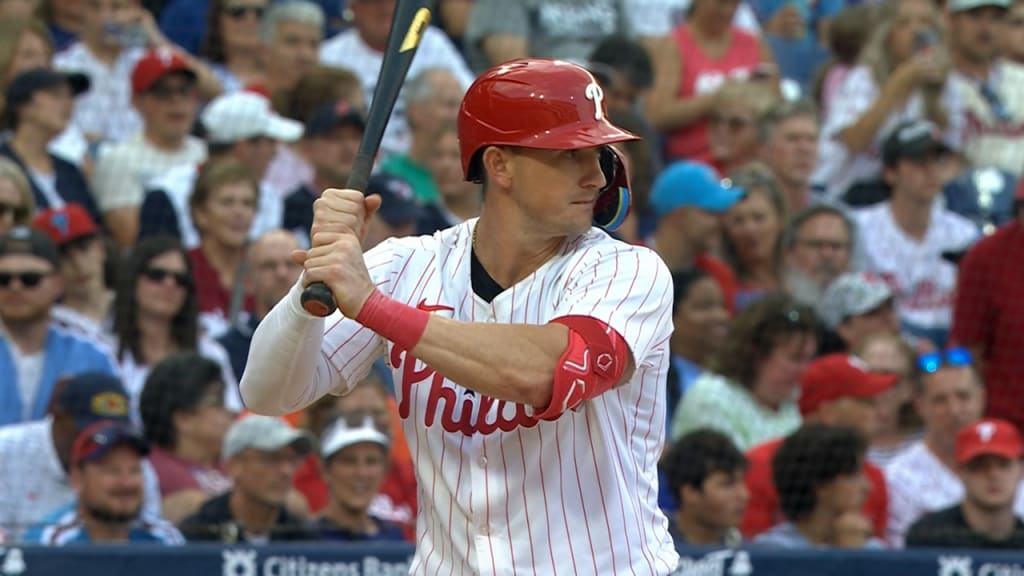
Not just for Hays to rewrite how Philadelphia remembers him…
but for the Phillies to fix a mistake without admitting it was one.
Because sometimes the smartest move isn’t chasing the next name.
Sometimes it’s realizing the player you need is the one you already let go…
before he made you regret it.
Leave a Reply