The most surprising part of José Ramírez’s extension wasn’t the money.
It was the direction.
In a league where stars usually wait, leverage, and test the market, Ramírez did the opposite. He asked first. He asked early. And he asked to stay.
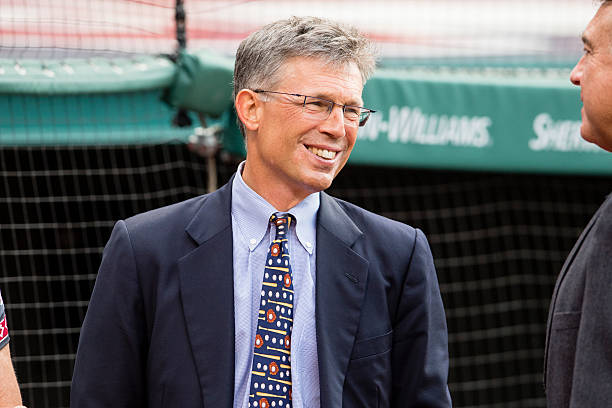
At his press conference, Ramírez confirmed what many didn’t expect: the push for a new deal came from him. Not from a looming opt-out. Not from a bidding war. From a decision he’d been carrying “for a long time.”
“For me, it’s important to be here,” he said, speaking through an interpreter. The words were simple. The implications weren’t.
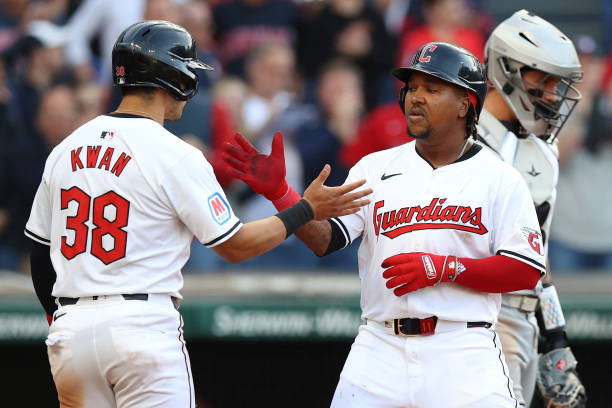
This wasn’t sentimentality. It was a choice that forced Cleveland to respond.
The Guardians knew the risks. Ramírez is 33. The new contract runs through his 40th birthday—territory most front offices approach with caution. Long-term deals for players past their mid-30s rarely age cleanly. Everyone in the room understood that.
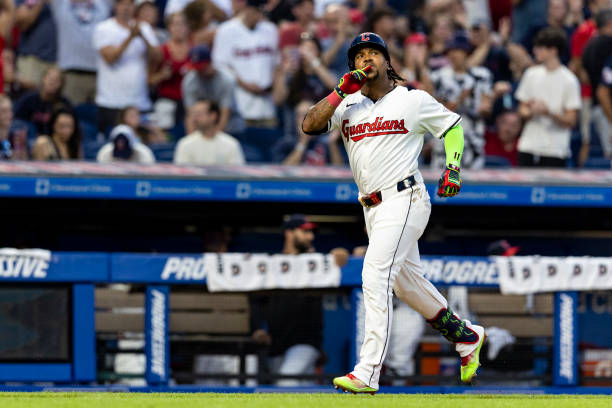
And yet, they moved forward.
Because there’s only one José Ramírez.
Seven All-Star selections. Seven playoff appearances. A case—quietly building—for the greatest player in Cleveland baseball history. He’s already second only to Bob Feller in All-Star nods. He’s been the constant through managers, eras, and expectations. When he says he wants to finish his career here, it isn’t a slogan. It’s continuity.
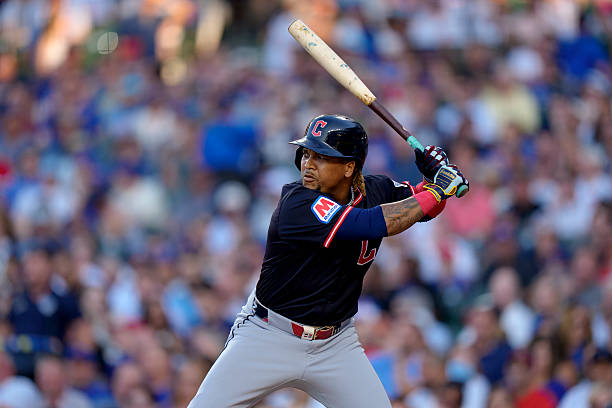
The structure of the deal tells the real story.
Seven years. $175 million. A flat $25 million annually—well below what the open market would likely bear for a player of his stature. And then the line that changes everything: $70 million deferred, paid beginning in 2036.
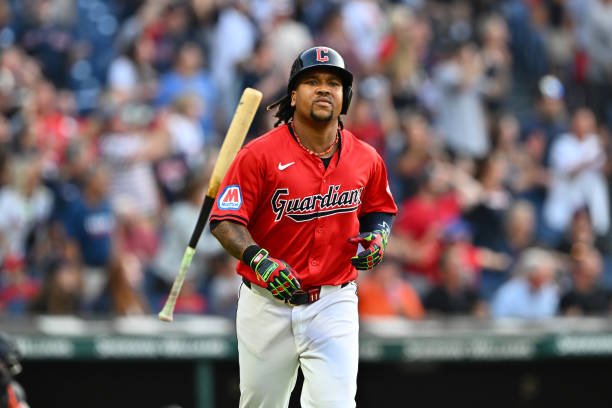
Deferred money is baseball’s newest quiet weapon. It buys flexibility now and promises certainty later. For the team, it creates room to build. For the player, it extends security beyond the playing days. For Cleveland, it’s a statement they’ve historically avoided making at this scale.
Ramírez didn’t have to agree to it.
He did anyway.
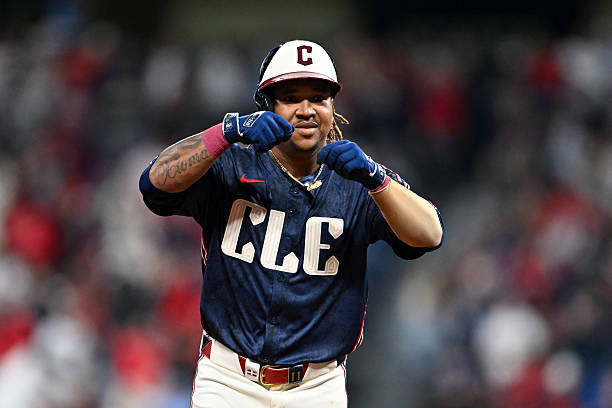
Asked about taking less than market value, he didn’t posture. He didn’t compare himself to others. “Whoever earns those contracts—congratulations,” he said. “For me, it’s my desire. My desire is to be here.”
That line matters because it reframes the conversation. This wasn’t a discount extracted by a small market. It was an investment chosen by a star who valued place over price.
The no-trade clause remains intact. That’s not symbolic. It’s protective. It ensures this isn’t a deal that gets celebrated today and undone tomorrow. Cleveland wanted Ramírez to feel respected. He wanted to feel anchored. Both sides acted accordingly.
There’s history underneath this moment that makes it heavier.
Ramírez signed with Cleveland in 2009 for $50,000—essentially the minimum for a Dominican prospect. Cleveland was his only offer. Thirteen years later, the same organization is the one he insists on finishing with. Same ownership. Same front office leadership. Stability isn’t a buzzword here; it’s lived experience.
Fans often talk about loyalty as if it’s a relic. Something nice to remember but impossible to expect. Ramírez didn’t ask anyone else to believe in it. He built it into the contract.
His agent summed it up bluntly online: statues, numbers retired, Cooperstown conversations—those are outcomes. Ramírez “marches to the beat of his own drum.”
The uncomfortable truth for the rest of the league is this: deals like this don’t happen unless a star decides they matter.
Cleveland didn’t just keep a player. They were chosen.
And in an era where leverage usually dictates everything, José Ramírez flipped the order—then made the franchise meet him there.
The only question left isn’t whether this deal will be remembered.
It’s whether anyone else will ever try to repeat it.
Leave a Reply