Carlos Correa did everything right.

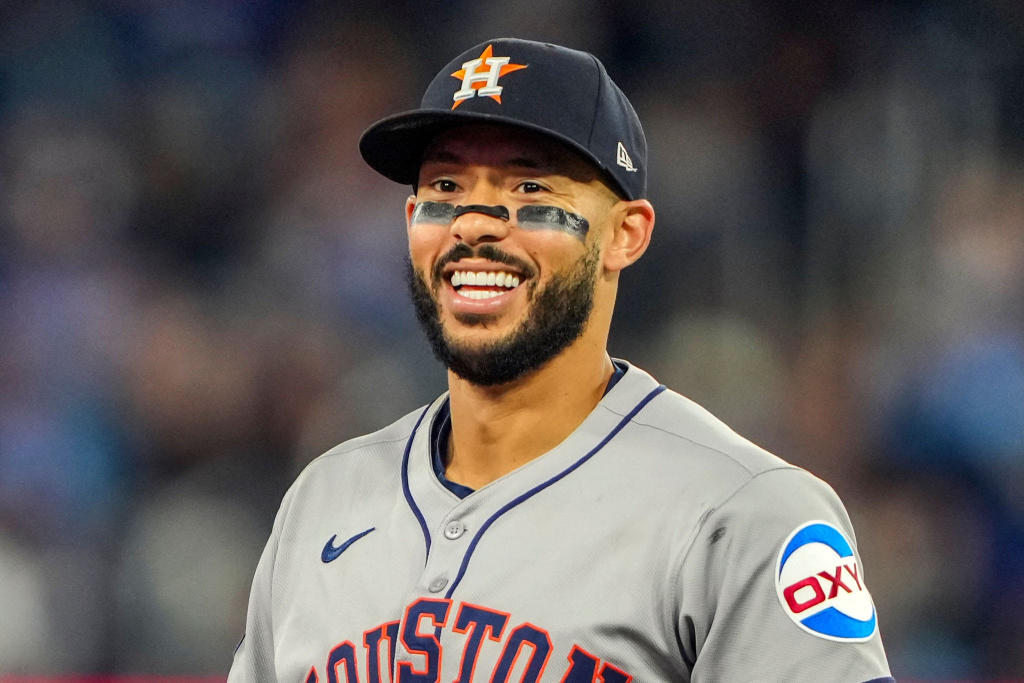
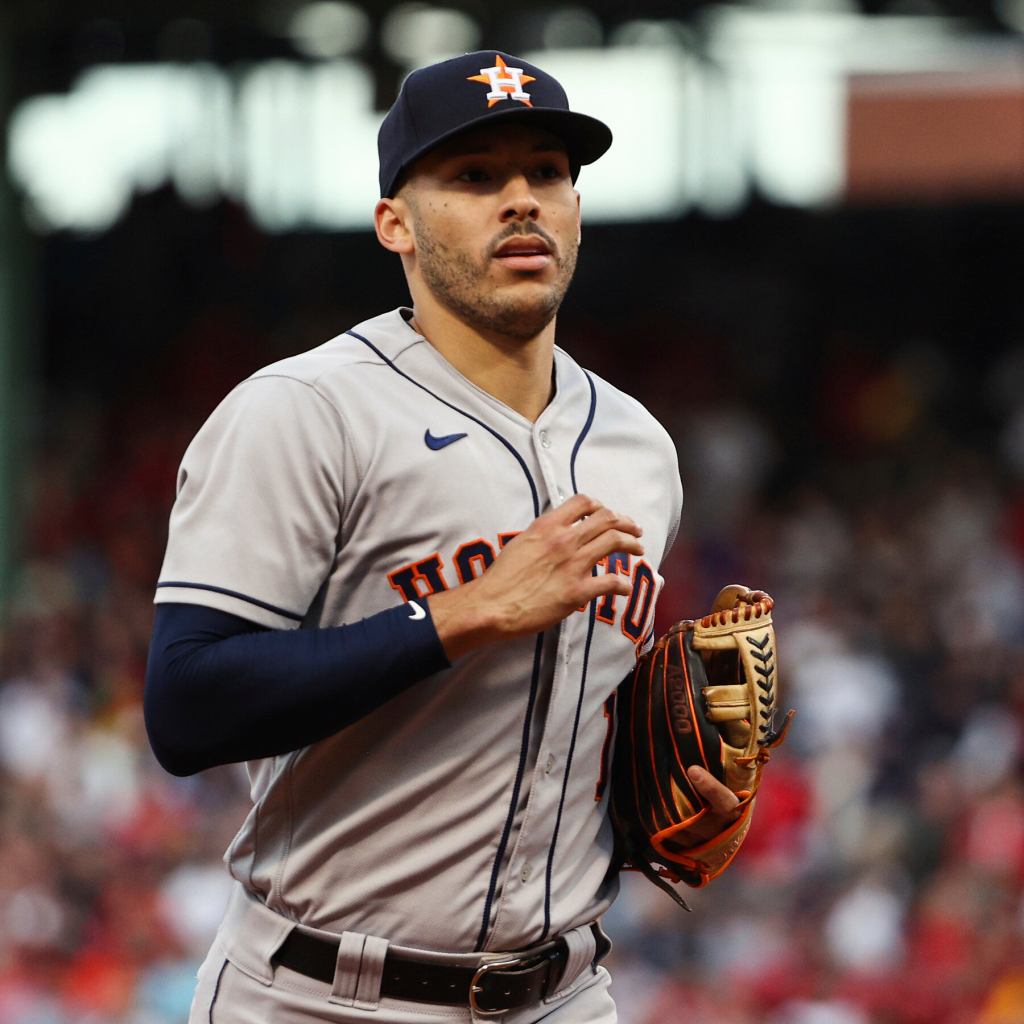
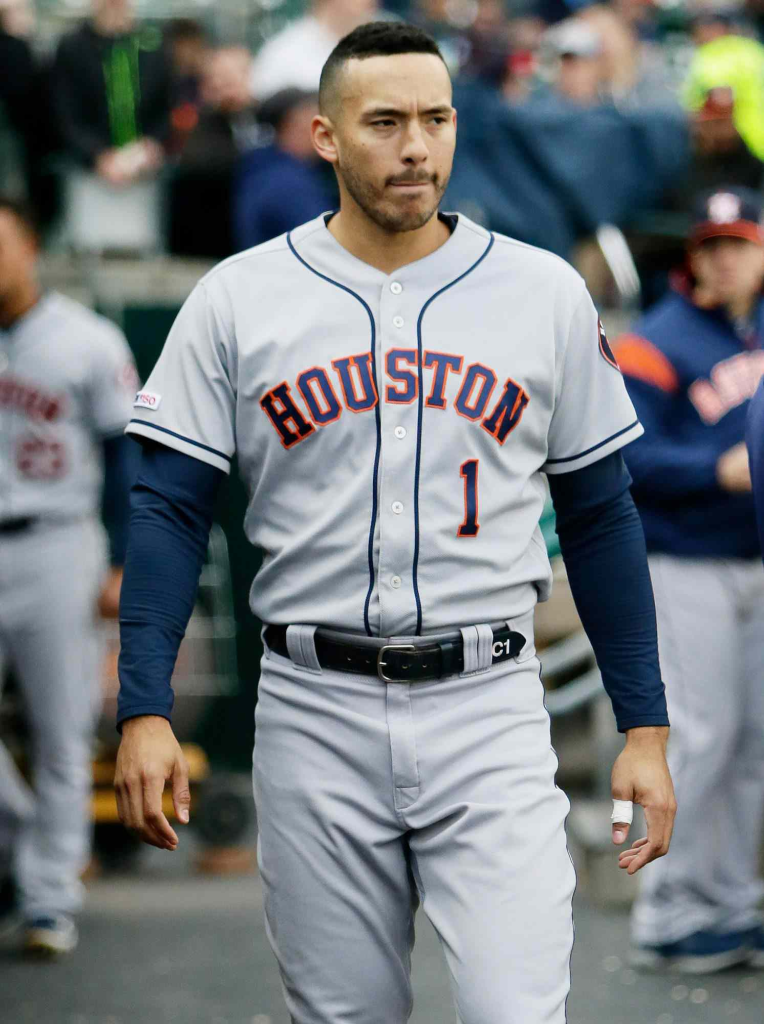
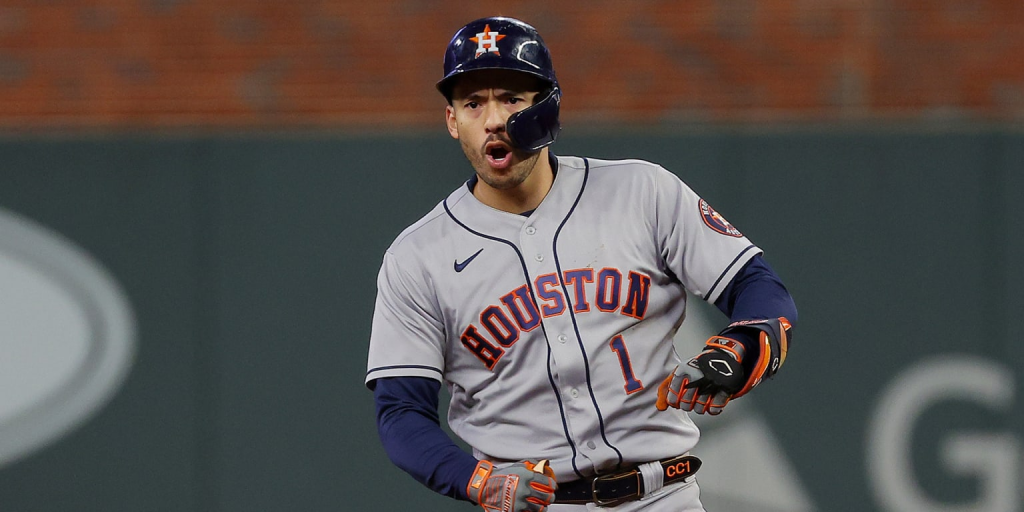
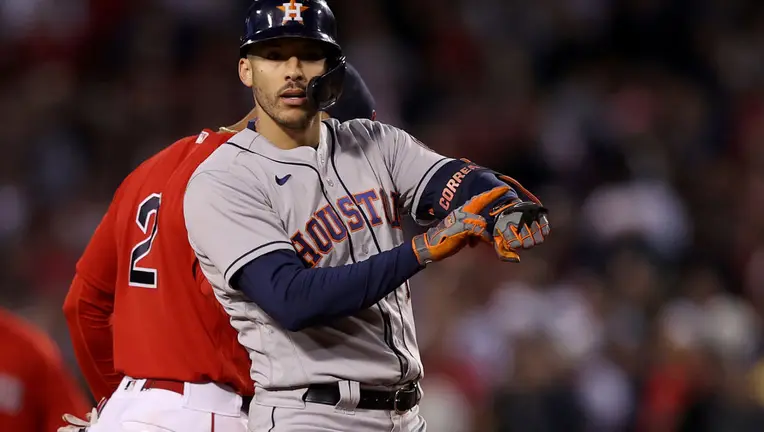
Carlos Correa will not play for Team Puerto Rico in the World Baseball Classic, he told The Athletic. Kenneth Richmond/Getty Images
He trained early.
He prepared deliberately.
He even began facing live pitching, shaping his offseason around a moment that mattered deeply to him.
And still, he won’t be there.
Despite his clear intention to represent Puerto Rico in the 2026 World Baseball Classic, Correa will miss the tournament—not because of injury, not because of form, but because the final decision quietly slipped out of his hands.
The obstacle wasn’t desire.
It was insurance.
After conversations with Houston Astros owner Jim Crane, Correa learned that his contract could not be insured for the World Baseball Classic.
Without that coverage, any injury sustained during the tournament would put his regular-season salary at risk. For a player set to earn $31 million next season, the margin for uncertainty vanished instantly.
“I’m definitely upset,” Correa said. “I’ve been preparing really hard this offseason… to be ready early so I can be ready for the WBC.”
Then came the part that changed everything.
“I also understand the business side of things,” he added. “That’s too big of a risk to take, to play with no insurance.”
Under MLB rules, all World Baseball Classic participants on 40-man rosters are evaluated by a jointly approved insurer.
If a player is deemed uninsurable—often due to injury history—their contract is no longer protected for time missed as a result of WBC injuries unless the team explicitly guarantees it.
That line is rarely crossed.
It wasn’t crossed here.
Correa’s injury history worked quietly against him, even as he insisted he was healthy and ready. The system didn’t argue his present condition. It judged his past.
This isn’t unprecedented. Ahead of the 2023 WBC, both Clayton Kershaw and Miguel Cabrera were ruled uninsurable.
Kershaw stayed home. Cabrera played anyway—likely because Detroit chose to absorb the risk for a franchise icon nearing the end.
Houston did not make that choice.
Crane’s involvement has been direct. League sources say the Astros owner has played a role in multiple participation decisions this cycle.
Jose Altuve, like Correa, will also miss the tournament. His absence, too, is tied to insurance complications.
The irony is hard to miss.
Both Correa and Altuve expressed their desire to play just days earlier. Both signed the paperwork indicating their willingness.
Both described representing their countries as an honor. And both found out—quietly—that willingness was not the deciding factor.
Astros bench coach and Venezuela WBC manager Omar López explained the broader issue during FanFest.
Players who spent time on the injured list last season, or carry what insurers define as “chronic” concerns, face stricter protocols. Approval takes longer. Sometimes it never comes.
For Altuve, this is especially jarring. He underwent a minor offseason foot procedure but called himself “100 percent healthy.”
He didn’t miss time on the injured list last season. Still, the memory of 2023 lingers—when a fractured thumb during the WBC sidelined him until mid-May.
That injury changed how Houston views risk.
Back then, Crane called the tournament “good for the game” and praised its global reach. He acknowledged the danger but trusted insurance to soften the blow.
Now, that safety net isn’t there.
The timing adds another layer of quiet disappointment. Houston’s Daikin Park will host pool play and a quarterfinal round in March.
If Puerto Rico advances, it would play in the same city where Correa built his career—and will likely finish it.
A full-circle moment was sitting right there.
And it will pass without him.
None of this comes with accusations. No one is acting in bad faith. This is process, policy, and caution colliding with pride and preparation.
Correa understands the logic.
He accepts the outcome.
But understanding doesn’t erase the loss.
Because when a player does everything asked of him—gets healthy, prepares early, commits publicly—and still hears “no,” it exposes a quiet truth about modern baseball.
Sometimes the biggest decisions aren’t made on the field.
They’re made in rooms the players never enter.
And this March, one of the game’s defining stars will watch the World Baseball Classic from the outside—not because he chose to, but because the system left him no other option.
Leave a Reply