The Houston Astros entered spring preparation believing their roster was balanced enough to withstand the grind of another competitive season.
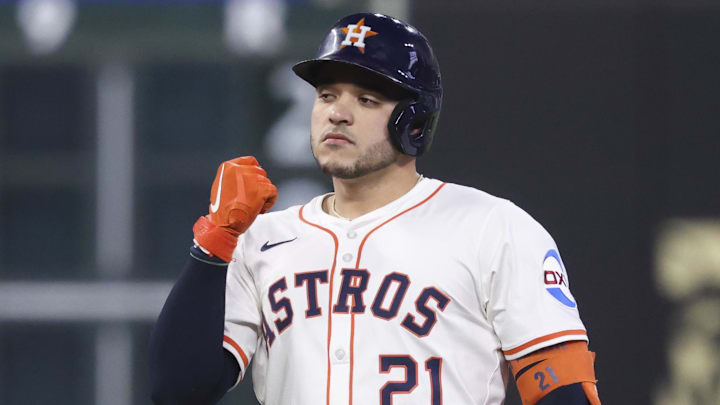
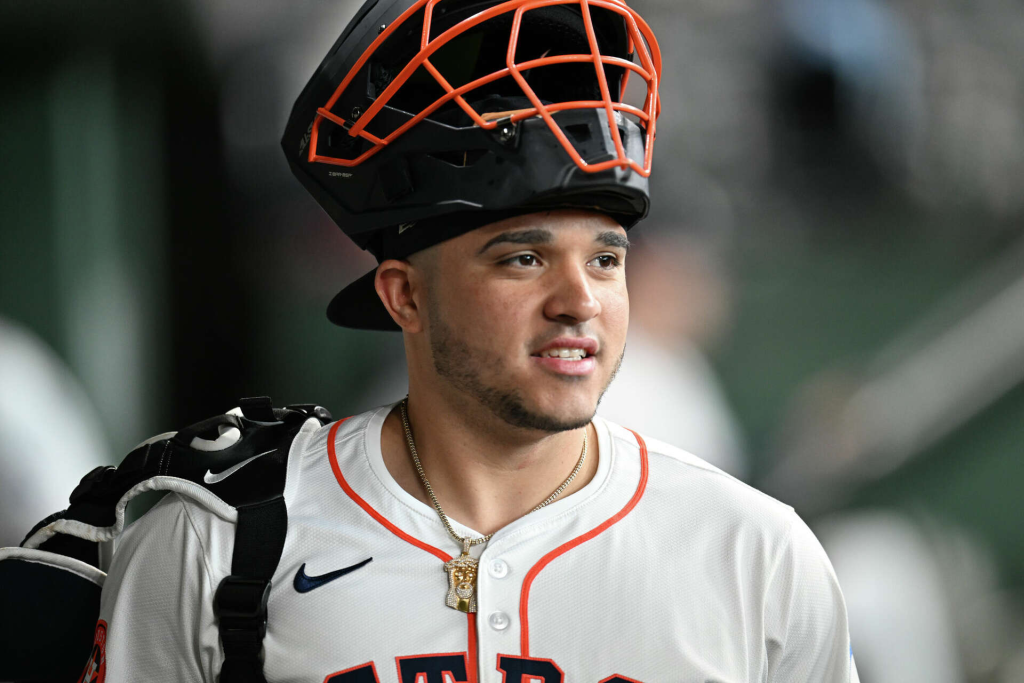
Houston Astros designated hitter Yainer Diaz | Troy Taormina-Imagn Images
On paper, there were few glaring weaknesses. The lineup had firepower. The rotation had stability. The bullpen carried experience.
But one update on Wednesday quietly shifted the conversation.
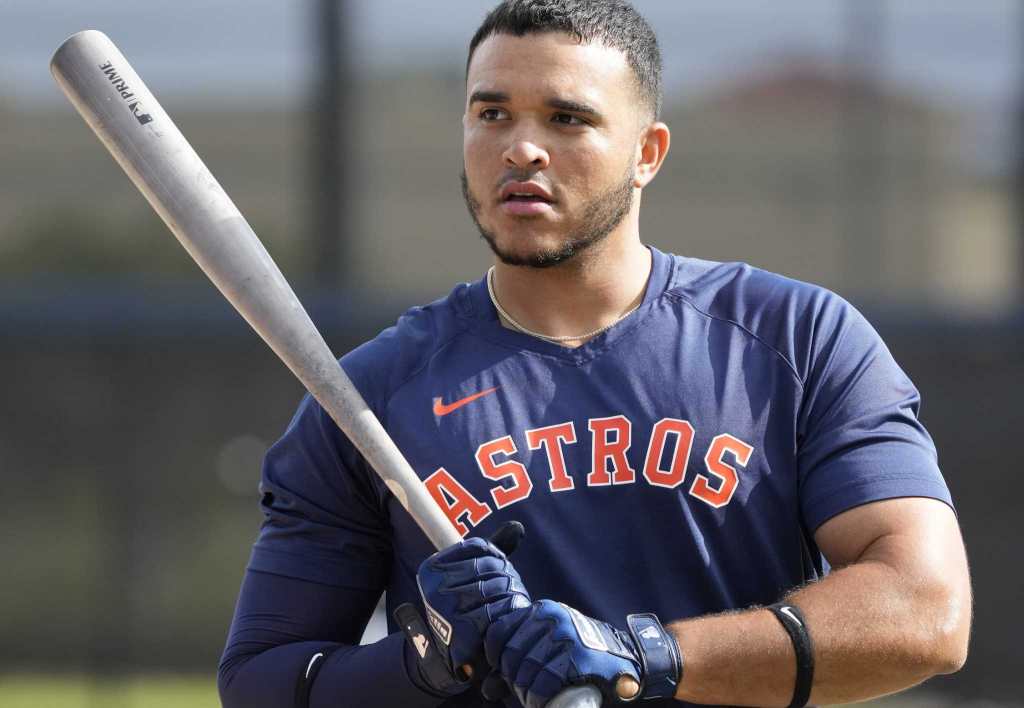
Manager Joe Espada revealed that starting catcher Yainer Diaz sprained his left foot while playing winter ball in December.
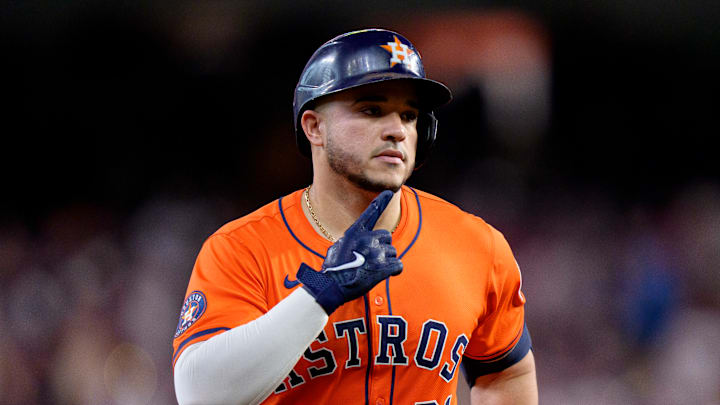
Diaz is still participating in baseball activities, but his running progression will lag behind others in camp. The wording sounded calm. Controlled. Measured.
Yet behind that restraint sits a much larger concern.
The Astros have almost no margin for error behind the plate.
Despite General Manager Dana Brown openly stating during the offseason that adding catching depth was a priority, Houston failed to secure another reliable backstop.
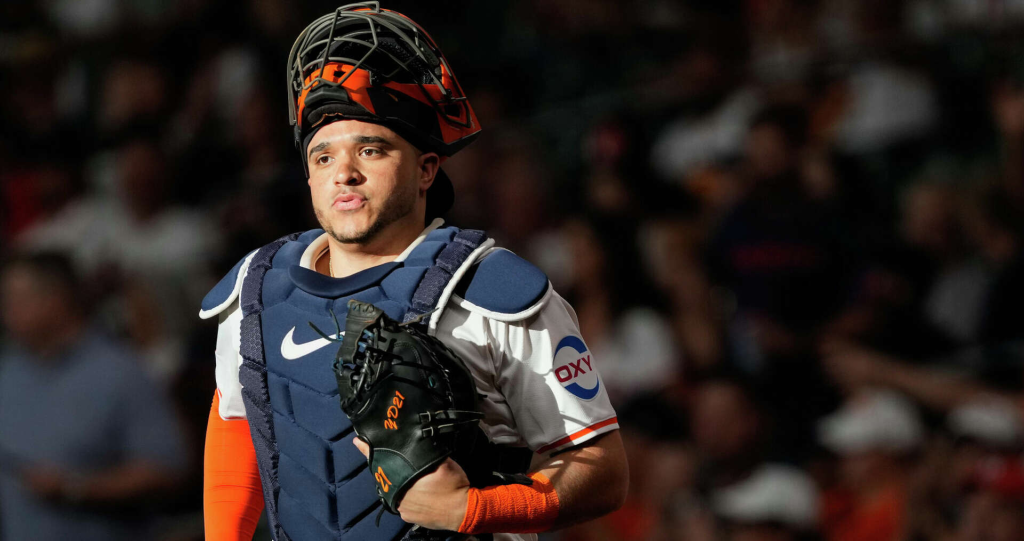
Victor Caratini signed with the Minnesota Twins. Andrew Knizner, James McCann, and Jonah Heim all found homes elsewhere. None commanded massive contracts. None were financially out of reach.
Now, Cesar Salazar stands as the only fully healthy catcher on the Astros’ 40-man roster.
That reality feels far more dangerous than the injury itself.
Yainer Diaz is expected to be ready. There’s no indication of a long-term absence. But catching is physically demanding. It requires mobility, explosiveness, and durability. A foot sprain for a position that depends heavily on lower-body stability is not something to dismiss lightly.
Even if Diaz avoids setbacks, the lack of insurance is glaring.
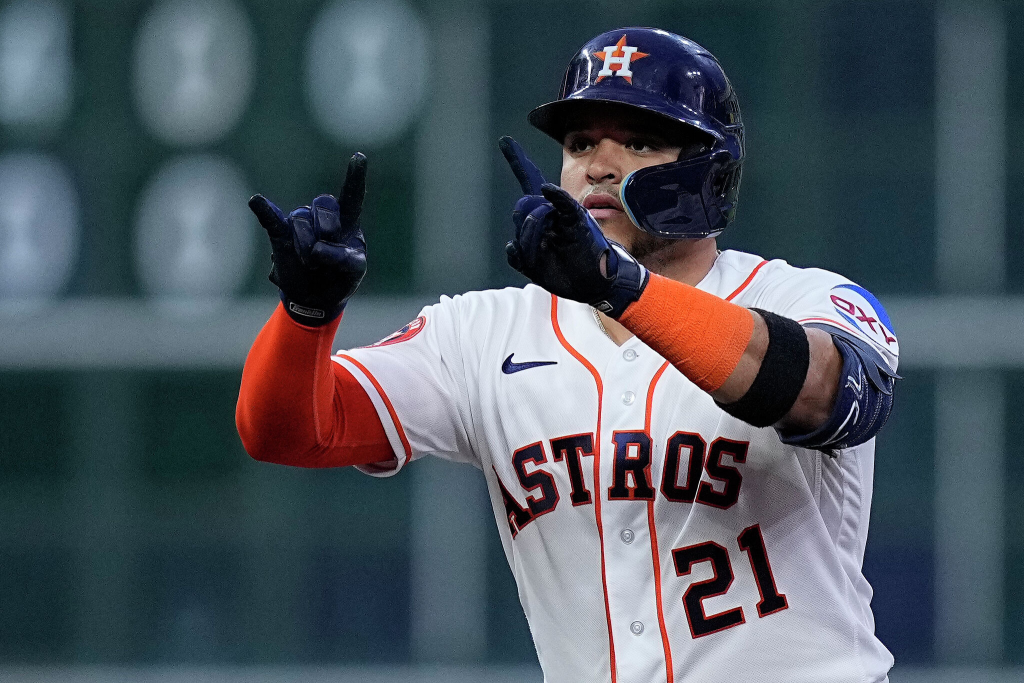
Houston is no longer operating from a position of comfort. It’s operating from urgency.
The free agent market is thin. Mitch Garver is the most recognizable remaining name, but he profiles more naturally as a designated hitter at this stage.
Christian Vazquez has been linked to the Astros for months, yet no deal has materialized. After a down season, the 35-year-old may not command more than a minor league contract — unless Houston’s desperation forces a different decision.
Elias Diaz, a former All-Star, remains unsigned as well. His offensive decline last season and a late-year oblique injury likely cooled interest.
Reports indicate he is still working out and catching bullpen sessions, suggesting he is healthy enough to contribute.
But this isn’t about upside anymore.
It’s about protection.
The Astros missed an opportunity earlier this winter to quietly reinforce their most fragile position. Now, what could have been a routine depth signing has evolved into a reactive scramble.
There’s also an uncomfortable layer to this situation that extends beyond the injury report.
Houston is built to compete now. The roster reflects urgency. The window is not theoretical. It’s active.
In competitive cycles like this, preventable weaknesses become amplified. A single injury at the wrong position can ripple through game strategy, pitcher performance, and clubhouse confidence.
If Diaz were to suffer a setback — even a minor one — Houston would be forced into emergency solutions. Trades at this stage are costly. Late free-agent deals often carry risk. And catchers capable of handling a major league staff are rarely available without compromise.
The Astros are not in crisis.
Not yet.
But the quiet tension surrounding this position suggests the front office may have underestimated the importance of redundancy at the game’s most physically punishing role.
Sometimes the most revealing moments of a season happen before it officially begins. Not in dramatic collapses. Not in losing streaks. But in the realization that a small oversight can grow into a structural vulnerability.
Yainer Diaz’s sprained foot may heal without issue.
The deeper question is whether Houston can afford to gamble that it will.
Because if this minor injury turns into something more, the Astros won’t just be reacting to bad luck.
They’ll be confronting a problem they had every chance to prevent.
Leave a Reply